

It's 2 a.m. in July, you've flipped the pillow to the cool side twice, and the sheets are damp again. The fix you're hoping for isn't a colder bedroom alone — it's a mattress that releases body heat instead of trapping it. The best mattresses for hot sleepers maximize airflow, minimize dense-foam contact, and use breathable materials like coils or latex plus a moisture-wicking cover. Consumer Reports notes that because foam tends to retain more heat, innerspring or hybrid models are most often recommended for hot sleepers.
Key takeaways
- Hybrids and latex sleep coolest because coil cores and open latex structures move air; dense memory foam conforms closely and holds heat.
- No mattress makes you "cold." Room temperature, bedding, and your own physiology share the load with mattress build.
- Cooling covers and phase-change materials have the strongest evidence; gel and copper infusions often deliver only short-lived surface coolness.
- In humid Alabama summers, breathability plus moisture management matters more than in dry climates, because sweat evaporates slower.
- Build a full sleep system — breathable mattress, cooling protector, moisture-wicking sheets, and a bedroom near 65–68°F.
What makes a mattress good for hot sleepers?
A cooling mattress maximizes airflow, reduces dense-foam body contact, and uses breathable materials like coils or latex plus a moisture-wicking cover to release trapped body heat. Four mechanisms do the real work: coil or airflow ventilation through the support core, less heat-trapping viscoelastic contact against your body, breathable materials like latex and natural fibers, and a phase-change or breathable cover that wicks moisture.
The honest caveat competitors skip: no mattress makes you "cold." Your bedroom temperature, your bedding, and your own physiology carry as much of the load as the bed does. A breathable build wins the night only when the room and sheets cooperate.
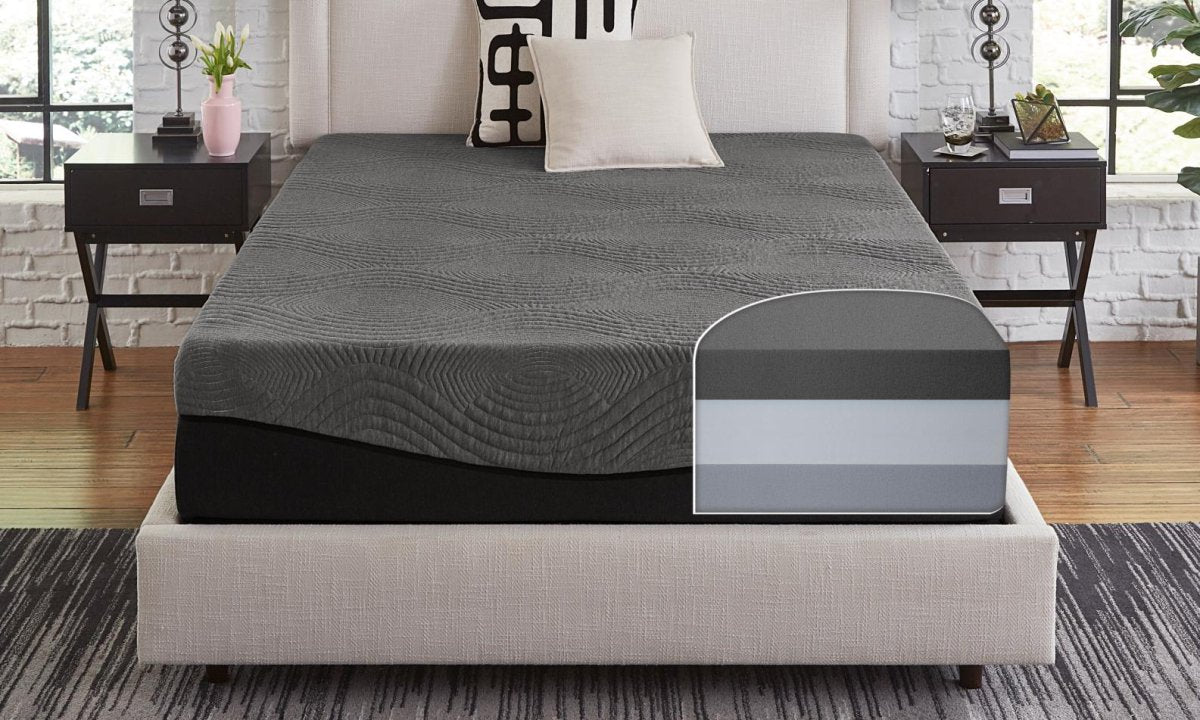
If a damp, heat-trapping bed is your current reality, a breathable coil build is the most direct fix — the Sandman 14" Cooling Hybrid pairs an airflow coil core with a moisture-wicking cover to move heat away instead of holding it. Browse the collection to compare builds and find your match.
Why do I sleep so hot at night?
You sleep hot when your body can't shed heat into the surrounding microclimate — your core temperature must drop to fall asleep, and a hot, humid room or heat-trapping bed blocks that drop. A 2012 narrative review in the Journal of Physiological Anthropology concluded the thermal environment is a key determinant of sleep, because thermoregulation is closely linked to sleep regulation.
Here's the mechanism. At sleep onset, your core body temperature naturally falls. To make that happen, your skin radiates heat into the thin layer of air between your body and the mattress — the sleep microclimate. When that pocket gets hot and humid, heat has nowhere to go, and you wake up to flip the pillow or kick off the covers.
A 2007 laboratory study in the same journal, testing 7 healthy young men, found that slowly lowering the thermal environment to delay minimum core body temperature produced statistically significant sleep improvements versus a constant warm condition. It's a small study, so treat it as suggestive rather than settled — but the direction is consistent across the literature.
Humidity is the Alabama villain. Sweat cools you only when it evaporates. In humid air, evaporation slows, so the same body heat feels worse here than in a dry climate. That's why quality, restorative sleep — which supports emotional health and daytime mood — gets harder to come by during a humid Southeast summer.
"The thermal environment is a key determinant of sleep because thermoregulation is closely linked to sleep regulation." — 2012 review, Journal of Physiological Anthropology
Do hybrid mattresses sleep cooler than memory foam?
Yes — hybrids generally sleep cooler because their coil cores circulate air beneath the comfort layers, while dense memory foam conforms closely and traps body heat. Consumer Reports states plainly that because foam tends to retain more heat, innerspring or hybrid models are most often recommended for hot sleepers.
The difference is structural. A hybrid puts a coil support core under its comfort layers, and air moves freely through that open spring system. As Sit 'n Sleep explains, "hybrids have coil cores that allow air to circulate beneath the comfort layers," and the retailer notes that "hybrid mattresses and latex mattresses generally sleep the coolest."
Where each type lands on heat
- Memory foam (viscoelastic): warmest. It softens with body heat and hugs your shape, which feels great for pressure relief but reduces airflow and traps warmth.
- Latex: cool and breathable. Its open-cell, pinhole structure lets air pass and it contours less than viscoelastic foam, so less of your body is wrapped in heat.
- Hybrid: cool by design. Coils ventilate the core, and the comfort layer choice (gel foam, latex, or fiber) tunes the feel on top.
If you want the deeper construction breakdown, our mattress buying essentials guide walks through how layers stack up. For a firmer, supportive coil build that still ventilates well, the MLILY 13" ChiroPro hybrid combines a coil core with a structured feel for back and combination sleepers who run warm.
Bottom line: if temperature is your top complaint, start with a hybrid or latex build and treat dense all-foam as the warmest option on the shelf.

How do mattress types compare for cooling, comfort, and price?
Latex and hybrids sleep coolest; all-foam contours best but traps heat. Each type trades airflow against pressure relief, motion isolation, durability, and price. Use the row that matches your priority.
| Mattress type | Cooling mechanism | Pressure relief | Motion isolation | Price tier | Best for |
|---|---|---|---|---|---|
| All-foam (memory) | Lowest — dense foam traps heat | Excellent, close contour | Excellent | $–$$ | Couples wanting quiet, sleepers who run cool |
| Gel / open-cell foam | Moderate — delays heat buildup, often short-lived | Very good | Very good | $–$$ | Foam fans who want a bit more breathability |
| Hybrid (coil core) | High — coils circulate air through the core | Good to very good | Good | $$–$$$ | Most hot sleepers, couples, combo sleepers |
| Latex | High — open-cell, breathable, less contour | Good, buoyant feel | Moderate | $$$ | Hot sleepers who like a firmer, responsive surface |
| Natural / eco hybrid | High — natural latex + coils + breathable fibers | Good | Moderate | $$$ | Eco-conscious buyers who run warm |
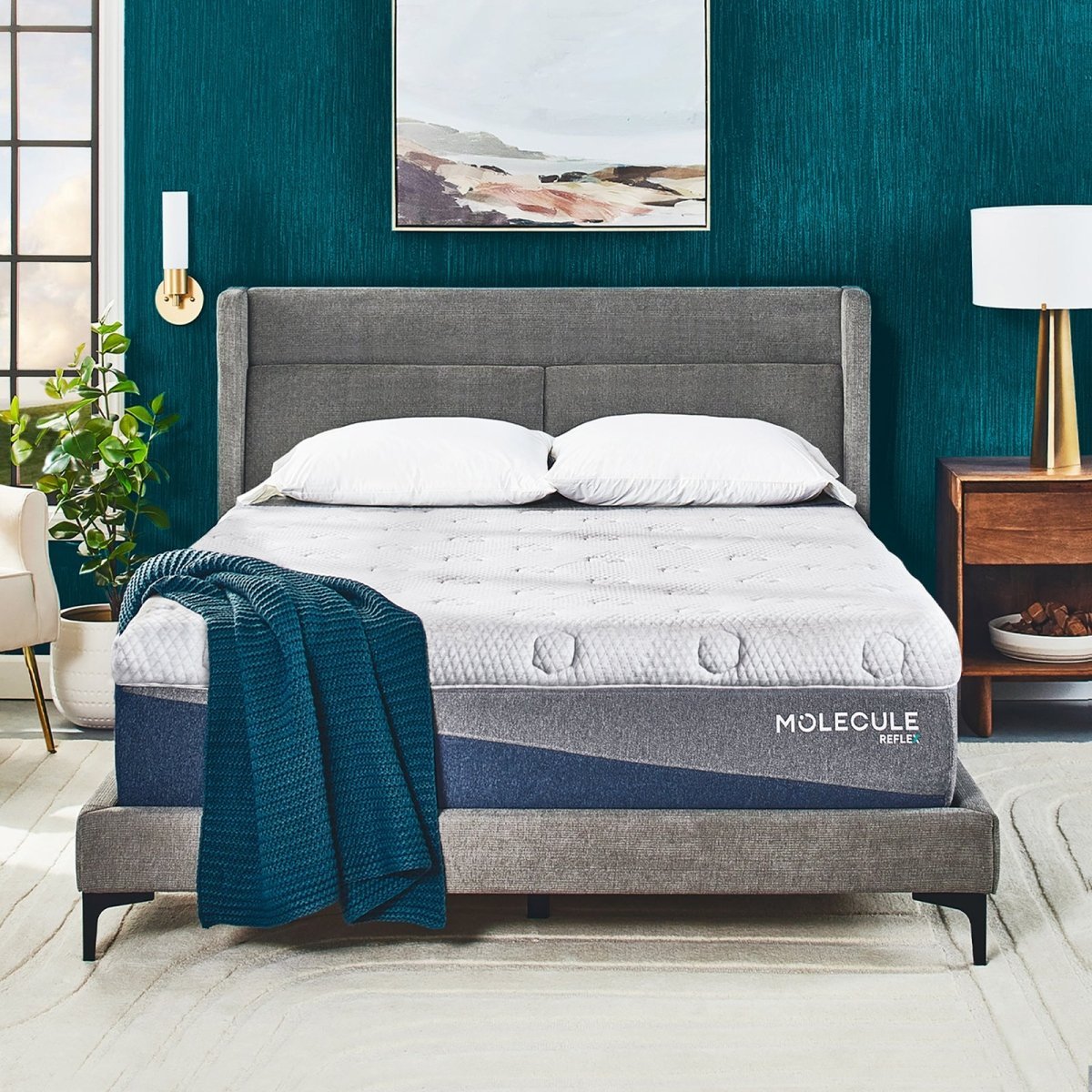
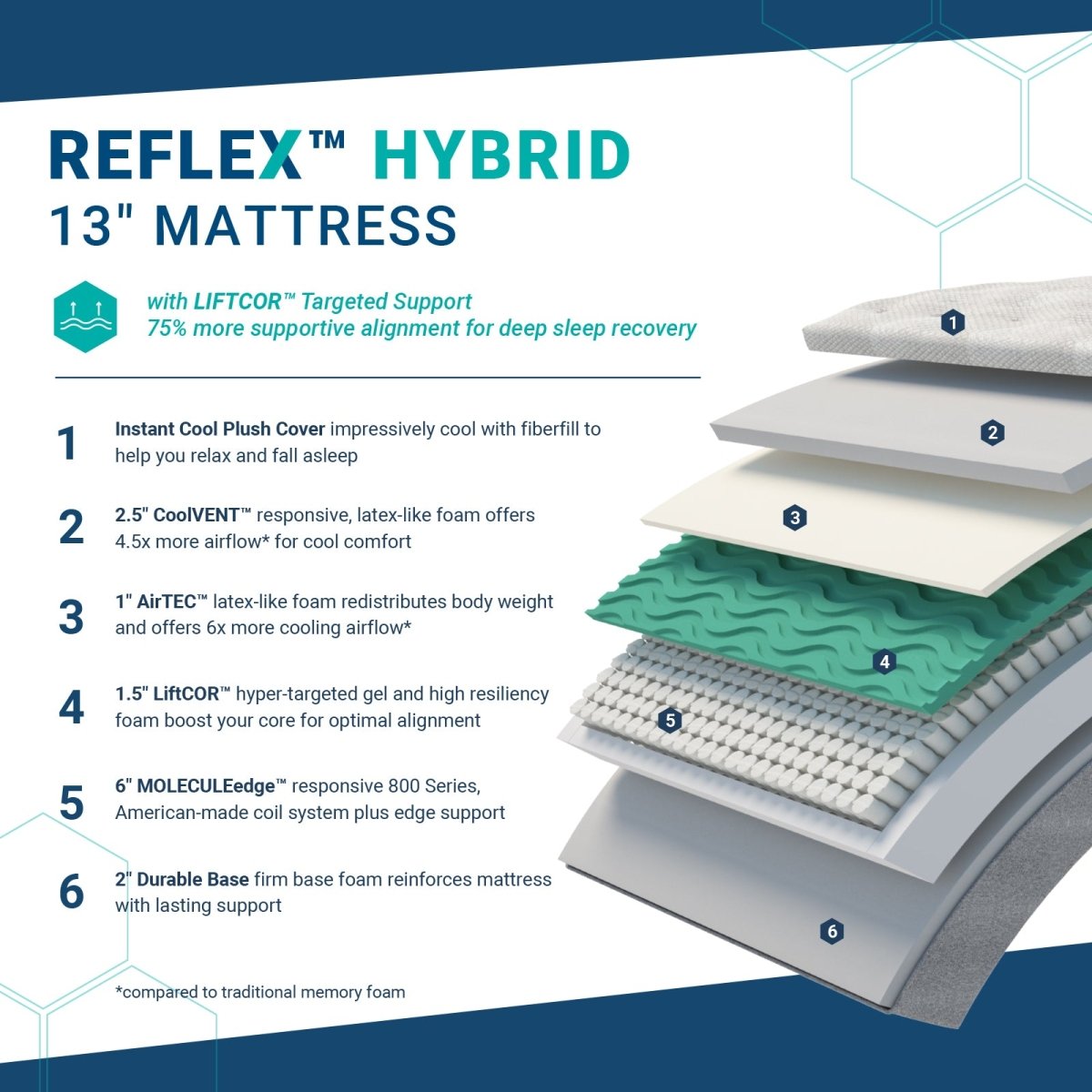
Want to feel a hybrid against latex before deciding? The curated Molecule collection is a good place to compare breathable foam builds, and our team can line up coil and latex options side by side.
Are cooling gels, copper, and phase-change covers actually effective?
Cooling covers and phase-change materials genuinely improve initial surface feel, but gels and copper infusions often deliver only short-lived coolness and won't fix poor core ventilation or a hot room. Here's how the features rank by evidence strength.
- Phase-change and breathable covers (strongest support): these draw heat off the surface and wick moisture. The most direct evidence for active temperature control comes from a 2024 study in Biomedicines of 54 participants who slept with a temperature-controlled mattress cover across more than 300 home sleep-test nights, which reported improved sleep and cardiovascular recovery. It's a small, preliminary study, so read it as promising rather than proof.
- Moisture management (strong, practical): wicking covers and fibers move sweat away so evaporation can do its job — especially valuable in humid air.
- Gel infusions (limited): gel beads can feel cool to the touch at first, but once the foam and gel reach body temperature, the effect fades. Useful for the first-touch feel, not a core-ventilation fix.
- Copper and graphite (limited): these conduct heat away marginally, but the effect is small and not standardized across brands.
One honest flag: retailer "cooling test" claims aren't standardized — every site uses its own proprietary method, so cross-brand temperature numbers aren't directly comparable. Treat them as discovery cues, not proof.
A breathable cover is one of the cheapest upgrades you can add to any bed. A DreamFit Chill mattress protector adds a moisture-wicking, cool-touch surface without changing the mattress you already like.
Which cooling mattress is right for my sleeper type?
Budget families want a breathable hybrid; couples need coil airflow plus motion isolation; side sleepers need contouring without heat-trapping; eco buyers fit latex or natural builds; night-sweat sufferers need moisture-wicking covers. Match the mechanism to your situation below.
- Budget-conscious families: a breathable hybrid gives the best cooling-per-dollar. The Sandman 14" Cooling Hybrid ventilates through its coil core, and the firmer MLILY 13" ChiroPro suits households that want a supportive, durable build.
- Couples: you want coil airflow and reduced partner disturbance. A hybrid with a foam comfort layer balances both — the coils ventilate while the comfort layer dampens motion better than bare springs.
- Side sleepers: you need shoulder and hip contouring without sinking into a heat pocket. Choose a medium hybrid with a breathable comfort layer so you get pressure relief plus airflow.
- Eco-conscious buyers: natural latex and breathable fibers sleep cool and meet sustainability goals. The Sandman 11" NatureFlex Hybrid leans on natural, breathable materials over a coil core.
- Night-sweat sufferers: prioritize the surface that touches you. Pair any breathable hybrid with a moisture-wicking cooling cover and wicking sheets so sweat moves away instead of pooling.
Note that a small 2016 study in BioMedical Engineering OnLine comparing latex and polyurethane mattresses across 20 participants found different body-contact pressure profiles by posture — a reminder that feel, not just temperature, varies by your sleep position and body.
The fastest way to land on the right firmness is to feel coil airflow and latex side by side. Schedule a personalized in-store appointment in Huntsville to compare them in person — or if you're shopping remotely, shop online with free shipping. Still undecided on feel? Our quick firmness quiz narrows it down.
Who should NOT buy a cooling mattress?
If you sleep cold, prize deep contouring and motion isolation above all, or shop strictly on price, a cooling-focused build may trade away the comfort you actually want. Honesty here protects your purchase.
- Skip a firm latex or coil surface if you love that deep "hug" feel — breathable beds are firmer and more responsive, and they won't cradle you the way memory foam does.
- Skip a coil hybrid if silent, total motion isolation is your top priority and you sleep cool already — dense all-foam still wins on quiet.
- Weigh price against value if budget is strict — the coolest-feeling bed isn't automatically the best value once you factor in warranty, durability, and return policy. Our buying essentials guide covers how to weigh those trade-offs.
The honest line: no mattress alone fixes a hot, humid room. If your bedroom sits at 75°F with high humidity, even the most breathable bed is working uphill. The mattress is one lever — the sleep system below is the rest.
What certifications should eco-conscious buyers look for?
Look for CertiPUR-US, GOLS, GOTS, and OEKO-TEX — each verifies a different safety or sustainability claim, so "eco" on a label means little until you know which standard backs it.
- CertiPUR-US: certifies foam content and emissions — made without certain chemicals and tested for low VOC emissions.
- GOLS (Global Organic Latex Standard): verifies certified organic latex content.
- GOTS (Global Organic Textile Standard): covers organic textiles like cotton in covers and fibers.
- OEKO-TEX: tests finished textiles for harmful substances.
On safety standards, U.S. mattresses must meet federal flammability requirements enforced by the Consumer Product Safety Commission (CPSC), and material test methods are published by ASTM International. These govern safety, not coolness — but they matter for the eco- and health-conscious shopper vetting what's inside the bed.
The trade-off: certified natural latex and organic materials usually cost more and feel firmer than budget foam. For more on why those materials are worth weighing, see our guide on why eco-friendly mattresses are better for you and the planet, then browse the Nest & Wild collection for natural builds.
How do I build a cooler sleep system beyond the mattress?
Pair a breathable mattress with a cooling protector, moisture-wicking sheets, an adjustable base for airflow and elevation, and a bedroom set near 65–68°F. The mattress is one layer; the whole system is what keeps you cool through the night.
- Add a cooling, breathable protector. A wicking protector pulls moisture off the surface without sealing in heat. The DreamFit Cooling mattress protector adds a cool-touch, moisture-managing layer over any bed.
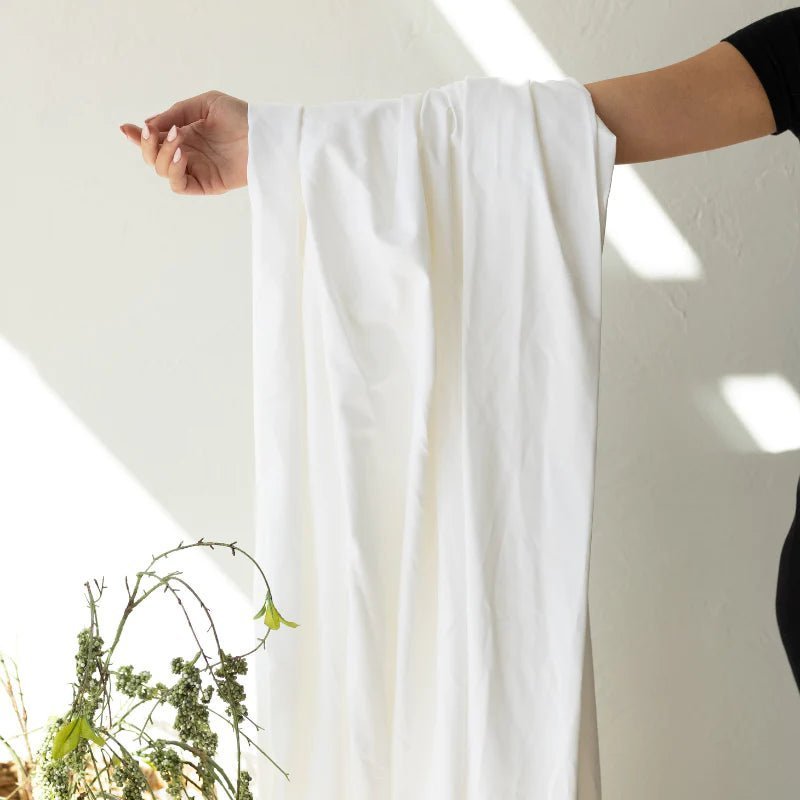
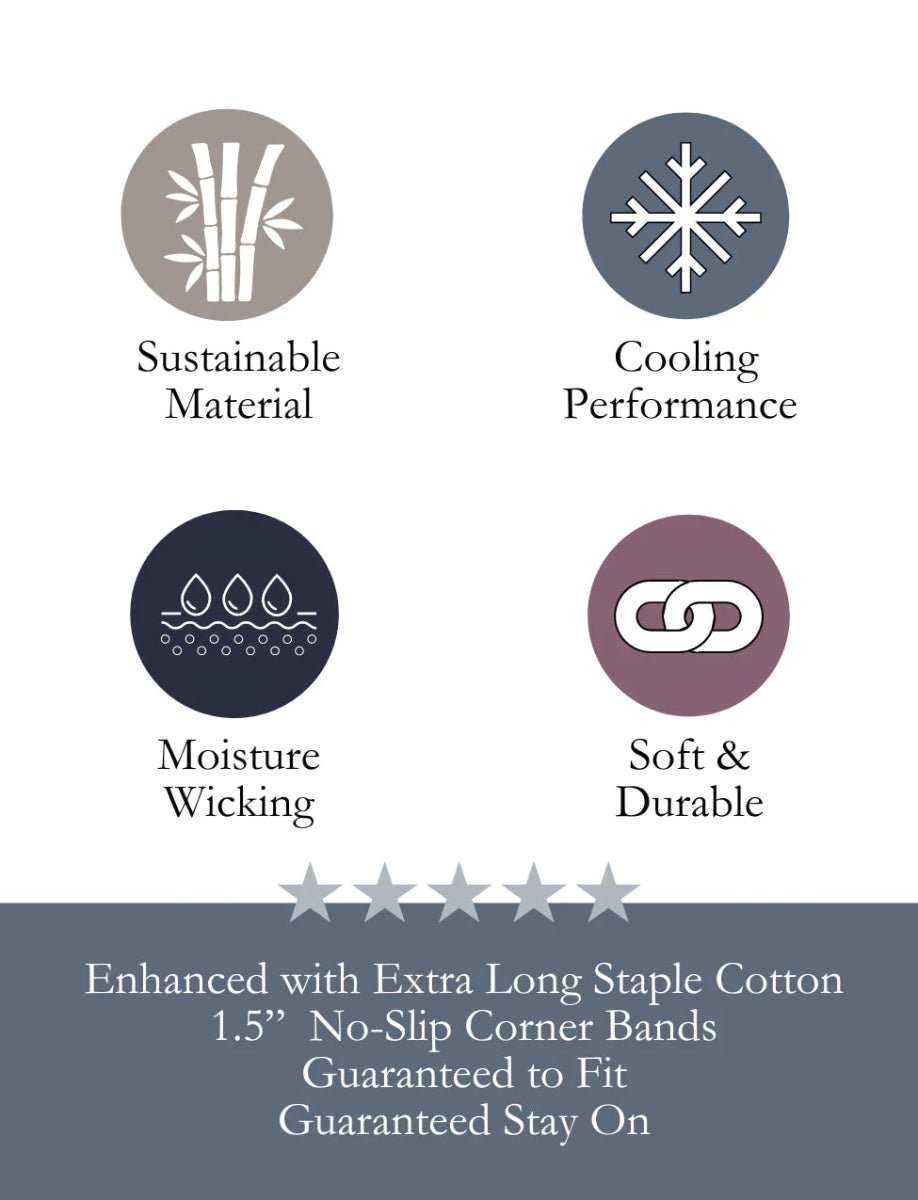
- Switch to moisture-wicking sheets. A 2024 systematic review of bedding fibers found that linen bedsheets improved sleep quality under warm conditions in young adults, while wool helped sleep onset. Breathable long-staple cotton, linen, and wool beat heat-trapping synthetics — the DreamFit Cooling Egyptian Cotton sheets are an easy upgrade.
- Elevate with an adjustable base. Raising the head and torso opens airflow around your body and can ease breathing. An adjustable base like the SmartFlex SF300 lets you tune elevation for better air circulation.
- Set the room cool and manage humidity. A 2021 trial in Sustainability of 20 participants in a hot-humid climate found that cool bed linen improved thermal comfort and sleep quality while allowing a 3°C higher air-conditioner setting — better sleep and lower cooling cost. A 2024 review on passive cooling reported that one strategy gave a cooling effect about three times greater than using fans alone.
One free tip that costs nothing: drop your thermostat toward the mid-60s before bed and run a dehumidifier in humid weather. The cooler, drier microclimate does more for your sleep than any single product.
Are cooling mattresses worth it in Alabama's humid summers?
Yes — in Huntsville, Madison, Athens, and Decatur summers, humidity blocks heat release, so a breathable build plus a smart sleep setup makes a real, nightly difference. Humid air slows sweat evaporation, which is exactly how your body sheds heat at night, so the same warmth feels worse here than in a dry climate.
That's why the airflow-and-moisture combination matters more locally than the marketing buzzwords. A coil or latex build moves heat through the core, a wicking cover handles the sweat, and a cool, dehumidified room lets evaporation finish the job. The 2021 Sustainability trial's finding — that cool linen let sleepers run the AC 3°C warmer with no comfort loss — is doubly useful in our climate, where cooling bills climb fast.
If humid Southeast nights are wrecking your sleep, the most effective move is to feel a breathable build in person. Find your nearest Huntsville-area showroom and test coil airflow and latex against your own body.
Frequently asked questions about cooling mattresses
What mattress is best for night sweats?
A breathable hybrid or latex mattress paired with a moisture-wicking cover handles night sweats best, because the priority is moving sweat away and letting it evaporate. Add a cooling protector and wicking sheets so the surface touching your skin stays dry. Keep the bedroom cool and run a dehumidifier in humid weather for the biggest improvement.
Is latex better than memory foam for hot sleepers?
Generally yes. Latex is more breathable and contours less than viscoelastic memory foam, so less of your body is wrapped in a heat-trapping hug. Sit 'n Sleep notes hybrids and latex "generally sleep the coolest," while Consumer Reports finds foam tends to retain more heat. If you love a deep hug, though, memory foam may still feel better despite running warmer.
Which cooling mattress is best for couples?
A hybrid with a foam comfort layer suits most couples, because the coil core ventilates while the comfort layer dampens partner motion. Pure foam isolates motion best but sleeps warm; bare innerspring transfers more movement. A hybrid splits the difference, giving you airflow plus reasonable motion control on one shared bed.
Which cooling mattress is best for side sleepers?
Side sleepers do best on a medium hybrid with a breathable comfort layer, because you need shoulder and hip contouring without sinking into a heat pocket. The contour relieves pressure points while the coil core keeps air moving underneath, so you get cushioning and cooling together rather than one at the expense of the other.
What is the best budget cooling mattress?
A breathable coil hybrid gives the most cooling per dollar for budget shoppers, because coils ventilate without the price of premium natural latex. Weigh cooling against warranty, durability, and return policy — the coolest-feeling bed isn't always the best long-term value. A cooling protector and wicking sheets are inexpensive add-ons that stretch any budget build further.
Do cooling mattresses make you feel cold?
No. Cooling mattresses don't create a cold surface; they release trapped body heat through airflow, breathable materials, and wicking covers. The goal is a neutral, comfortable microclimate, not a chilled bed. If you want active chill, a temperature-controlled cover is the only thing that lowers surface temperature on demand — the mattress itself simply stops holding heat.
Your cooler summer starts with the right build
Side sleeper who runs warm: choose a medium hybrid with a breathable comfort layer. Couple sharing a bed: a coil hybrid with a foam top balances airflow and motion control. Eco-conscious buyer: natural latex over a coil core, GOLS- or GOTS-certified. Night-sweat sufferer: any breathable hybrid plus a cooling protector and wicking sheets. Strict budget: a ventilated coil hybrid, then add the cooling layers over time.
Ready to sleep cooler this summer? Schedule a personalized in-store appointment in Huntsville to feel coil airflow and breathable latex for yourself — or shop the Sandman Cooling Hybrid online with free shipping. Financing is available from $29/mo at 0% APR, an at-home trial period (confirm current terms) lets you test the cooling, and every mattress you buy helps us donate one to a local family in need. Ask our sleep team about financing options, or find your firmness in our quick quiz if you're still deciding.


Leave a comment
All comments are moderated before being published.
This site is protected by hCaptcha and the hCaptcha Privacy Policy and Terms of Service apply.