
The right sheets aren't the ones with the highest thread count — they're the ones that fit your mattress and match how hot you sleep. Choose them in three moves: match pocket depth to your mattress height, match material to your sleep temperature, and pick a weave for the feel you want. A 2024 systematic review in PMC even found linen bedsheets promoted better sleep than cotton in warm conditions. Here's the full decision framework.
Key takeaways
- Order matters: fit your mattress first (pocket depth), then choose a breathable material for your sleep temperature, then pick a weave for feel.
- Thread count is a near-myth. Tested products span 152–680 threads, and counts above 400 often use finer, less durable yarns.
- Best cooling materials: 100% cotton percale, linen, bamboo viscose, Tencel, and silk — all breathe and wick better than polyester blends.
- Percale sleeps cool; sateen sleeps soft. Hot sleepers favor crisp percale; cool sleepers prefer silky sateen.
- "100% cotton" beats "cotton-rich," which is a marketing term for a blend under 100% cotton.
What's the fastest way to choose sheets that fit and sleep cool?
Match three things in order: pocket depth to your mattress height, material to how hot you sleep, and weave to the feel you want — and treat thread count as a near-myth. That sequence solves the two failures shoppers actually have: a fitted sheet that pops off the corners, and a set that traps heat.
Most "best sheets" lists hand you a product ranking. What you need is a decision process, because the right answer changes with your mattress build and your body. A foam mattress and a hot sleeper point you toward crisp percale; a tall pillow-top changes which pocket depth even works.
Start where you'll apply this: our curated bedding collection in 100% long-staple cotton gives you a breathable, true-cotton baseline to compare percale and sateen against as you read.
How do I measure my mattress and match pocket depth?
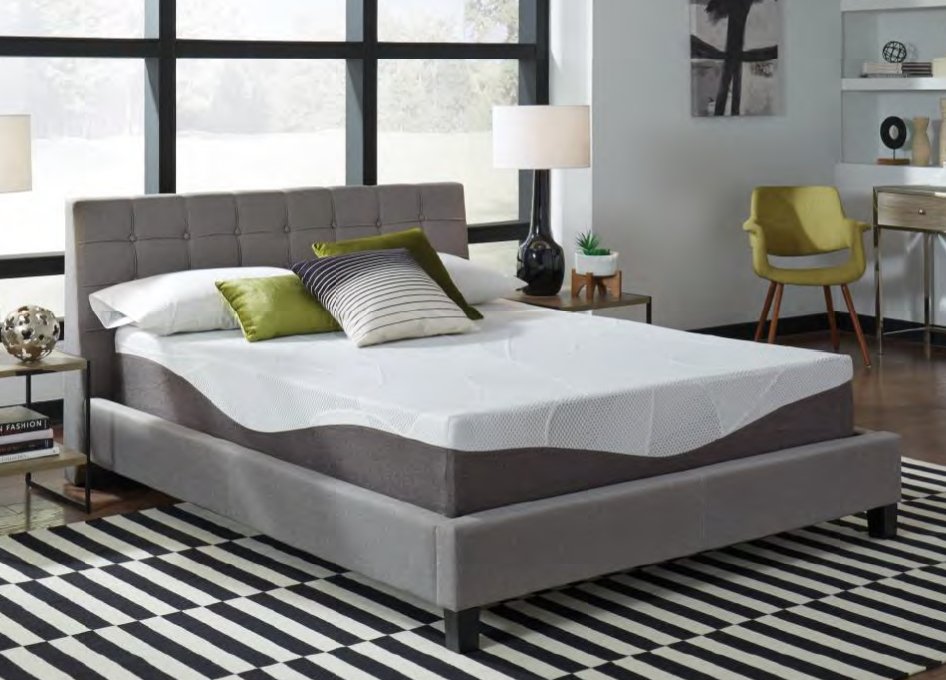
Measure your mattress height first, then pick a fitted sheet whose pocket exceeds it by a couple of inches so the corners tuck securely without straining or popping off. Pocket depth — not thread count — is the variable that decides whether your sheet stays on the bed.
Manufacturers sort fitted sheets into three depth tiers: standard for slimmer mattresses, deep for taller builds, and extra-deep for the tallest pillow-tops and toppered beds. You don't need the exact inch ranges to shop well — you need your own measurement and a little tuck-room.
The measure-first method (3 steps)
- Measure the side height. Run a tape from the seam at the bottom of the mattress to the top surface, including any built-in pillow-top.
- Add a topper if you use one. A foam or featherbed topper adds height, which pushes you up a pocket tier — measure with it on.
- Pick a pocket that exceeds your number by a couple of inches. That gives the corners enough fabric to wrap under and stay put.
As bedding guide Barehome puts it, "Quality sheets should fit snugly but not strain at the corners. They should allow enough material to tuck properly while staying secure all night." Too shallow and the corners ride up overnight; too deep and the sheet billows and shifts.
Bottom line: if you bought a tall hybrid or added a topper, default to a deep or extra-deep pocket. If you're new to buying bedding online, our step-by-step guide to buying online walks through measuring your setup so the fit is right the first time.
How do I match sheet material to how hot I sleep?
Pick breathable natural fibers — 100% cotton, linen, bamboo, or Tencel — that let core heat escape; avoid polyester blends that trap air and increase nighttime perspiration. Material is the single biggest lever you control over how warm your bed feels.
The reason is thermoregulation. As Consumer Reports explains it:
"Choose 100 percent cotton designs for a more breathable sheet, which will keep your skin warm while allowing heat from your core to dissipate into the air." — Consumer Reports
That breathability is exactly what synthetic blends lack — polyester restricts air circulation and can increase perspiration during the night, according to the same buying guidance. The fiber's structure matters more than any number printed on the package.
Fiber type also shows up in the research. The 2024 systematic review in PMC reported that linen bedsheets promoted better sleep than cotton under warm conditions, though it cautioned the evidence base is limited and heterogeneous. Treat material-specific picks as evidence-informed preferences, not clinical guarantees.
Why "breathable" beats "high-tech" — an honesty note on the science
Most peer-reviewed sleep-temperature research measures whole bedding systems, not sheets alone. A 2008 experimental study in Building and Environment measured bedding-system insulation ranging from 0.90 to 4.89 clo and found total insulation significantly affected sleep comfort. A 2020 study of 6 men in the same journal (Okamoto-Mizuno et al.) put the thermal-neutral bedding temperature at 31.1°C in the lab and 32.1°C in the field.
The practical read: lower-insulation, more breathable layers support cooler sleep conditions — which is why a thin percale sheet and a light comforter beat a dense synthetic set. Your sheet is one layer in that stack, not a magic switch.
"100% cotton" vs "cotton-rich" — read the label: which is better?
One word on the package changes everything. 100% cotton is a full natural-fiber sheet that breathes the way Consumer Reports describes. "Cotton-rich" is a marketing term for a blend that's under 100% cotton — usually cut with polyester, which reintroduces the heat-trapping you were trying to avoid. If cool sleep is the goal, buy true 100% cotton and skip the blend. Our deeper look at why quality bedding is worth it covers the fiber differences in more detail.
What are the best sheets for hot sleepers?
Cotton percale, linen, bamboo viscose, Tencel, and silk are the top cooling materials because they breathe well and wick moisture away from the skin. The Sleep Foundation groups these as the strongest picks for sleepers who run warm.
- Cotton percale — crisp, matte, very breathable; the safest all-around cooling pick.
- Linen — substantial, airy, and the fiber the PMC review linked to better warm-weather sleep.
- Bamboo viscose — silky and breathable, though whether it beats cotton percale isn't settled in clinical trials.
- Tencel (lyocell) — smooth, moisture-wicking, made from wood pulp.
- Silk — naturally temperature-regulating, but higher-maintenance.
If you sleep hot on a warm mattress, the long-staple answer is a true cooling cotton. Our DreamFit Cooling Egyptian Cotton sheets pair long-staple breathability with a crisp hand that lets core heat dissipate — exactly the trait Consumer Reports points hot sleepers toward. They ship free, and every purchase helps donate a bed to a local family through our buy-one-donate-one mission. To cool the head of the bed too, the DreamFit Chill Pillow is a natural companion.

Percale vs sateen: which weave should I choose?
Choose percale for a crisp, cool, breathable feel that suits hot sleepers; choose sateen for a smoother, softer, warmer drape that trades some breathability. Weave is step three — the texture decision, made after fit and temperature are sorted.
The difference is purely in how the threads cross. As Sleepopolis describes it:
"Percale is a plain weave with yarns woven one over, one under, and it creates a crisp matte finish. They're cool, lightweight, and very breathable." — Sleepopolis
Sateen (not to be confused with satin, which describes a finish on synthetic fabric) uses a weave with more threads floating on the surface. That gives it the silkier sheen and softer hand — at the cost of a little breathability and a touch more warmth.
| Weave | Feel | Breathability | Warmth | Best for |
|---|---|---|---|---|
| Percale | Crisp, matte, lightweight | High | Cool | Hot sleepers, warm climates |
| Sateen | Silky, smooth, soft sheen | Moderate | Warmer | Cool sleepers, a luxe drape |
Bottom line: if you wake up hot in Huntsville's humid summers, percale is the safer weave. If you run cold and chase softness, sateen wins. Linen sits in its own category — covered next.
Why is thread count a misleading way to judge sheet quality?
High thread counts often signal finer, weaker yarns rather than better sheets; fiber staple length and weave predict softness and durability far more reliably. Thread count is the metric the marketing leans on hardest and the one that tells you least.
According to Consumer Reports, thread counts in tested products ranged from 152 to 680 threads per square inch, and counts above 400 are likely produced using finer yarns rather than indicating superior quality. Finer yarns can mean a thinner, less durable sheet — the opposite of what the big number implies.
What actually predicts a good sheet is staple length. Long-staple cottons like Egyptian and Supima are softer and last longer than short-staple cotton. As one widely-cited r/BuyItForLife commenter summarized it: "Bed linens are about the quality and length of the staple of cotton; thread count tells you nothing." Bedding retailer Bed Lam echoes the point: "Thread count isn't a guarantee of quality. Focus on fabric type, weave, and sourcing."
The only thread-count ranges worth knowing
- Percale: a sweet spot around 180–300. Higher isn't better here — it just trades breathability for weight.
- Sateen: commonly 400–800, where the denser weave is part of the design.
- Linen: ignores thread count entirely. Judge it by GSM (grams per square meter); 190–210 GSM indicates a substantial, durable feel.
Peak insight: a 680-thread-count sheet can be less durable than a 250-count percale, because hitting that number often requires thinner yarns that wear out faster. Buy the fiber and the weave — let the count be a footnote.
How do I match sheets to my mattress type — foam, hybrid, or latex?
Mattress type mainly affects heat retention: foam traps more warmth, so pair it with breathable percale or linen; hybrid and latex run cooler and forgive sateen. Your bed's build quietly shifts which sheet keeps you comfortable.
- Foam mattresses tend to sleep warmer because dense foam restricts airflow around your body. That makes a breathable, low-insulation sheet more important — lean percale or linen, supported by the cooler-sleep logic in the 2024 PMC review.
- Hybrid and latex mattresses breathe more through their coils and open structure, so they run cooler and widen your options — you can enjoy a softer sateen without overheating.
- Toppers change two things at once: they add height (back to pocket depth) and alter the surface feel, sometimes adding warmth of their own.
If you're shopping a cooler base alongside your sheets, a breathable build like the Sandman 14" Cooling Hybrid pairs naturally with percale to keep the whole stack airy. To see how the builds differ, our guide to choosing a mattress for your sleep style breaks down foam versus hybrid in plain terms.
Which sheets are best for eco-conscious or sensitive-skin sleepers?
Choose natural fibers like linen or cotton percale carrying OEKO-TEX or European Flax certification — they're breathable, low-irritant, and verified for fewer harmful substances. For allergy-prone and eco-minded buyers, the label and the fiber both matter.
According to the allergy-bedding guidance at AchooAllergy, hypoallergenic sheets made from linen or cotton percale are recommended for sensitive skin and allergy-prone individuals, because natural fibers breathe and tend to irritate less than synthetics.
Two certifications help you shop with confidence:
- OEKO-TEX — tests textiles for harmful substances. It verifies the inputs, not a clinical health outcome, so read it as a credibility signal rather than a medical promise.
- European Flax — traces linen back to certified EU-grown flax for buyers who want a documented natural-fiber source.
Sheets are only half the allergy equation. A barrier layer matters too — our DreamFit Comfort Mattress Encasements wrap the whole mattress to block allergens, and a fitted mattress protector adds a washable shield under your sheets. If sustainability drives your whole setup, our look at eco-friendly mattresses rounds out the picture.
How do the main sheet materials compare side by side?
Linen and cotton percale lead for cooling and durability; sateen wins on softness; bamboo and Tencel feel silky and breathable; microfiber is the least breathable of the group. Use this as your at-a-glance cheat sheet.
| Material | Cooling | Feel | Durability | Quality signal | Best for |
|---|---|---|---|---|---|
| Cotton percale | High | Crisp, matte | High | 180–300 thread count | Hot sleepers, all-rounders |
| Cotton sateen | Moderate | Silky, soft | High | 400–800 thread count | Cool sleepers wanting softness |
| Long-staple cotton (Egyptian/Supima) | High | Soft, smooth | Very high | Staple length, not count | Buyers wanting longevity |
| Linen | Very high | Textured, substantial | Very high | 190–210 GSM | Warm climates, eco buyers |
| Bamboo viscose | High | Silky, drapey | Moderate | GSM/feel, not count | Soft-but-cool seekers |
| Tencel (lyocell) | High | Smooth, fluid | Moderate | Fiber quality | Moisture-wicking comfort |
| Silk | High | Slippery, luxe | Moderate | Momme weight | Temperature-sensitive sleepers |
| Microfiber/polyester | Low | Soft, warm | Moderate | Not applicable | Budget warmth, cold sleepers |
Per the Sleep Foundation, the natural fibers near the top of this table consistently outperform synthetics for sleepers who run warm. If you want a cooling cotton without the linen texture, our DreamFit Cooling Pima Cotton sheets are a smooth long-staple option.
How should I care for my new sheets to keep them clean and lasting?
Wash new sheets before first use to remove finishes and dye, then launder cotton and percale weekly and linen about every two weeks for hygiene. A little routine protects both the fabric and your skin.
- Wash before you sleep on them. Consumer Reports advises washing new sheets to remove manufacturing finishes or excess dye before the first night.
- Cotton and percale: launder weekly to keep them fresh and hygienic.
- Linen: roughly every two weeks is enough — it relaxes and softens with each wash.
- Allergy-prone sleepers: wash more often, and pair sheets with a washable protector to cut down on dust and dander.
Bottom line: the simplest durability upgrade is a cold-to-warm wash and a low-heat dry — high heat is what shortens a sheet's life fastest.
Common questions about choosing sheets for your mattress
What thread count is best for hot sleepers?
For hot sleepers, aim lower, not higher. A percale weave around 180–300 threads breathes far better than a dense 600-plus set. The fiber and weave matter more than the number — choose 100% cotton percale or linen, both of which let core heat dissipate while wicking moisture.
How do I choose sheets that fit my deep-pocket mattress?
Measure your mattress height (including any pillow-top or topper), then choose a fitted sheet whose pocket exceeds that number by a couple of inches. Tall hybrids and toppered beds usually need a deep or extra-deep pocket so the corners tuck securely and stay put through the night.
Is percale better than sateen for cooling?
Yes. Percale's plain one-over-one-under weave creates a crisp, breathable surface that sleeps cooler, while sateen's denser weave feels softer but traps slightly more warmth. If you run hot, percale is the better-matched weave; if you run cold and want silkiness, sateen wins.
Why is 100% cotton better than cotton-rich blends?
"100% cotton" is a full natural-fiber sheet that breathes and lets core heat escape. "Cotton-rich" is a marketing term for a blend under 100% cotton, usually cut with polyester that restricts airflow and can increase perspiration. For cooler, more breathable sleep, choose true 100% cotton.
What's the difference between linen GSM and thread count?
Thread count measures threads per square inch and applies to cotton weaves; linen uses GSM (grams per square meter) instead, because its yarns are thicker and looser. A linen around 190–210 GSM indicates a substantial, durable feel. Judge linen by GSM, never by a thread-count number.
Should I wash new sheets before sleeping on them?
Yes. Wash new sheets before the first night to remove manufacturing finishes and excess dye that can irritate skin. After that, launder cotton and percale weekly and linen about every two weeks — more often if you're allergy-prone — using low heat to extend the fabric's life.
Your next step: the versatile pick for almost any sleeper
For most sleepers, 100% long-staple cotton is the safe all-rounder — breathable, soft, and durable — making it the easiest sheet to pair with any mattress. Run the three-step framework one last time: fit the pocket depth, match the material to your sleep temperature, then pick percale or sateen for feel.
Our DreamFit Comfort Sheets in 100% long-staple cotton are the versatile default that suits nearly any mattress and sleeper. Dedicated hot sleepers should reach for the crisper DreamFit Cooling Egyptian Cotton line instead. Both ship free, and every purchase helps donate a bed to a local family.
Shop online — quality mattresses and bedding delivered if you already know your pick. If you're near Huntsville and want to feel percale against sateen by hand before deciding, schedule a personalized in-store appointment with our sleep team — we'll help you complete the whole setup, from sheets to protectors. You can also text or call our sleep team with any questions.


Leave a comment
All comments are moderated before being published.
This site is protected by hCaptcha and the hCaptcha Privacy Policy and Terms of Service apply.