
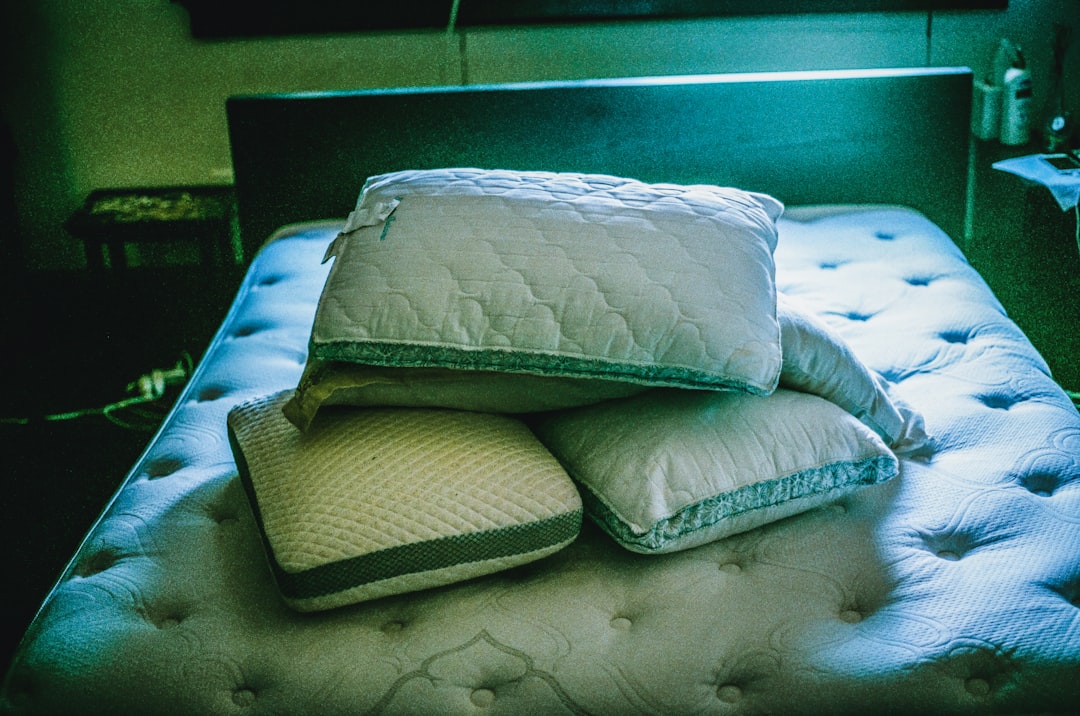
To choose a cooling pillow, match three things to how hot you sleep and your sleep position: the fill (how much air moves through it), the cover fabric (how fast it wicks heat and moisture), and the cooling mechanism (whether it absorbs heat or expels it). Prioritize airflow over marketing buzzwords.
The evidence is encouraging: in a 2024 field study in Sleep of 29 hot sleepers, a cool-feeling pillow was linked to 9% more REM minutes — promising, but preliminary.
Key takeaways
- Breathability beats gimmicks. Airflow is the primary way a pillow expels heat — natural and shredded fills lead here.
- Gel absorbs heat; it doesn't actively cool. It settles to room temperature like a water insert, while Phase Change Materials (PCM) wick heat away.
- Match loft to your position: side sleepers need higher, firmer loft; stomach sleepers want low and soft.
- Evidence supports thermal comfort and sleep continuity — not ice-cold guarantees. Peer-reviewed data comparing specific fills is sparse.
- Adjustable shredded fill lets you tune loft and airflow — the best hedge if you're unsure what suits you.
If you flip the pillow to the cool side all night, the right build can genuinely help. Browse the DreamFit Cooling Pillow and the rest of our curated cooling pillow lineup to see the builds explained below in real products.
Do cooling pillows actually work, or is it just marketing?
The evidence supports improved thermal comfort and sleep continuity for hot sleepers — not ice-cold guarantees. The available studies are small and promising, but preliminary, and none of them proves a specific fill "cools" you.
The most relevant field data comes from a 2024 study published in Sleep (Wang, 2024): 29 healthy adults who reported sleeping hot were tracked across 1,175 nights. Using a cool-feeling pillow was associated with 9% more REM minutes, a 13% higher REM proportion, a 3% higher SleepScore, and a 4% higher MindScore versus baseline. It's a small pre-post study, so treat it as a signal, not proof.
Older experimental work points the same direction. In a 1996 randomized study of 10 healthy young men published in Sleep and Biological Rhythms, a cooling pillow kept rectal temperature, forehead skin temperature, and heart rate significantly lower in the latter half of the night than a polyester pillow — and sleepers rated it better for deep sleep.
A 2025 UC Berkeley systematic review of 25 studies found that personal cooling improved sleep efficiency, shortened how long it took to fall asleep, and reduced wake-ups after sleep onset — while noting some cooling systems can feel too cold when you first get into bed.
Bottom line: direct peer-reviewed evidence comparing gel, bamboo, and adjustable fills against each other is thin. The honest frame is that a well-built cooling pillow can improve how comfortable and continuous your night feels — which is exactly why the build matters more than the marketing word "cooling."
What are the three factors that decide how cool a pillow sleeps?
Three things decide it: the fill (how much air moves through it), the cover fabric (how fast it wicks heat and moisture off your skin), and the cooling mechanism (whether it absorbs heat or expels it). Get all three right and you sleep cooler; get sold on one buzzword and you often don't.
1. Fill: how much air moves through the pillow
Fill is the biggest lever, because airflow is the primary way a pillow gets rid of heat. Pillows that let air move freely expel warm, humid air instead of trapping it against your head.
- Buckwheat hulls — the most breathable option. Their irregular shape leaves gaps that let air circulate and warm humidity escape, keeping you cool without any special chemistry.
- Shredded foam or shredded latex — the loose pieces leave air channels, so they breathe far better than a solid foam block and can be adjusted.
- Latex — cooler to the touch than solid memory foam and more breathable than a block-style foam core, while keeping a contouring feel.
- Gel-infused solid memory foam — dense and slow to move air; the gel gives a cool first touch but airflow is limited.
2. Cover fabric: how fast it wicks heat and moisture
The cover governs surface feel more than deep cooling. Materials like bamboo and GlacioTex knits wick heat and moisture off your skin for a crisp, cool-to-the-touch sensation. That feel is real and pleasant — but a breathable cover over a heat-trapping core still warms up. Treat the cover as the finishing layer, not the engine.
3. Cooling mechanism: absorb heat vs expel it: which is better?
This is the distinction most guides skip. Gel infusions absorb heat from your head and neck and spread it across the pillow, settling to room temperature — much like a water-filled insert. As thermal-comfort research in Building and Environment underlines, sustained comfort depends on moving heat away, not just storing it.
Phase Change Materials (PCM) work differently: they shift between solid and liquid states to actively pull heat away and hold a stable temperature. Paired with a breathable core, PCM is the closest thing to a build that keeps expelling heat rather than saturating with it.
So what: if you sleep very hot, prioritize a breathable core plus (optionally) a PCM component. If you mostly want a cool surface to lie down on, a gel-topped pillow may be enough.
Gel vs. bamboo vs. adjustable fill: which cools best?
Breathable natural and shredded fills expel heat best; gel offers the coolest first touch; adjustable fill wins on custom fit and airflow you can tune. Here's how the main builds compare, each row readable on its own.
| Type | How it cools | Breathability | Best for | Trade-offs | Eco note |
|---|---|---|---|---|---|
| Gel-infused solid foam | Absorbs heat; cool-to-touch surface | Low | Cool first-touch feel; occasional overheating | Warms up as it saturates; dense airflow | Synthetic |
| Shredded foam (adjustable) | Airflow through loose pieces | High | Custom loft + steady airflow | Needs occasional fluffing | Synthetic |
| Latex (shredded or solid) | Airflow; cooler to touch than foam | Medium–high | Contouring feel without foam heat | Heavier; latex allergy caution | Natural options available |
| Buckwheat hull | Air flows through hull gaps | Highest | Very hot sleepers wanting no gimmicks | Firm and audible; heavy | Natural |
| Bamboo cover over foam | Cover wicks heat/moisture | Depends on core | Cool surface feel | Core still governs deep cooling | Natural cover |
The AARP testing team summarizes the sweet spot well: "the best cooling pillows tend to be made from memory foam, have specialized gel for a 'cool-to-the-touch' feel and offer options to customize the pillow's firmness and height. Using breathable materials such as mesh or cotton, or cooling technology that draws heat away from the body, is key to a cooling pillow's success."
On why adjustable shredded fill balances everything, the Forbes Vetted team notes: "Shredded foam options generally allow for adjustability, enabling you to add or remove fill to suit your preferences. This non-solid foam allows for better air circulation."
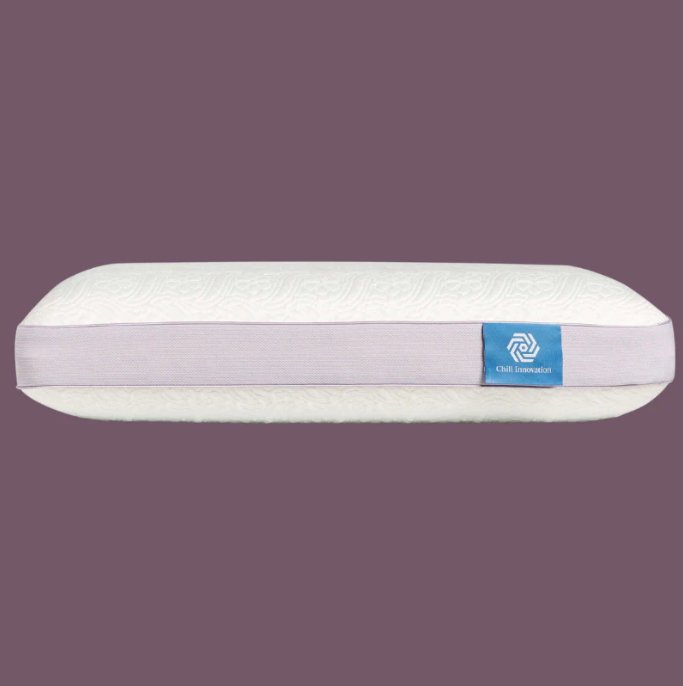
Takeaway: natural and shredded fills lead on airflow, gel leads on first-touch coolness, and an adjustable shredded core blends airflow, support, and hygiene. If that "tune it to your body" approach appeals, the adjustable-loft DreamFit Chill Pillow is built around that idea — a breathable, add-or-remove-fill design rather than a fixed foam block.

Which cooling pillow is right for your sleep style?
Match loft and fill to your position and heat level: side sleepers need higher loft, hot sleepers need maximum airflow, and eco shoppers want natural fills. Work through the profile that fits you.
- Very hot / night sweats: Prioritize a breathable core (shredded foam, latex, or buckwheat) and consider a PCM component. Skip dense gel-only foam — it saturates.
- Side sleepers: You need a higher, firmer loft to fill the gap between your ear and shoulder. Adjustable fill helps you dial in exactly the right height.
- Back sleepers: Aim for a medium loft that keeps your neck neutral without pushing your head forward.
- Stomach sleepers: Go low and soft so your neck isn't cranked upward. Removable-fill pillows let you strip it down.
- Eco-conscious shoppers: Favor natural buckwheat, natural latex, or a bamboo cover over a breathable core rather than synthetic gel.
- Want customization: Choose an adjustable shredded fill you can add or remove to fine-tune both loft and airflow over time.
What does "doing this right" look like in a product? The DreamFit Cooling Pillow pairs a breathable build with a cool-touch cover for sleepers who want a straightforward cool surface, while the DreamFit Chill adjustable pillow lets side and back sleepers tune loft up or down as their needs change. Every pillow purchase also supports our buy-one-donate-one mission, so a better night for you means a bed for a neighbor in need.
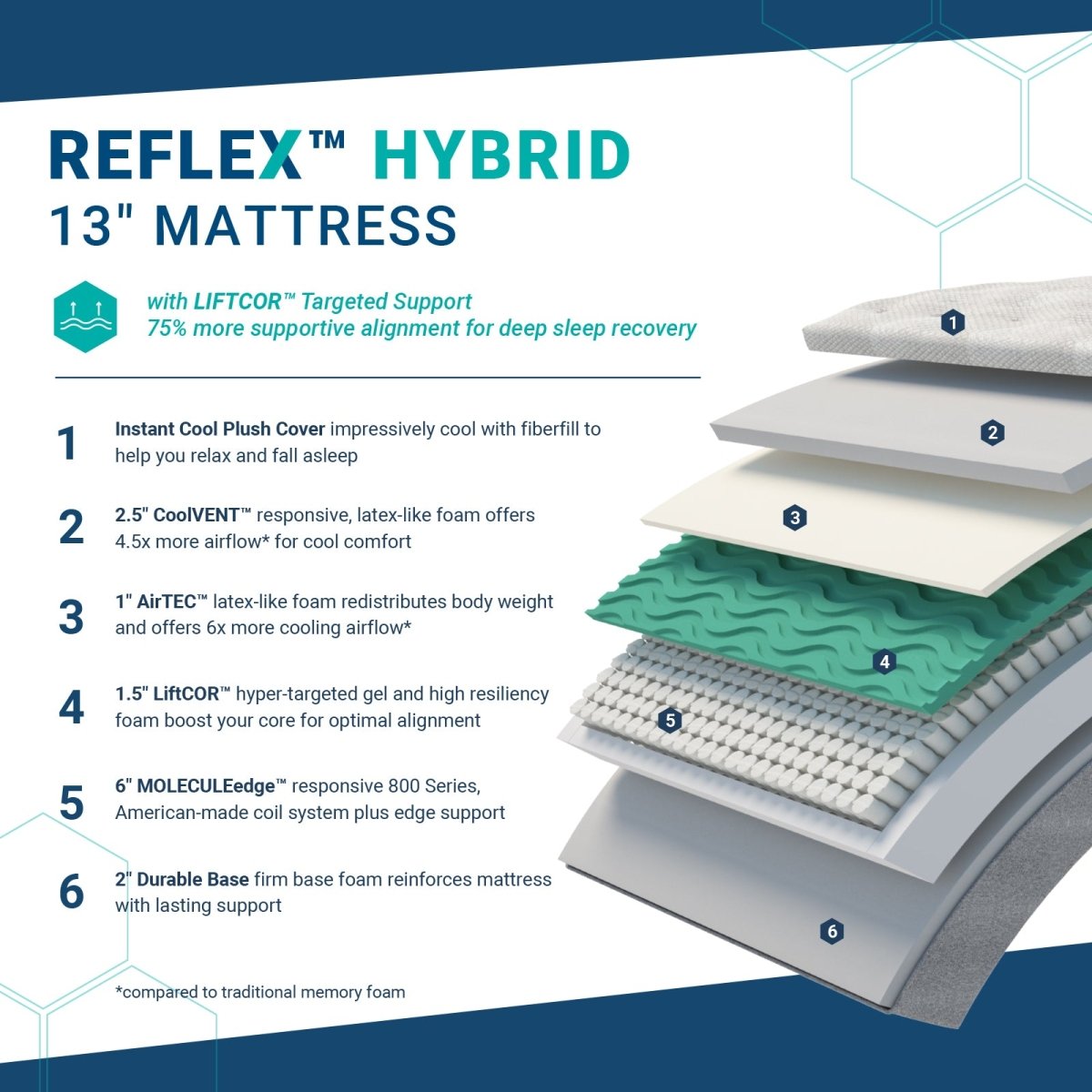
Cooling starts under you, too. If you wake up hot even with a good pillow, your mattress may be the real culprit — our cooling mattress lineup is built with airflow in mind for Southeast summers. See how to evaluate that construction in our mattress buying guide.
Why do some cooling pillows feel warm after an hour?
Gel and dense foam absorb heat until they reach body-warmed room temperature, then have nowhere to send it — so poor airflow, not bad marketing alone, is the real culprit. That cool-to-the-touch surface is a first impression, not an all-night guarantee.
Here's the mechanism. A gel-topped foam pillow feels great when you lie down because the gel pulls heat off your skin and spreads it. But if air can't move through the core, that stored heat just accumulates. As National Geographic's reporting on pillow sleep science explains, the pillow's job is to help your body shed heat through the night — and a saturated, airtight core can't keep doing that.
An honest maker of a gel pillow, quoted in a Mattress on Demand buyer's guide, describes exactly this trade-off: the gel "pulls warmth away from your head and neck, absorbs it, and then distributes it across the entire pillow." Absorbing and distributing is helpful early — but it's still storage, not removal.
How to spot a genuinely breathable build:
- Look for shredded fill or hull fill, not a single solid foam block.
- Check for ventilated or mesh panels and a breathable cover (bamboo, cotton, or a knit).
- Favor PCM or an airflow-first design over "gel-infused" as the only cooling claim.
- Be skeptical of a dense, heavy foam core marketed purely on gel — density and airflow are usually at odds.
So what: if the pillow can't keep moving air, it will eventually match your body heat. Buy for airflow first, cool-touch second.
Who should skip each cooling pillow type?
Every build has someone it's wrong for. Matching honestly is what actually gets you a cooler night — here's who each type is not for.
- Gel-infused solid foam — skip it if you sweat heavily all night. Its airflow is limited, so it tends to warm up in the latter half of the night for the hottest sleepers.
- Buckwheat hull — skip it if you want a soft, quiet, moldable feel. It's firm, heavy, and audibly shifts when you move.
- Solid (block) latex — skip it if you want to fine-tune loft; it holds one height. Also skip if you have a latex allergy.
- Adjustable shredded fill — skip it if you want a simple set-and-forget pillow. Managing fill is a small ongoing task some sleepers won't want.
- Bamboo-cover-over-foam — skip it if you're counting on the cover alone to keep you cool. A heat-trapping core will override a great cover.
Medical note: the 2025 UC Berkeley review also flagged that personal cooling can feel too cold at first — worth knowing if you're temperature-sensitive. This article is educational and not medical advice. If you have chronic neck pain or a diagnosed sleep disorder, confirm the right loft and support with a clinician, since fit affects your neck as much as cooling does.
How do you pair your pillow for a cooler night overall?
A cooling pillow works best alongside breathable sheets, a cooling mattress protector that doesn't trap heat, and a mattress built for hot sleepers — the layers compound. The Sleep Foundation's cooling pillow guide reinforces that breathable materials across your sleep setup are what keep heat moving away from your body.
Three easy upgrades that stack with your pillow:
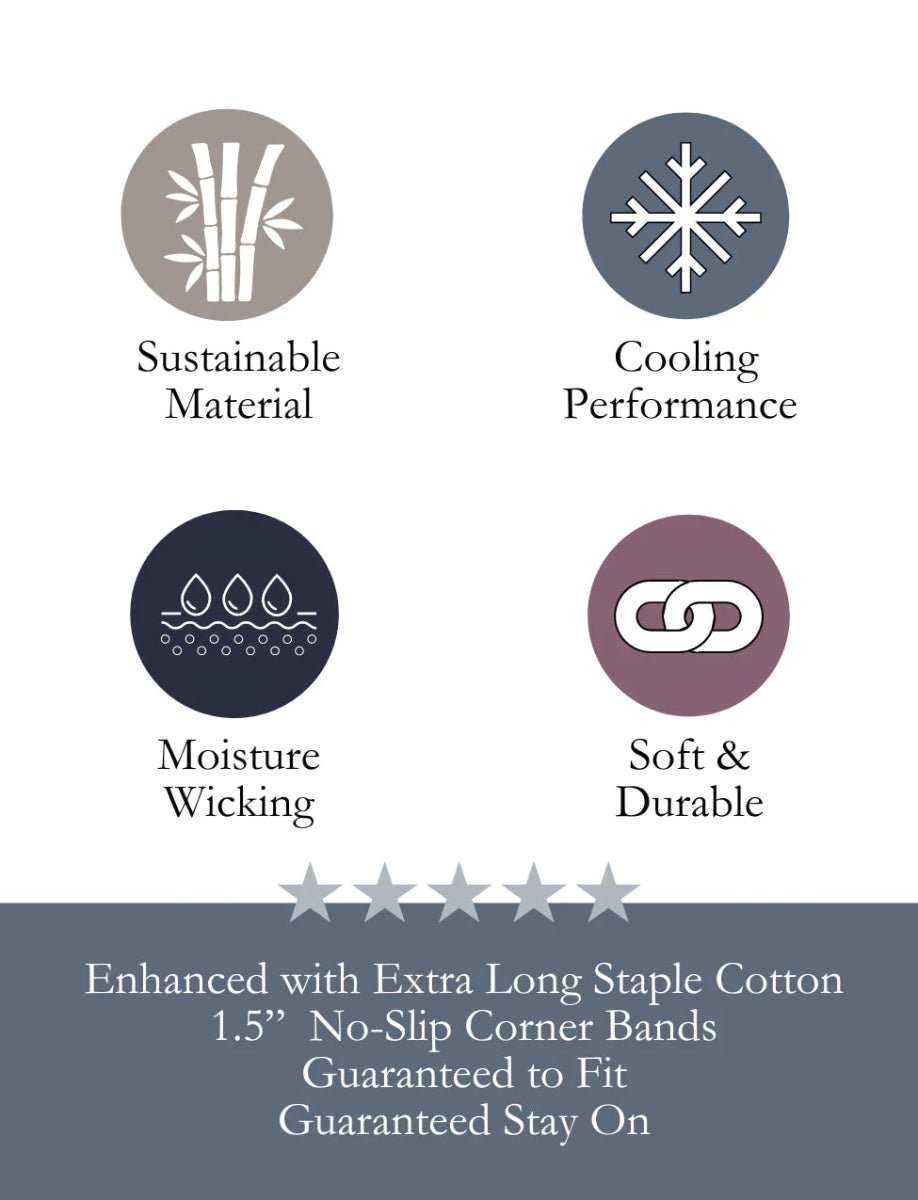
- Breathable sheets: natural fibers move air and moisture better than tightly woven synthetics. Our Pima cotton cooling sheets and enhanced bamboo Chill sheets are built for warm nights.
- A cooling protector: many protectors trap heat with plastic-y backings. A breathable cooling mattress protector keeps the surface from insulating you.
- A mattress with airflow: if you sleep hot despite everything above, see our full mattress buying guide for how to evaluate cooling construction.
The bottom line: how to pick your cooling pillow
Match fill, cover, and cooling mechanism to how hot you sleep and your position — and prioritize airflow above every marketing claim. A quick decision rule:
- Very hot / night sweats: breathable shredded or hull fill, optionally with PCM.
- Side sleeper: higher, firmer, adjustable loft.
- Back sleeper: medium loft, breathable core.
- Stomach sleeper: low, soft, removable fill.
- Eco-minded: natural buckwheat, latex, or a bamboo cover.
- Not sure: start with an adjustable shredded-fill pillow you can tune.
When you're ready to compare real builds against this framework, browse our cooling pillow collection to find your match — the DreamFit Cooling Pillow for a straightforward cool surface, the DreamFit Chill for adjustable loft. Every order ships free, financing is available from $29/mo at 0% APR, and every purchase funds our buy-one-donate-one mission, putting a bed in the hands of a Southeast family who needs one.
Frequently asked questions about cooling pillows
Do gel-infused pillows actually cool you down or just absorb heat?
Gel infusions mainly absorb heat — they pull warmth from your head and neck and spread it across the pillow, settling to room temperature like a water insert. That creates a genuine cool-to-the-touch feel at first, but a dense gel core can warm up over the night if air can't move through it. For all-night cooling, airflow matters more than gel.
How does Phase Change Material (PCM) work in a cooling pillow?
PCM actively wicks heat away by shifting between solid and liquid states, which lets it absorb and release heat to hold a steadier surface temperature. Unlike plain gel, which stores heat until it saturates, PCM helps keep expelling it. Paired with a breathable core, a PCM component is the closest thing to a build that resists warming up.
Are natural fills like buckwheat and bamboo better than synthetic gel pillows?
For airflow, often yes. Buckwheat hulls are the most breathable fill because air moves freely through the gaps between hulls, expelling warm, humid air without any special chemistry. Bamboo is usually a breathable cover material, not a cooling technology by itself. Both suit hot and eco-conscious sleepers, though buckwheat feels firm and audible compared with soft gel foam.
Why do some cooling pillows feel warm after a few hours?
Because gel and dense foam absorb heat until they reach body-warmed room temperature, then have nowhere to send it. The cool-to-the-touch surface is a first impression; without airflow through the core, stored heat accumulates. Look for shredded or hull fill, ventilated panels, and a breathable cover so the pillow can keep moving heat away all night.
Is an adjustable fill cooling pillow worth the extra cost?
It's worth it if you're unsure of your ideal loft or your needs change. Adjustable shredded fill lets you add or remove material to tune both height and airflow, which helps side sleepers most and improves air circulation over a solid block. Skip it only if you want a simple, set-and-forget pillow and already know the loft that suits you.
Are cooling pillows safe for people with neck pain?
Generally yes, but fit matters as much as cooling. Pillow height and firmness affect cervical support, so the wrong loft can strain your neck regardless of temperature. This is educational, not medical advice — if you have chronic neck pain or a sleep disorder, confirm the right loft and support with a clinician, and favor an adjustable pillow you can fine-tune.



Leave a comment
All comments are moderated before being published.
This site is protected by hCaptcha and the hCaptcha Privacy Policy and Terms of Service apply.