
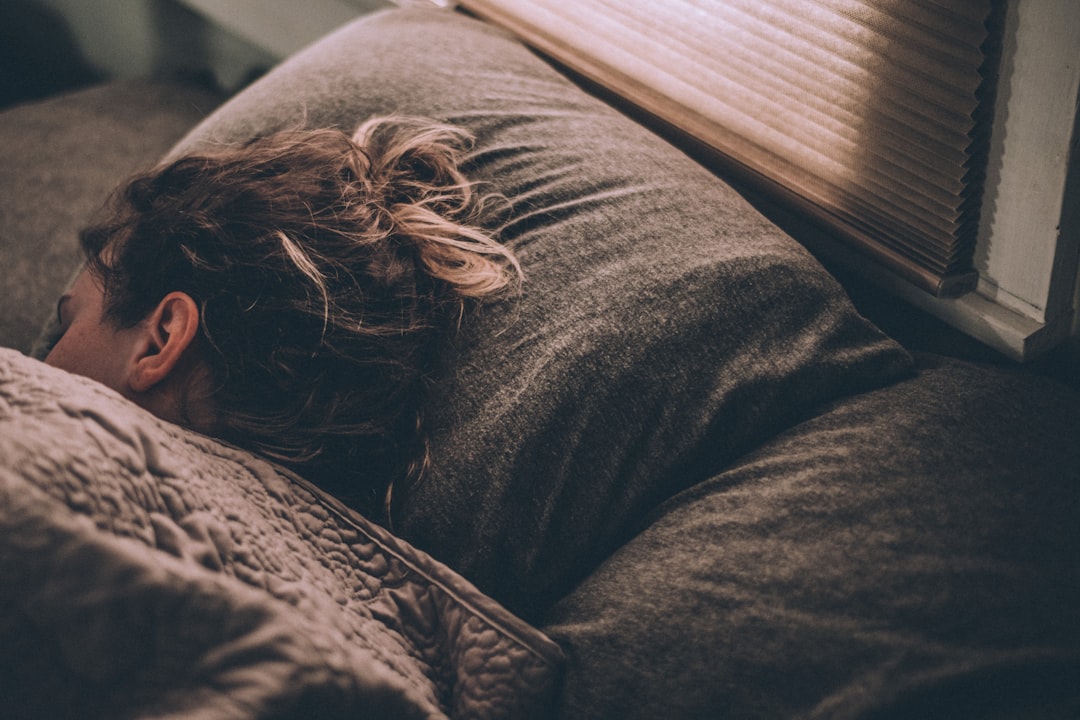
Lose one night of sleep and your reaction time slows, your judgment dulls, and your mood sours — measurably. Lose sleep for years, and the stakes grow: chronic short sleep (under 7 hours) is associated with higher risks of heart disease, type 2 diabetes, obesity, depression, and earlier death. The crucial distinction most articles skip: short-term effects are causally proven, while long-term disease links are mostly associational. This article is educational, not medical advice.
What are the effects of sleep deprivation on the body and brain?
Sleep deprivation reliably impairs attention, reaction time, mood, and decision-making after even one bad night; chronic short sleep is associated with higher cardiometabolic disease and mortality risk. The National Heart, Lung, and Blood Institute (NIH) puts it directly:
"Sleep deficiency can lead to physical and mental health problems, injuries, loss of productivity, and even a greater likelihood of death." — NHLBI, NIH
The honest framing matters: experimental studies prove that short-term sleep loss degrades performance, while long-term disease risks come mostly from observational data — meaning they're associations, not proof of cause. If sleep is something you're trying to protect, your sleep environment is one of the few inputs you fully control.
Key takeaways
- One bad night is real: a single night of poor sleep measurably slows reaction time and worsens mood — about 24 hours awake can resemble alcohol intoxication.
- Chronic loss is the bigger health story: short sleep (<7 hours) is linked to hypertension, stroke, heart disease, obesity, type 2 diabetes, depression, and higher all-cause mortality.
- Evidence quality differs: short-term effects are causally proven; long-term disease links are mostly associational and confounded by illness, shift work, depression, and stress.
- Inflammation builds over nights, not one: a 2025 meta-analysis found a single night caused no inflammation change, but 3+ short nights raised IL-6 and CRP.
- Your mattress is a controllable input: support, pressure relief, and temperature regulation are fixable factors you can address this week.

How much sleep loss is considered sleep deprivation?
Most adults need seven or more hours nightly; sleep deprivation means falling short, while NIH's broader "sleep deficiency" also covers poor-quality, mistimed, or disordered sleep. The distinction changes how you read the research.
According to the NHLBI (NIH), sleep deficiency includes not getting enough sleep, sleeping at the wrong time of day, not sleeping well, or having a sleep disorder that prevents sufficient rest. So you can technically spend eight hours in bed and still be "sleep deficient" if that sleep is fragmented or mistimed.
- Sleep deprivation: simply not enough hours — the most common everyday meaning.
- Sleep deficiency (NIH term): a wider umbrella covering quantity, timing, quality, and disorders.
- Why it matters: two people sleeping "6 hours" can have very different sleep — one fragmented by an unsupportive bed, one simply short on time.
This is why fixing total hours alone sometimes isn't enough. If you log enough time in bed but still wake unrefreshed, sleep quality — not just quantity — may be the missing piece.
Is one bad night of sleep actually harmful?
Yes — even a single night of inadequate sleep measurably slows reaction time, dulls judgment, and worsens mood; around 24 hours awake can mimic alcohol intoxication. This is where the evidence is strongest and most clearly causal.
A classic meta-analysis of 143 study coefficients (total sample n=1,932) published in Sleep by Dinges and colleagues found that sleep deprivation strongly impaired human functioning across performance outcomes — attention, reaction speed, and cognitive throughput all suffer. Harvard Medical School's Sleep and Health Education Program frames the daily-life version plainly:
"In the short term, a lack of adequate sleep can affect judgment, mood, ability to learn and retain information, and may increase the risk of serious accidents and injury." — Harvard Medical School
Push past about 24 hours awake and the effects sharpen. Cleveland Clinic notes that after roughly 24 hours without sleep, impairment can resemble alcohol intoxication — especially for driving safety — and prolonged deprivation can bring on microsleeps, brief involuntary lapses where the brain dozes for seconds at a time, often without the person realizing it.
The encouraging nuance: not everything stays broken. A 2025 experimental study in 54 healthy adults found that after 35 hours of sustained wakefulness, some cognitive performance partially recovered depending on circadian timing, with task-specific rescue rates ranging from about 33% to 52% on a sustained-attention test.
Bottom line: one rough night won't ruin your health, but it does make you slower, foggier, and more accident-prone the next day. If those bad nights are stacking up because your bed isn't comfortable, that's a fixable input — browse our curated mattress collection to compare supportive, pressure-relieving builds.

Can sleep deprivation raise your risk of heart disease, diabetes, and early death?
Chronic short sleep is associated with higher risks of hypertension, stroke, heart disease, obesity, type 2 diabetes, depression, and increased all-cause mortality — but these are associations, not proven cause. That distinction is the single most important thing to understand about long-term sleep research.
A 2025 umbrella review of 29 systematic reviews and meta-analyses in the Journal of Health Psychology found that short sleep duration (under 7 hours) was associated with increased all-cause mortality and was a risk factor for hypertension, stroke, coronary heart disease, obesity, type 2 diabetes, anxiety, depressive symptoms, and impaired emotional regulation. The same review was careful to note the evidence is mostly observational — correlational, not proof that sleep loss alone causes those outcomes.
A 2025 peer-reviewed synthesis describes a U-shaped relationship between sleep duration and mortality: both short sleep and, in some studies, long sleep track with higher risk. That synthesis reports meta-analytic relative risks of roughly 1.06 to 1.15 for all-cause mortality among people with insufficient sleep versus adequate sleep, with males facing about a 13% higher risk. These are real but modest elevations — not the headline-grabbing multipliers you sometimes see.
"In the long term, chronic sleep deprivation may lead to a host of health problems including obesity, diabetes, cardiovascular disease, and even early mortality." — Harvard Medical School
The CDC's 2023 article in Preventing Chronic Disease reports that emerging evidence links sleep deprivation to adverse cardiometabolic and cognitive outcomes, including increased dementia risk — again, "linked," not "caused."
Why "associated with" is not the same as "causes"
The reason researchers hedge is confounding. Illness, shift work, depression, chronic pain, and socioeconomic stress can all both shorten your sleep and independently worsen your health — so it's hard to separate the effect of the sleep loss from the effect of whatever is causing it. You'll sometimes see memorable figures like a near-tripled diabetes risk or a 48% higher heart-disease risk attributed to Johns Hopkins Medicine; treat these as secondary summaries — the page doesn't surface the underlying primary studies, so the peer-reviewed associations above are the more defensible reference.
For readers managing existing back pain or a diagnosed sleep disorder, the controllable side often starts with support and positioning — our guide on adjustable mattresses for sleep disorders walks through how elevation and pressure relief can make rest easier to come by.
What is actually happening inside your body when you lose sleep?
Sleep loss drives measurable biological changes: rising inflammation (IL-6, CRP), a shift toward sympathetic nervous-system dominance, and disrupted glucose and immune regulation. This mechanism layer is where the experimental evidence is genuinely causal.
Inflammation builds over multiple nights — not one
Here's the most surprising finding in the recent literature: a single bad night doesn't appear to inflame your body. An updated 2025 meta-analysis of 35 human studies (887 participants) by van Leeuwen and colleagues in the Journal of Sleep Research found that a single night of total or partial sleep deprivation was not associated with inflammation changes — but several nights of partial deprivation to about 4.3 hours for 3 or more nights raised interleukin-6 (d=0.42) and C-reactive protein (d=0.76). In plain terms: it's the running deficit, not the occasional rough night, that stokes inflammation.
Your nervous system tilts toward "stress mode"
A 2025 systematic review and meta-analysis of 11 randomized trials (549 participants) in Frontiers in Neurology found that sleep deprivation was associated with decreased RMSSD and increased LF/HF ratio — markers of sympathetic predominance and vagal suppression. Translation: short sleep nudges your autonomic balance toward "fight-or-flight" and away from the "rest-and-recover" state, which is part of why chronically short sleepers can feel wired-but-tired.
Performance, metabolism, and immune function take a hit
The downstream effects show up in the body, too. A 2025 meta-analysis of 45 studies in Frontiers in Physiology found sleep deprivation significantly impaired aerobic endurance (SMD -0.66), explosive power (SMD -0.63), speed (SMD -0.52), and skill control (SMD -0.87) while raising perceived exertion. On the metabolic and immune side, Better Health Channel notes that sleep supports glucose regulation, memory consolidation, emotional regulation, and immune function.
One honest caveat: some buzzy mechanisms — gut-microbiome shifts and gene-expression changes — come largely from rodent models. A 2025 rodent meta-analysis, for example, found reduced gut-microbiome diversity in animals, while the human studies were nonsignificant and limited by small samples. Biologically plausible, but not yet direct evidence of human disease.
Acute vs. chronic sleep loss: which effects appear when, and how strong is the evidence?
Acute effects (slowed reaction time, low mood, impaired focus) appear after one night and are causally proven; chronic disease risks emerge over weeks to years and are mostly associational. The table below makes that split clear.
| Effect | When it appears | Evidence strength | Source type |
|---|---|---|---|
| Slowed reaction time & attention lapses | After 1 night | Strong / causal | Experimental meta-analysis (Dinges et al., Sleep) |
| Worse mood, irritability, poor judgment | After 1 night | Strong / causal | Expert clinical summary (Harvard) |
| Impairment resembling alcohol intoxication | ~24 hours awake | Moderate-strong | Clinical source (Cleveland Clinic) |
| Autonomic shift (sympathetic predominance) | After short-term deprivation | Moderate / experimental | RCT meta-analysis (Frontiers in Neurology) |
| Raised inflammation (IL-6, CRP) | After 3+ short nights | Moderate / experimental | Human meta-analysis (Journal of Sleep Research) |
| Cardiometabolic disease (hypertension, T2D, obesity) | Over months to years | Associational | Umbrella review (Journal of Health Psychology) |
| Increased all-cause mortality (RR ~1.06–1.15) | Over years | Associational | Peer-reviewed synthesis (PMC, 2025) |
Who is most at risk, and what are the warning signs to watch for?
Shift workers, new parents, teens, and the many Americans living with a chronic sleep disorder face the highest risk; persistent fog, microsleeps, and daytime drowsiness are red flags. Some risk groups simply have less control over their sleep timing — which makes the controllable inputs matter more.
Higher-risk groups include:
- Shift and night workers — sleeping against the body's clock (a core part of NIH's "sleep deficiency").
- New parents — fragmented, unpredictable sleep for months.
- Teens — biological clock shifts later, colliding with early school start times.
- People with a chronic sleep disorder — the Sleep Foundation estimates as many as 70 million people in the U.S. live with one, such as insomnia or sleep apnea.
Warning signs that sleep loss may be becoming a health concern:
- Dozing off or microsleeps during the day — especially while driving.
- Persistent brain fog, forgetfulness, or "fuzzy thinking."
- Noticeable mood changes — irritability, low mood, or anxiety.
- Relying on caffeine just to function, or falling asleep within minutes of sitting still.
When to see a clinician: if you snore loudly and wake gasping, can't fall or stay asleep most nights for weeks, or feel unrefreshed no matter how long you sleep, talk with a doctor — these can signal a treatable sleep disorder. For comfort-related obstacles, an adjustable base that elevates the head can make breathing and positioning easier for some sleepers, though it's a comfort aid, not a medical treatment.
What can you actually control to sleep better tonight?
Consistent schedules, limiting evening caffeine and screens, and a supportive, temperature-regulating sleep environment are the most fixable inputs — and your mattress is a big, controllable one. You can't undo every risk factor, but the sleep-hygiene basics and your bedroom setup are squarely in your hands.
Start with the fundamentals:
- Keep a consistent schedule. Same bedtime and wake time, even on weekends, steadies your internal clock.
- Cut caffeine in the afternoon. The Sleep Foundation lists caffeine near bedtime and electronics in bed among the most common contributors to insufficient sleep.
- Power down screens before bed. Replace late scrolling with a wind-down routine.
- Optimize the room. Cool, dark, and quiet beats warm and bright.
- Fix the surface you sleep on. An unsupportive or hot mattress quietly sabotages the other four.
Why your sleep environment is the most actionable lever
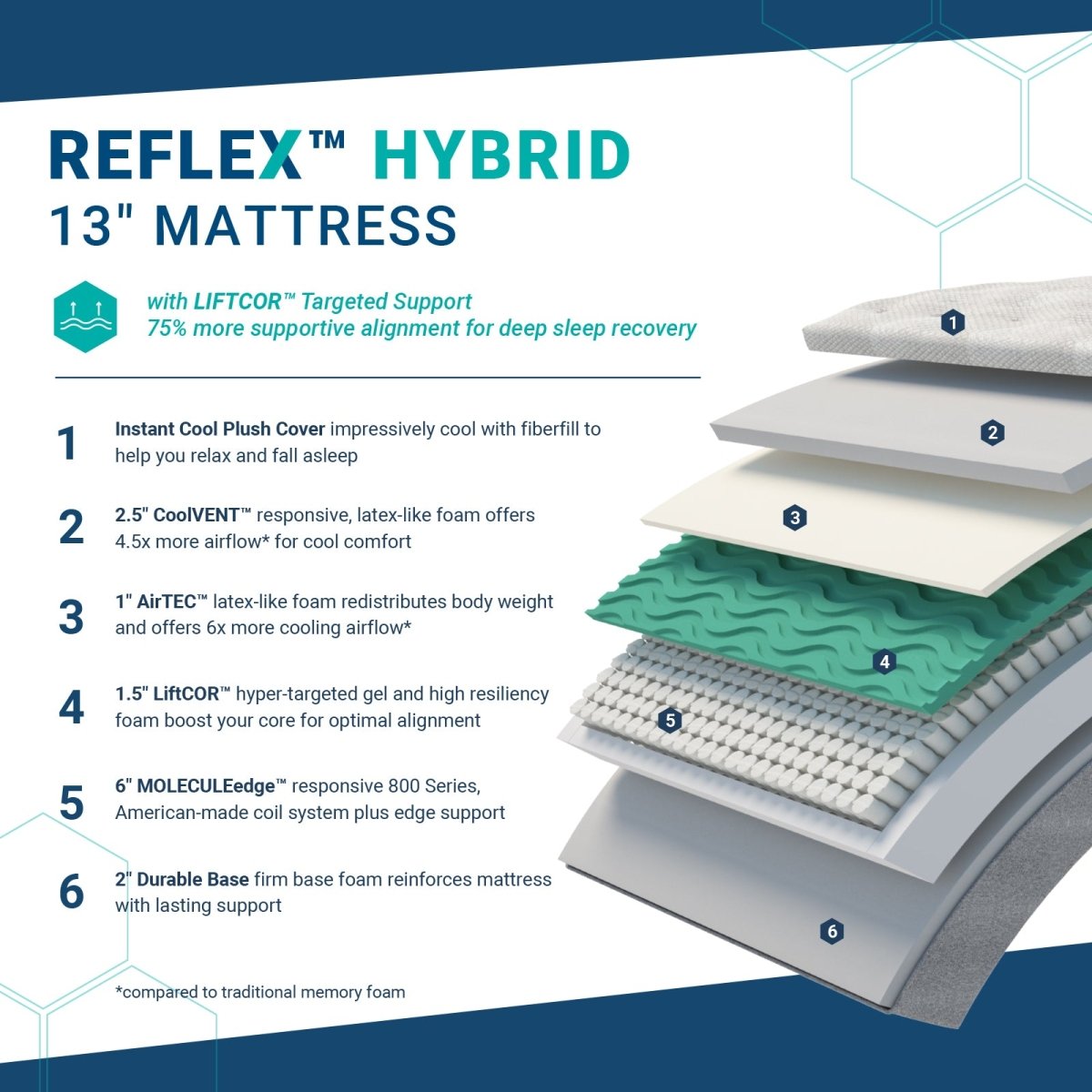
If your mattress sags, runs hot, or leaves pressure points aching, you wake more often and spend less time in restorative sleep — which is the quality side of "sleep deficiency." Three features make the biggest day-to-day difference:
- Support for your spine and back. The right firmness keeps your spine neutral so you're not tossing all night.
- Pressure relief for side sleepers. Contouring foam or hybrid comfort layers cushion shoulders and hips.
- Temperature regulation for hot sleepers. Cooling covers and breathable constructions help you stay asleep rather than waking up overheated.
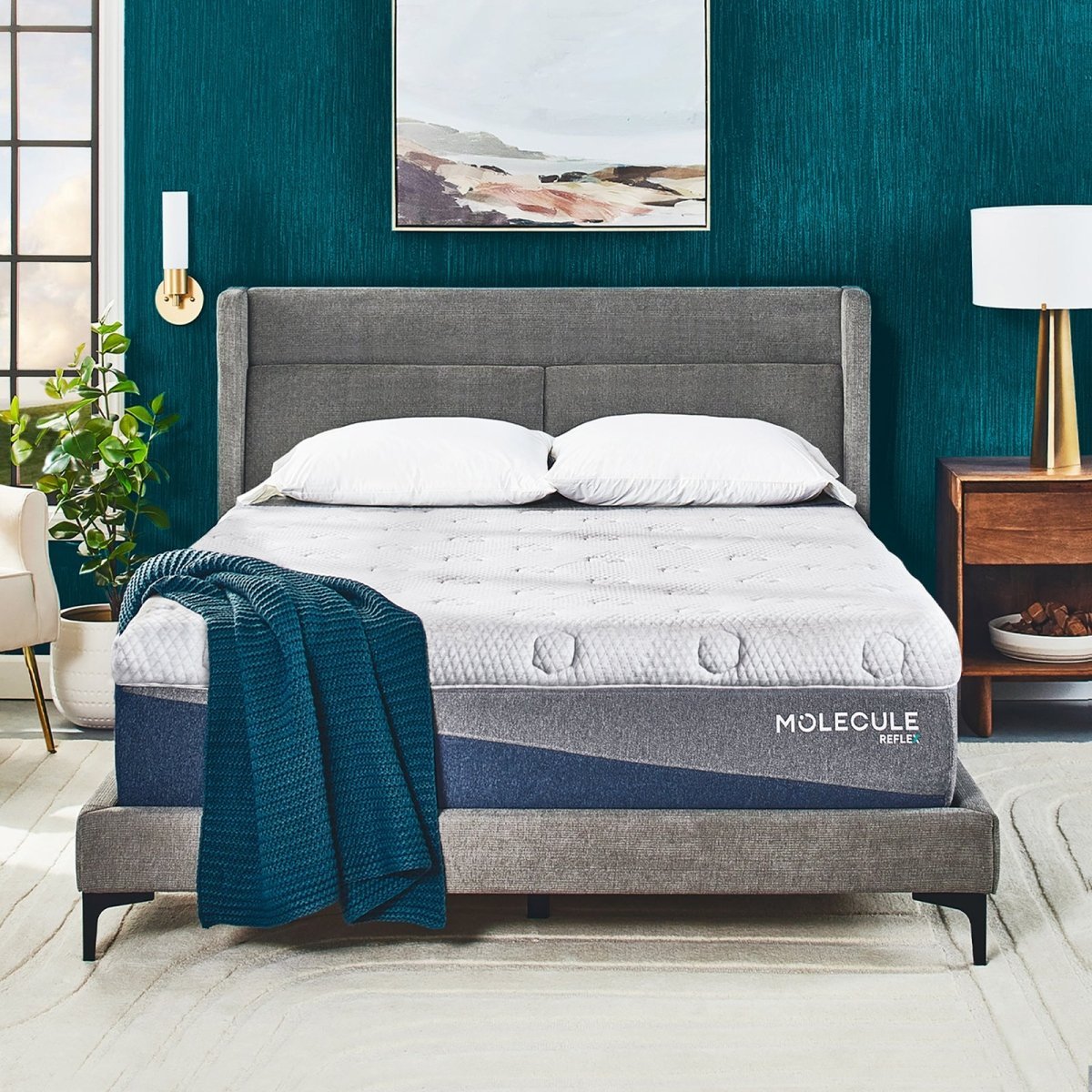
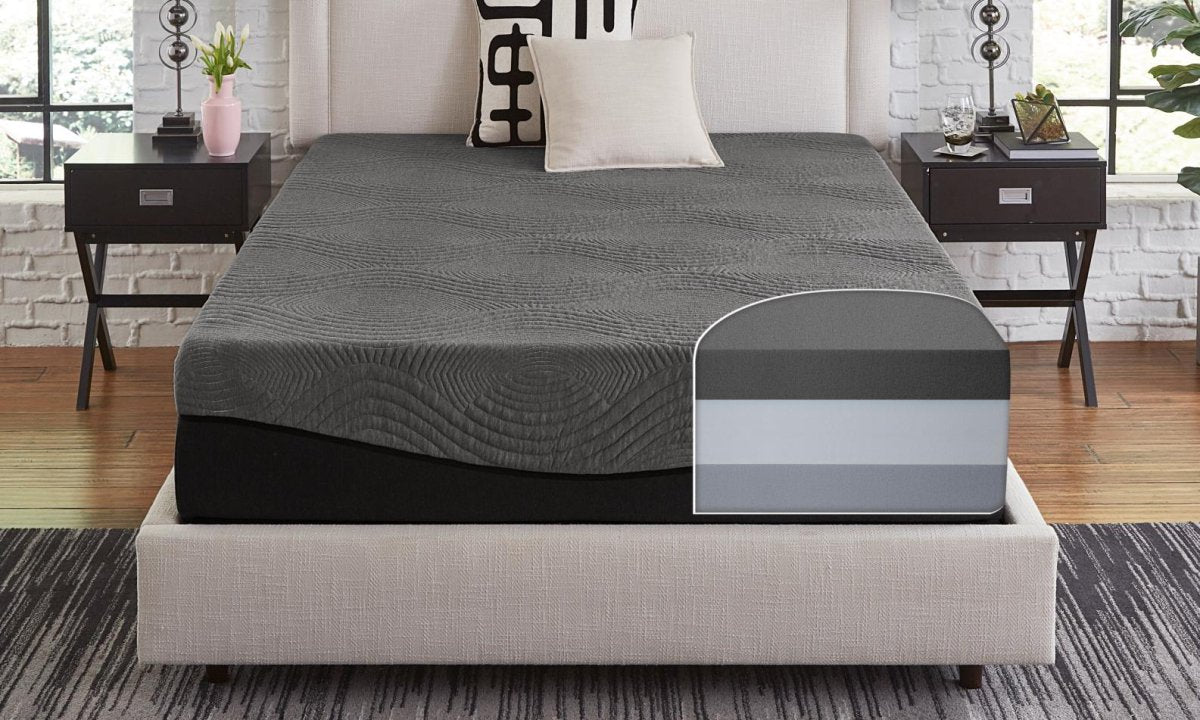
If waking up hot is your nightly battle, the Sandman 14" Cooling Hybrid pairs a cooling design with hybrid support to address exactly that. Not sure which feel fits your body and position? Find your firmness in our quick firmness match guide before you decide. And because cost shouldn't be the reason you keep losing sleep, ask about 0% APR financing from $29/month — quality support, spread out affordably.
Skip the upgrade if: your bed is newer and comfortable and your sleep trouble is mostly schedule- or stress-related — fix the routine first. A mattress solves comfort and support, not late-night work emails.
Frequently asked questions about the effects of sleep deprivation
Is one bad night of sleep harmful, or is chronic sleep loss the real problem?
One bad night measurably slows your reaction time and worsens your mood the next day, but it won't damage your long-term health. The serious risks — hypertension, diabetes, heart disease, higher mortality — are associated with chronic short sleep over weeks to years, not a single rough night. Even inflammation only rose after 3 or more short nights in a 2025 meta-analysis.
How long does it take to recover from sleep deprivation?
Most people bounce back from a single sleepless night within a day or two of normal sleep. A 2025 experimental study found cognitive performance partially recovers depending on circadian timing, but "sleep debt" from chronic short sleep takes longer and isn't fully repaid by one long weekend lie-in. Consistent nightly sleep matters more than occasional catch-up.
Does sleep loss really raise heart disease and diabetes risk?
It's associated with both. A 2025 umbrella review of 29 reviews linked short sleep (under 7 hours) to higher risks of hypertension, coronary heart disease, obesity, and type 2 diabetes. But this is observational evidence — confounded by illness, stress, and shift work — so it shows correlation, not proof that sleep loss alone causes these conditions.
What is the difference between sleep deprivation and sleep deficiency?
Sleep deprivation simply means not getting enough hours. NIH's broader term "sleep deficiency" also includes sleeping at the wrong time, sleeping poorly, or having a sleep disorder that prevents adequate rest. You can spend eight hours in bed and still be sleep deficient if that sleep is fragmented or mistimed.
Does sleep deprivation make driving and work accidents more likely?
Yes. Cleveland Clinic notes that about 24 hours awake can produce impairment resembling alcohol intoxication, and NIH states sleep deficiency increases the likelihood of injuries. Microsleeps — brief involuntary lapses — are especially dangerous behind the wheel because they happen without warning.
When should I see a doctor about sleep loss instead of managing it at home?
See a clinician if you snore loudly and wake gasping, struggle to fall or stay asleep most nights for several weeks, or feel unrefreshed no matter how long you sleep. These can point to a treatable disorder like sleep apnea or insomnia, which home tweaks alone won't resolve.
Better sleep starts with a better foundation
You can't fix every risk factor for poor health, but you can fix where you sleep — a supportive, comfortable, temperature-regulating mattress is one controllable input you can change this week. After everything the research shows about how chronic short and poor-quality sleep tracks with real health risks, the smartest move is to protect the sleep that's within your reach.
Ready to address one of the few sleep inputs fully in your control? Schedule a personalized in-store appointment at our Huntsville store, or shop online for quality mattresses delivered with free shipping. Because of our buy-one-donate-one mission, your better night's sleep also helps a local family rest easier — and with 0% APR financing from $29/month, cost is never the reason you wait.
This article is educational and not medical advice. If you have ongoing sleep concerns — especially loud snoring, gasping, or insomnia lasting weeks — please talk with a qualified clinician.



Leave a comment
All comments are moderated before being published.
This site is protected by hCaptcha and the hCaptcha Privacy Policy and Terms of Service apply.