
Sleep hygiene is the set of daily habits and bedroom conditions that support healthy sleep — a foundation for better rest, not a cure for insomnia. The honest catch most articles skip: research shows the standalone effect of any single rule is modest, while a combined behavioral approach helps reliably. And for chronic insomnia, the American Academy of Sleep Medicine (2021) recommends therapy first, not habit lists. So which habits actually earn their place? Let's grade them.
Key takeaways
- Sleep hygiene is a foundation, not a treatment. The ACP and AASM recommend cognitive behavioral therapy for insomnia (CBT-I) as first-line for chronic insomnia — not sleep hygiene alone.
- The strongest habits are behavioral: consistent sleep/wake times, morning daylight with dim evening light, and smart timing of caffeine, nicotine, and alcohol.
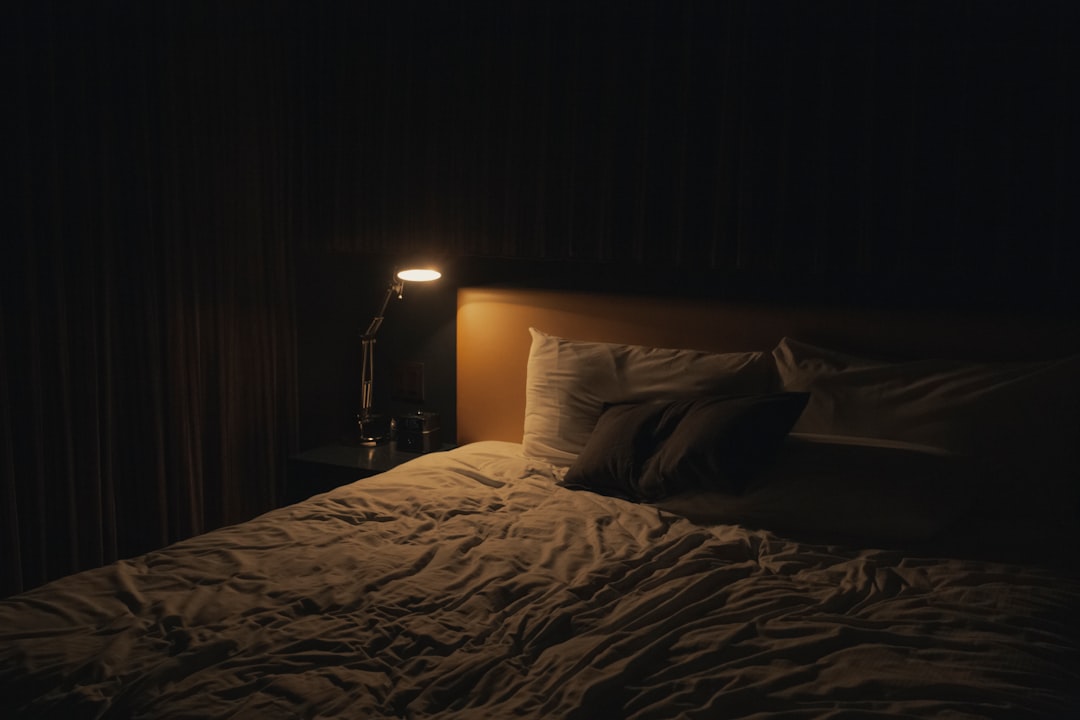
- Your bedroom is the most controllable lever — a cool, dark, quiet room is recommended by every major health authority.
- Mattress comfort is real but individual. Studies support a pressure-relief mechanism, not proof that one mattress improves everyone's sleep.
- Several popular "rules" are overstated — including "everyone needs 8 hours" and "no screens after 8 p.m." as hard cutoffs.
What is sleep hygiene, really?
Sleep hygiene is the package of daily habits and bedroom conditions that support healthy sleep — government sources frame it as part of healthy sleep habits, not a stand-alone cure for insomnia.
The CDC and NIH MedlinePlus both describe these behaviors as supports for better rest rather than treatments. As Lauren Broch, PhD, a psychologist at the Northwell Health Sleep Disorders Center, puts it, sleep hygiene is "a set of evidence-based principles that help people sleep better."
Here's the problem with most sleep advice: every article lists the same ten tips and treats them as equally proven. They aren't. Some habits rest on strong circadian biology. Some are mechanistically plausible but individual. And a few popular slogans are flat-out overstated. This guide grades each one, names the authority behind it, and tells you when habits aren't enough.
If you want the bigger picture on why this matters beyond just feeling tired, our piece on how quality sleep boosts emotional health and happiness connects rest to daytime mood and resilience.

Do sleep hygiene habits actually work?
Yes — but mostly as a multi-component package. As a foundation, combined habits help reliably; single tweaks alone show modest, inconsistent effects in the research.
This is the honest answer competitors usually skip. Tightening one rule — say, cutting late caffeine while ignoring everything else — tends to produce small, variable changes. Stacking several consistent behaviors together is what moves the needle dependably, which is why NHLBI healthy-sleep guidance frames it as a routine rather than a single fix.
To make that useful, the rest of this guide sorts every major habit into three tiers:
- Tier 1 — Strongly supported: consistent timing, light exposure, stimulant timing, a cool/dark/quiet room.
- Tier 2 — Plausible but individual: mattress comfort, breathable bedding, exercise timing, adjustable positioning.
- Tier 3 — Overstated: "8 hours for everyone," hard screen cutoffs, "naps are always bad."
Bottom line: Don't chase one tip. Build the foundation, then refine the lever you sleep on every night.
Which sleep hygiene habits have the strongest evidence?
The strongest-supported habits are consistent sleep/wake times, morning daylight plus dim evening light, smart caffeine/nicotine/alcohol timing, and a cool, dark, quiet bedroom. Each rests on circadian biology, not just convention.
Keep consistent sleep and wake times
A regular schedule is consistently recommended because circadian timing is a major mechanism governing sleep propensity and alertness, per NHLBI and CDC guidance. Your body anticipates sleep based on the clock you train it on.
The practical move: anchor your wake time first, including weekends. A steady morning resets the system even after a rough night. This matters most for families with chaotic schedules and shift-affected households — the very households where consistency is hardest and most valuable.
Get morning daylight and dim the evening light
Light is the strongest "because" in all of sleep hygiene. NIH guidance notes that evening light can shift circadian timing and suppress melatonin, which is why dimming bright light before bed can ease sleep onset.
Two actions cover most of the benefit:
- Morning: get outdoor daylight early — it advances your clock and supports alertness.
- Evening: lower household and screen brightness in the hour before bed.
Time caffeine, nicotine, and alcohol
Caffeine late in the day can delay sleep and reduce quality because its stimulant effect lingers, and nicotine is also a stimulant that interferes with sleep (CDC). The counterintuitive one is alcohol.
Alcohol may make you fall asleep faster, but it worsens sleep continuity and quality later in the night (CDC; NIH). A "nightcap" trades a quick start for a fragmented second half of the night.
If you equate "falling asleep faster" with "sleeping better," this is the myth to drop first — it costs nothing to fix.
Build a cool, dark, quiet bedroom
A cool, dark, quiet room is recommended across authoritative sources because temperature, noise, and light can each fragment sleep or delay onset. As Harvard Health Publishing puts it, "Most people sleep better in a room that's slightly cool."
This is the most directly controllable lever you have — you can't will your circadian rhythm into shape overnight, but you can change your room tonight. If you'd like to see how mattress and bedding choices support a cool, comfortable setup, our Sleep Health & Wellness writing and the curated collection are a low-pressure place to start comparing.

How does your bedroom environment affect sleep?
Temperature, light, and noise can each fragment sleep or delay onset, which is why authorities consistently recommend a cool, dark, quiet room. It's the part of sleep hygiene you can actually buy your way toward improving — within honest limits.
Harvard Health also advises to "use your bedroom only for sleeping and intimacy," reinforcing that the room itself is a cue your brain learns. Three controllable levers do most of the work:
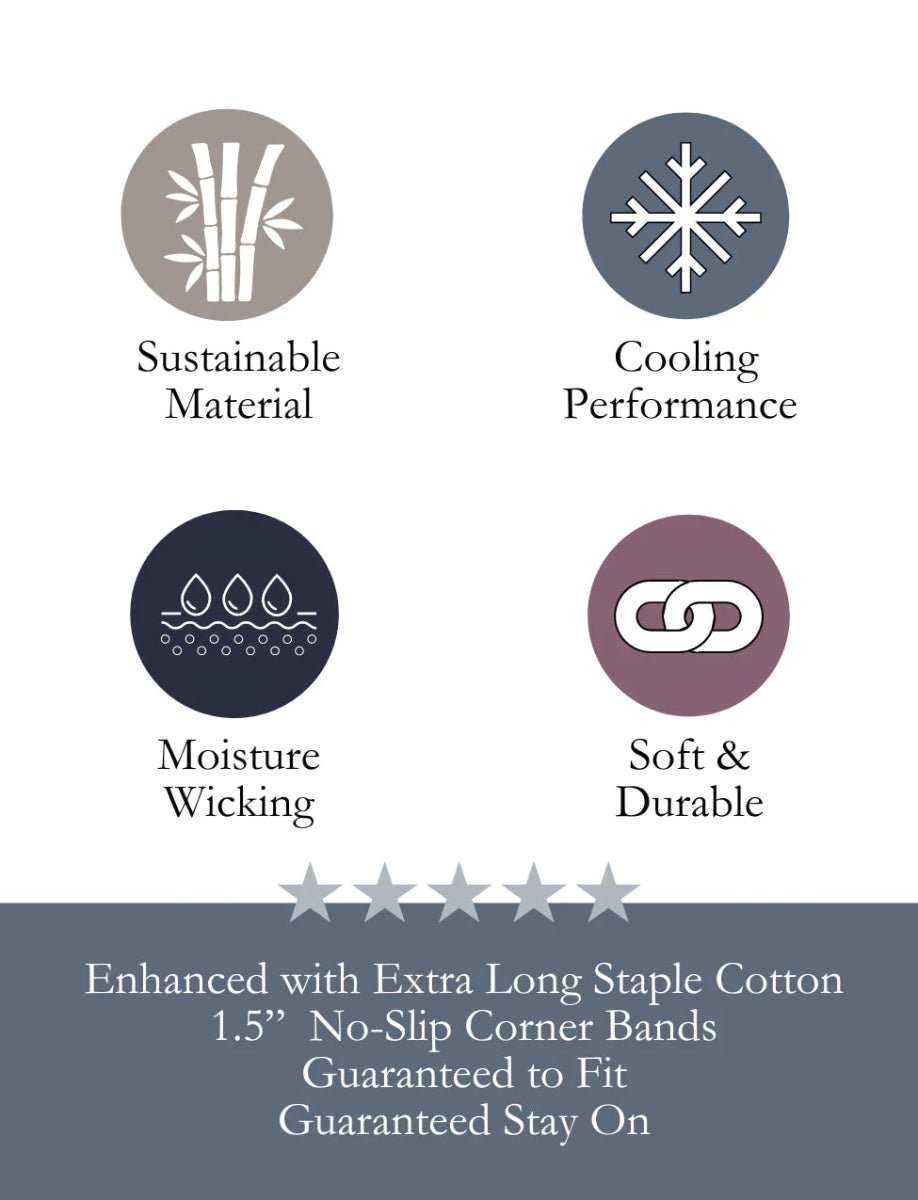
- Temperature: slightly cool is the consensus target. Breathable, temperature-friendly sheets and pillows help heat dissipate instead of pooling around you.
- Light: blackout control reduces evening and pre-dawn light intrusion that can suppress melatonin.
- Noise: steady background sound or insulation reduces the disruptions that cause brief awakenings.
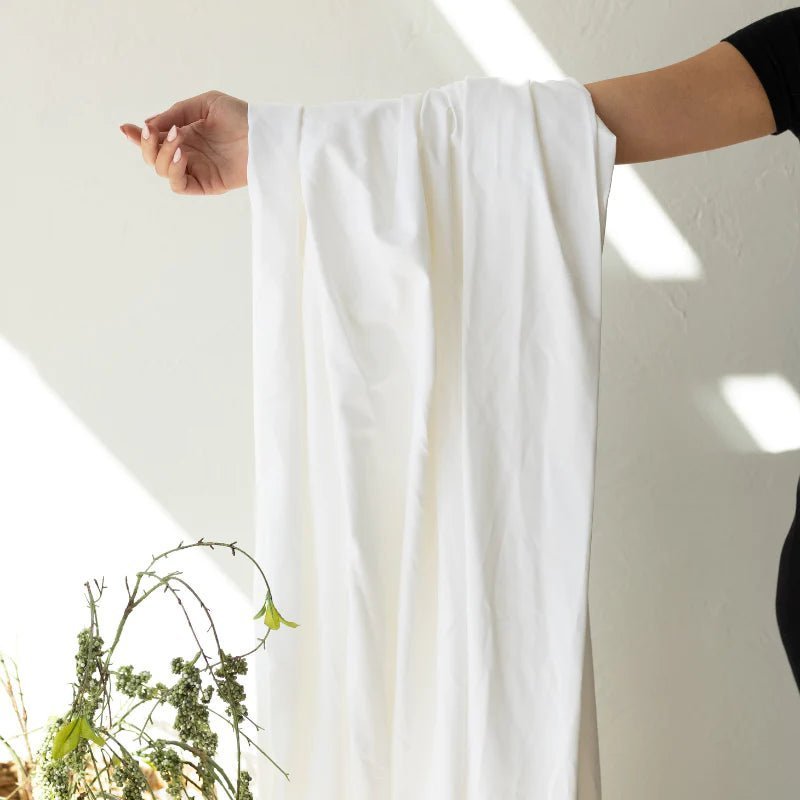
If you sleep hot and wake up clammy, that's exactly the problem breathable textiles address — cooling sheets like the DreamFit Cooling Sheets in Egyptian cotton and a DreamFit Chill Pillow move heat away rather than holding it. A clean, allergen-managed surface helps too; a cooling mattress protector keeps the bed fresh without trapping warmth. None of these "cure" anything — they make the most controllable lever easier to control.
How much does your mattress and bedding actually affect sleep?
Mattress comfort and pressure relief are the most evidence-backed bedding factors — but the right surface is individual, and the studies show a mechanism, not a universal cure. Here's where honesty matters most.
A 2018 biomechanical review of mattress determinants summarized 18 studies published since 2008 and concluded that mattress parameters significantly influence sleeping comfort. It's a narrative review, not a meta-analysis — useful background, not proof of a single best mattress.
On the comfort mechanism specifically, a 2017 study of mattress materials found that latex reduced peak body pressure on the torso and buttocks and produced a more even pressure distribution than polyurethane across sleeping postures. And a 2009 before-after study of new bedding systems in 59 healthy adults (30 women, 29 men) with minor sleep-related back discomfort reported improvements in comfort and perceived stress after replacing beds at least five years old.
The honest caveat — and the most surprising part of the evidence: these mattress studies are mostly small, heterogeneous, and quasi-experimental. They support a pressure-distribution and comfort mechanism. They do not prove any single firmness or material improves sleep for everyone. Medium-firm or preference-matched surfaces look most plausible for broad comfort, but the right surface depends on your body and sleep position.
Match firmness to your body and position
- Side sleepers often need more give at the shoulder and hip to keep the spine neutral and relieve pressure points.
- Back and stomach sleepers usually do better on firmer support that prevents the hips from sinking.
- Couples with different preferences may need a compromise build or zoned support.
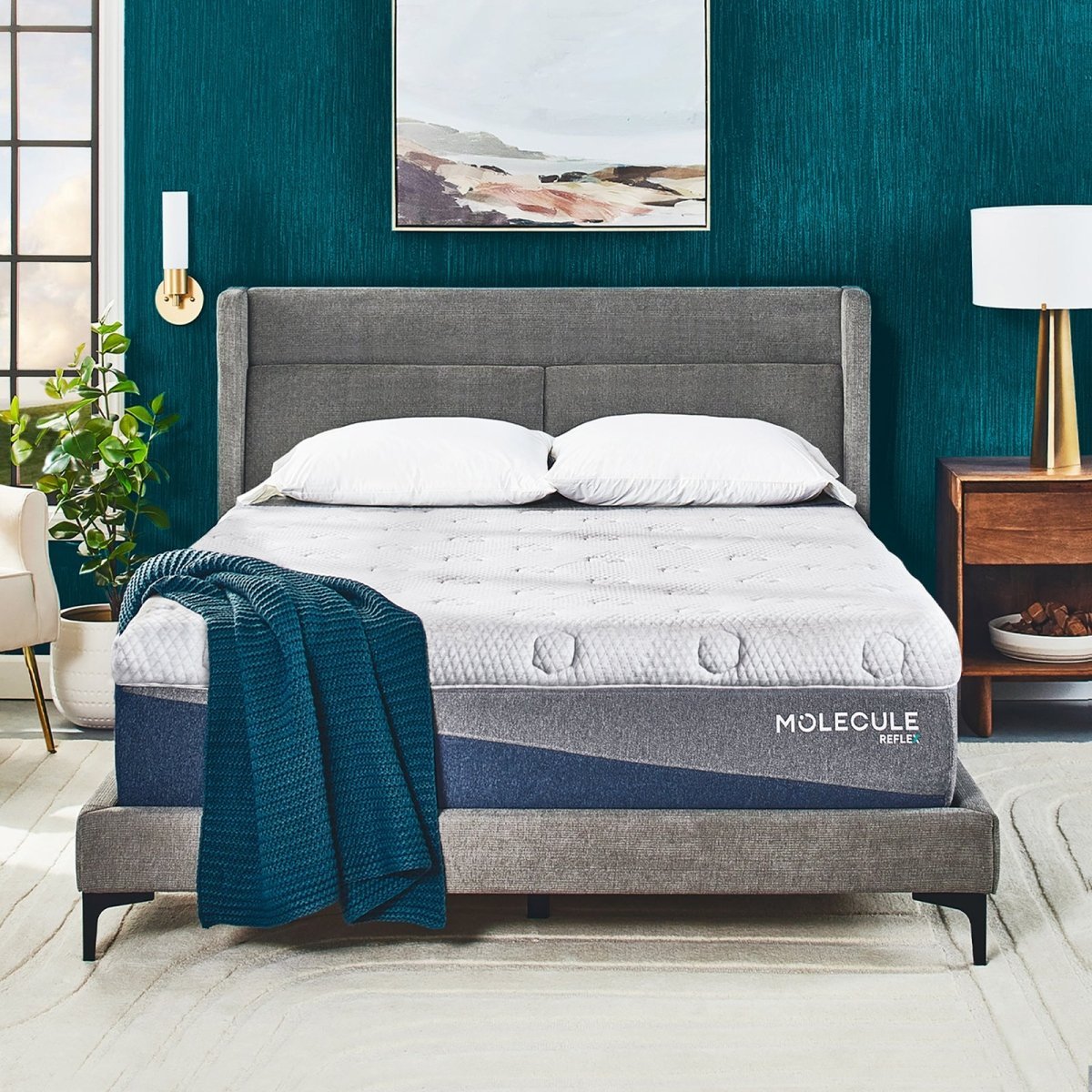
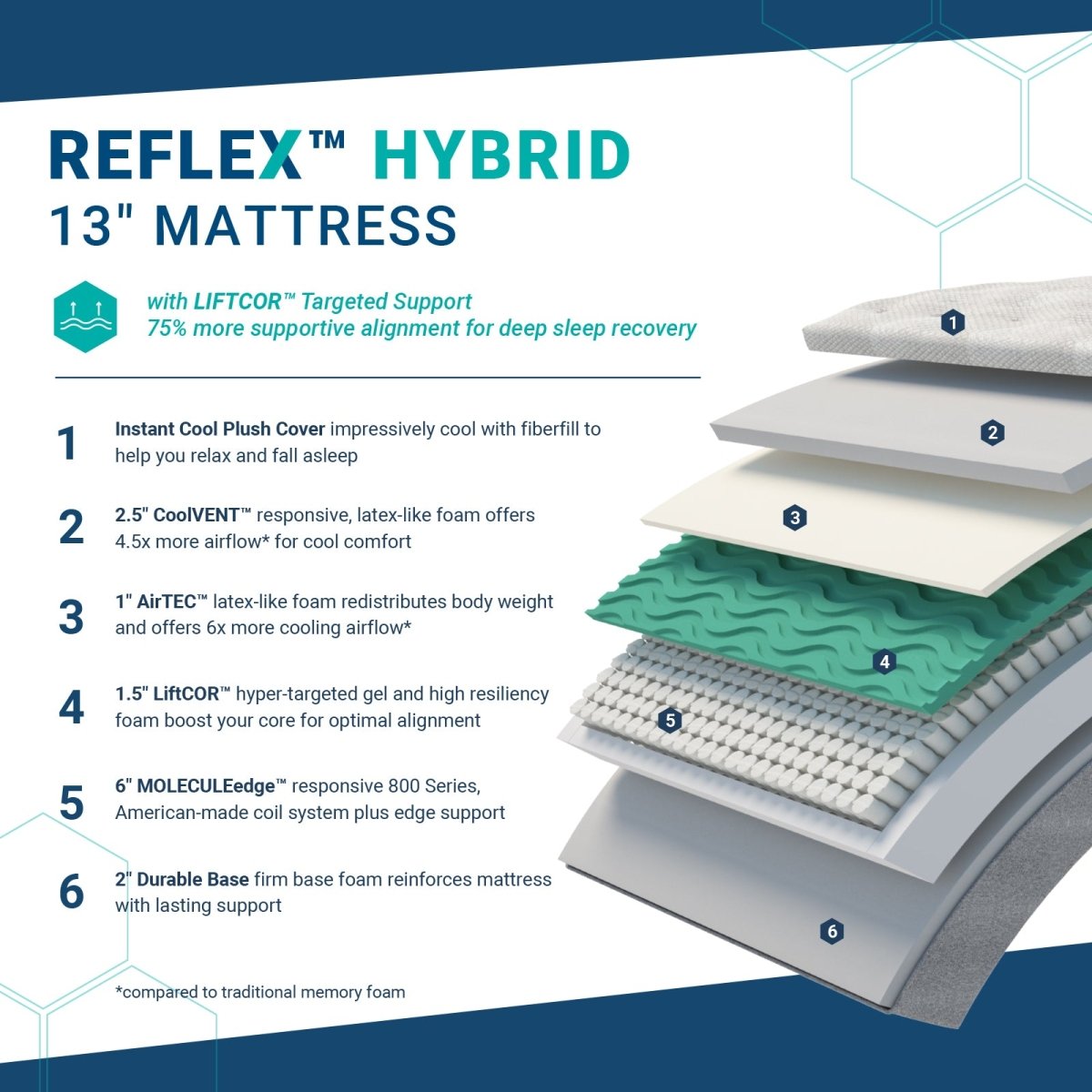
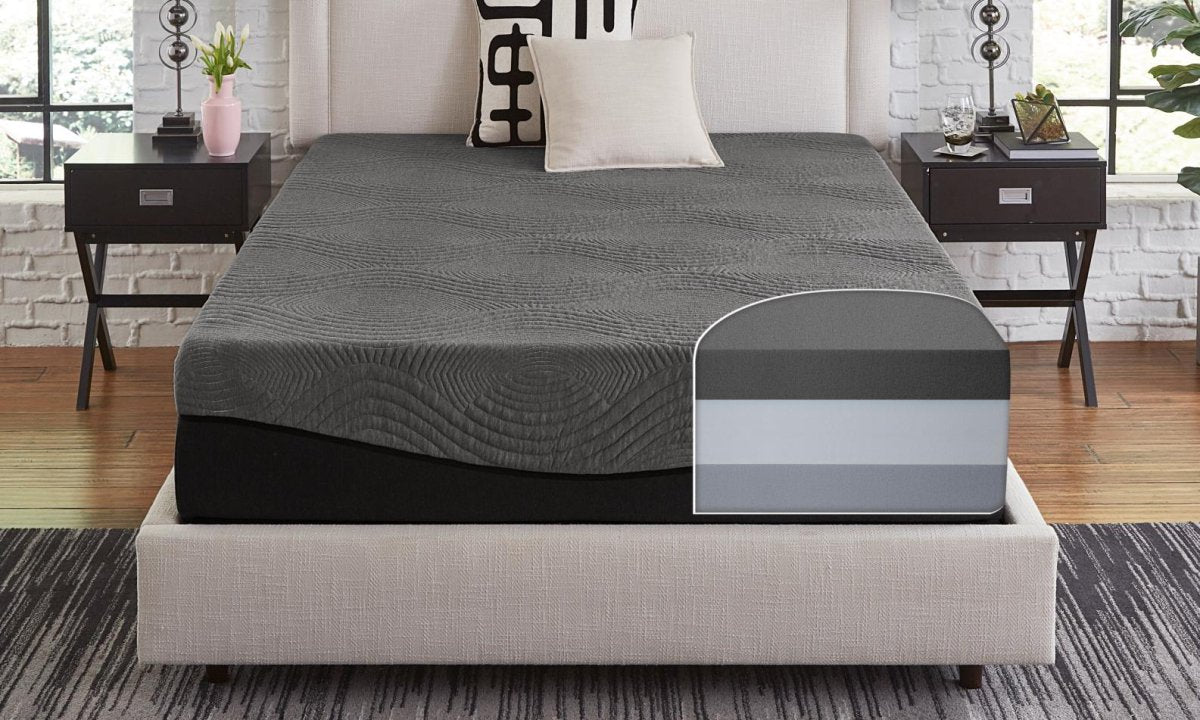
Because the right surface is individual, the most useful next step is matching comfort to you, not chasing a "best mattress" headline. You can browse foam, hybrid, and latex builds in the collection to compare feel, and a build like the MLILY 13" ChiroPro firmer hybrid is a good example of a firmer, supportive pressure-relieving surface for back sleepers. Every mattress purchased also helps fund a donation to a local family — our buy-one-donate-one mission. Skip the upgrade if your current mattress is supportive and comfortable and your sleep trouble is timing- or stress-driven; fix the free habits first. And if you want to try before committing, our guide on how to test a mattress before buying walks through it.
Tier 2 extras: bedding materials, exercise timing, and adjustable bases
Breathable bedding, earlier-day exercise, and adjustable bases for positioning are plausible and worth it for many sleepers, but their benefit is individual rather than universal.
- Temperature-friendly textiles: breathable sheets help heat escape, supporting the cool-room recommendation. Worth it for hot sleepers; optional for those who already sleep comfortably.
- Exercise timing: most adults sleep better with regular physical activity, and not every evening workout impairs sleep — the old "never exercise at night" rule is too absolute for many people.
- Adjustable bases for positioning: raising the head can help some people manage reflux or snoring comfort. An option like the SmartFlex SF300 adjustable base supports flexible positioning.
Important boundary: if you suspect sleep apnea or have persistent reflux, that's a medical evaluation, not a furniture decision. An adjustable base may improve comfort, but it does not treat a sleep disorder. Our overview of adjustable mattresses for sleep disorders explains where positioning helps and where it doesn't — and routes you to a doctor for the rest.
Which popular sleep "rules" are overstated or myths?
Absolutes like "everyone needs 8 hours," "no screens after 8 p.m.," and "naps are always bad" are context-dependent — the truth is more individual than the slogan.
Each of these is true with caveats, not false outright:
- "Everyone needs exactly 8 hours." Eight hours is an average, not a mandate. Individual sleep need varies, and chasing a fixed number can create anxiety that itself harms sleep. NIH guidance frames adequate sleep by how rested and functional you feel, not a universal quota.
- "No screens after 8 p.m." The real lever is brightness and timing, not the clock. Dimming bright evening light matters because of melatonin suppression — a hard cutoff hour is a crude proxy for the actual mechanism.
- "Naps are always bad." Long, late, irregular naps can disrupt nighttime sleep and are common CBT-I targets. But short, well-timed naps aren't universally harmful, especially for shift workers or the sleep-deprived.
Bottom line: treat these as starting points to personalize, not commandments to obey. Refusing to repeat slogans is exactly how you separate real guidance from filler.
Is sleep hygiene enough if I have insomnia?
No. For chronic insomnia, cognitive behavioral therapy for insomnia (CBT-I) is the first-line treatment recommended by the American College of Physicians and the AASM — sleep hygiene alone is not.
The American College of Physicians (2016) and the AASM (2021) clinical practice guideline both recommend CBT-I as first-line for chronic insomnia, and sleep hygiene is not endorsed as a standalone treatment when symptoms are persistent.
CBT-I is a structured, evidence-based program — typically including stimulus control, sleep scheduling, and reframing unhelpful thoughts about sleep — delivered with a clinician. See a doctor if you have persistent trouble falling or staying asleep, daytime impairment, or signs of a sleep disorder like loud snoring with breathing pauses.
No product treats insomnia. A comfortable mattress, cool sheets, or an adjustable base can make a good night easier — they are not medical treatment. If poor sleep is chronic, the helpful next step is a clinician, not a purchase. This is sleep-wellness information, not medical advice; consult a healthcare professional about persistent sleep problems.
Sleep hygiene habits ranked by evidence
Here's every major habit sorted by evidence strength, the mechanism behind it, and the authority backing it — at a glance.
| Habit | Evidence strength | Why it works (mechanism) | Source authority |
|---|---|---|---|
| Consistent sleep/wake times | Strong | Circadian timing governs sleep propensity and alertness | NHLBI, CDC |
| Morning daylight + dim evening light | Strong | Light shifts circadian phase and melatonin timing | NIH MedlinePlus |
| Limit late caffeine & nicotine | Strong | Stimulants delay onset and reduce sleep quality | CDC, NIH |
| Limit alcohol near bedtime | Strong | Speeds onset but fragments later-night sleep | CDC, NIH |
| Cool, dark, quiet room | Strong | Temperature/light/noise can fragment or delay sleep | Harvard Health, CDC, NHLBI |
| Mattress comfort & pressure relief | Plausible — individual | Even pressure distribution improves comfort | 2018 biomechanical review; 2017 material study |
| Breathable, temperature-friendly bedding | Plausible — individual | Supports the cool-room mechanism | Harvard Health (cool room) |
| Earlier-day exercise | Plausible — individual | Regular activity supports sleep; timing varies | NIH guidance |
| Adjustable base for positioning | Plausible — individual | Positioning comfort (reflux/snoring); not a cure | General category guidance |
| "Everyone needs 8 hours" | Overstated | An average, not a fixed individual requirement | NIH MedlinePlus |
| "No screens after 8 p.m." (hard cutoff) | Overstated | Brightness/timing matter more than the clock | NIH (light mechanism) |
| "Naps are always bad" | Overstated | Short, well-timed naps aren't universally harmful | AASM, NIH |
What's the best bedtime routine for busy or budget-conscious families?
Anchor a consistent wake time, dim lights an hour before bed, cut late caffeine, and prioritize the highest-impact, lowest-cost environment fixes first — then upgrade the surface you sleep on.
This routine works around chaotic schedules and shift work because it leads with the free, high-evidence habits, per Mayo Clinic sleep-habit guidance:
- Pick one wake time the whole household can keep, including weekends. This is free and the single most stabilizing move.
- Dim the house an hour before bed — lower screen brightness and overhead lights to support melatonin timing.
- Stop caffeine in the early afternoon and treat alcohol as a sleep disruptor, not a sleep aid.
- Cool and darken the bedroom. A fan, blackout curtains, and breathable sheets cover most of this cheaply.
- Then upgrade the surface if your mattress is old or uncomfortable.
For budget-conscious families, the smartest first purchases are the low-cost wins: breathable sheets like the DreamFit Comfort microfiber sheets and a mattress protector to keep the surface fresh. When you're ready for a new mattress, financing from $29/mo (0% APR) makes a comfort upgrade manageable — ask our sleep team to confirm current terms for your build.
Building your better-sleep foundation in North Alabama
Start with the habits you control for free, then upgrade the one lever you sleep on every night — with personalized, hands-on guidance. That's the whole order of operations in one sentence.
Habits come first: consistent timing, light, and stimulant management cost nothing and carry the strongest evidence. The bedroom is your most controllable lever, and the mattress is the part of it you spend a third of your life on. Because the right surface is individual, comparing builds by feel beats guessing from a spec sheet.
If you're in Huntsville, Madison, Athens, or Decatur, you can schedule a personalized in-store appointment with our sleep team to match comfort and firmness to your body and sleep position hands-on. Prefer to compare from home? Browse the curated collection of foam, hybrid, and latex builds with free shipping. Ask about financing from $29/mo (0% APR) if that helps — and know that every mattress purchase helps us donate one to a local family in need through our buy-one-donate-one mission.
Sleep hygiene FAQ
Is sleep hygiene enough to fix my insomnia, or do I need treatment?
For chronic insomnia, sleep hygiene alone is not enough. The American College of Physicians (2016) and the AASM (2021) recommend cognitive behavioral therapy for insomnia (CBT-I) as the first-line treatment. Good habits support sleep, but persistent symptoms warrant a clinician's evaluation rather than self-managed tips or any product.
How do caffeine, alcohol, and nicotine affect my sleep?
Caffeine and nicotine are stimulants that can delay sleep and reduce its quality when taken late in the day, per the CDC. Alcohol is the trickiest: it may help you fall asleep faster but worsens sleep continuity later in the night. Feeling drowsy after a drink does not mean you're sleeping better.
Does my mattress really affect how well I sleep?
Mattress comfort and pressure relief are the most evidence-backed bedding factors, but the effect is individual. A 2017 study found latex distributed body pressure more evenly than polyurethane, and a 2018 review of 18 studies linked mattress design to comfort. These show a mechanism, not proof one mattress improves everyone's sleep — match firmness to your body and position.
Are there eco-conscious bedding choices that support better sleep?
Yes — breathable natural-fiber textiles and certain mattress builds can support both a cooler sleep surface and lower-impact materials. The benefit to your sleep comes mainly from breathability and temperature control, which align with the cool-room recommendation. Our overview of eco-friendly mattresses explains what to look for.
What are the cheapest sleep-hygiene upgrades that actually work?
The highest-value upgrades are free: a consistent wake time, dimming evening light, and cutting late caffeine. After that, low-cost environment fixes matter most — blackout curtains, a fan to keep the room cool, and breathable sheets. Spend on the surface you sleep on only once the free habits are in place.
When should poor sleep be evaluated by a doctor instead of fixed with habits?
See a doctor when sleep problems are persistent, cause daytime impairment, or come with warning signs like loud snoring with breathing pauses. Chronic insomnia is best treated with CBT-I under professional guidance. This article is sleep-wellness information, not medical advice — consult a healthcare professional about ongoing sleep concerns.

Leave a comment
All comments are moderated before being published.
This site is protected by hCaptcha and the hCaptcha Privacy Policy and Terms of Service apply.