
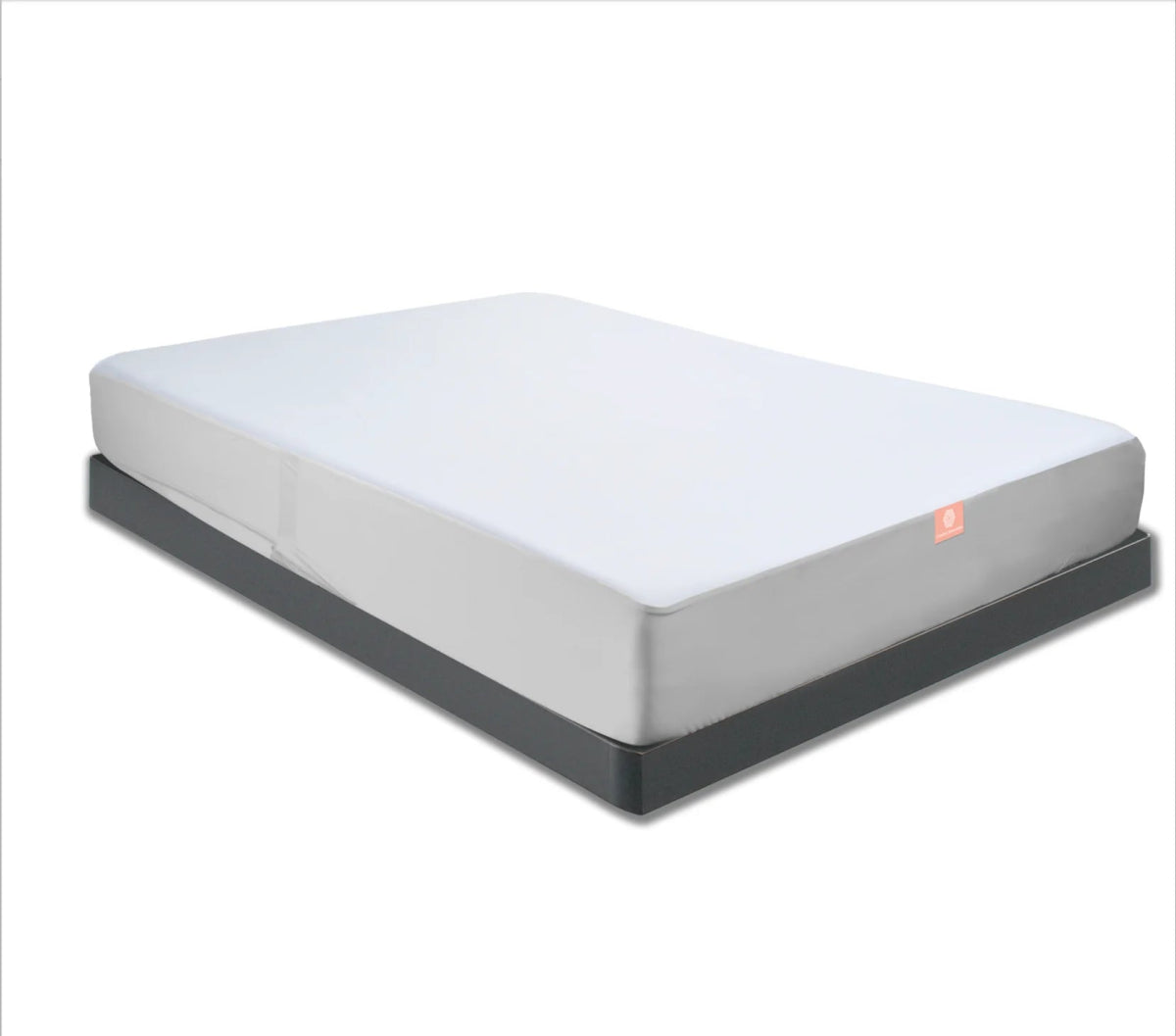
A mattress protector covers only the top surface against spills, sweat, and surface allergens; a mattress encasement zips around all six sides for full bed-bug, dust-mite, and moisture protection. Most people need just one, not both. According to the Sleep Foundation, the difference comes down to coverage — and that single fact decides your pick. Here's how to choose with confidence.
Key takeaways
- Protector = 5-sided. A fitted, top-surface cover for everyday spills, sweat, and skin debris — breathable and easy to wash.
- Encasement = 6-sided. A zippered vault sealing all six sides against bed bugs, dust mites, and deep moisture.
- Most households need one, not both. A combined dual-layer setup is reserved for severe allergies paired with bed-bug risk.
- Hot sleepers usually want a breathable protector — sealing all six sides reduces airflow.
- Either helps preserve warranty eligibility, since manufacturers often exclude stained or soiled mattresses — always check your own care terms.
What's the difference between a mattress protector and an encasement?
A protector covers only the top of the mattress like a fitted sheet; an encasement zips fully around all six sides, including the underside, to seal the mattress inside. That 5-sided versus 6-sided distinction is the whole decision.
As the Sleep Foundation puts it: "A mattress protector shields only the sleep surface, while a mattress encasement completely surrounds the mattress — including the underside." A protector is your everyday shield against spills, sweat, and skin debris. An encasement is a sealed barrier built for bed bugs, dust mites, and deep moisture.
For most people, the right answer is one or the other — picked to match your household. Now that you know both categories exist, you can view our DreamFit Comfort protectors and encasements to see the builds side by side as you read on.
Quick verdict: which one is right for you?
Choose a protector for everyday spills, sweat, and breathability; choose an encasement for severe allergies, dust mites, bed bugs, or full mattress security. Use these two lists to settle it fast.
Choose a mattress protector if you:
- Have kids or pets and want easy spill and accident cleanup
- Sleep hot and prioritize breathability
- Want a cover you can machine-wash on a regular schedule
- Mainly need surface protection from sweat, oils, and daily wear
- Are protecting a new mattress against staining without bed-bug or severe-allergy concerns
Choose a mattress encasement if you:
- Have severe dust-mite allergies or asthma and want all-six-side allergen control
- Live in or travel through bed-bug-risk settings (rentals, dorms, hotels, multi-unit housing)
- Want full coverage including the mattress underside and sides
- Are protecting a long-term investment and want maximum security
Still on the fence? You can compare encasement builds in our bedding collection while the details below sharpen your choice.
What is a mattress protector?
A mattress protector is a fitted, five-sided cover that shields the top sleep surface from spills, sweat, skin debris, and surface allergens. It slips on like a fitted sheet and leaves the underside open.
The Sleep Foundation describes it simply: "A mattress protector keeps the top of your mattress free of dust, dirt, skin particles, and other debris." Protectors come in waterproof and non-waterproof versions, and they're commonly made from terry cloth, polyester/lycra blends, or vinyl-backed fabrics that repel liquid while still letting the surface breathe.
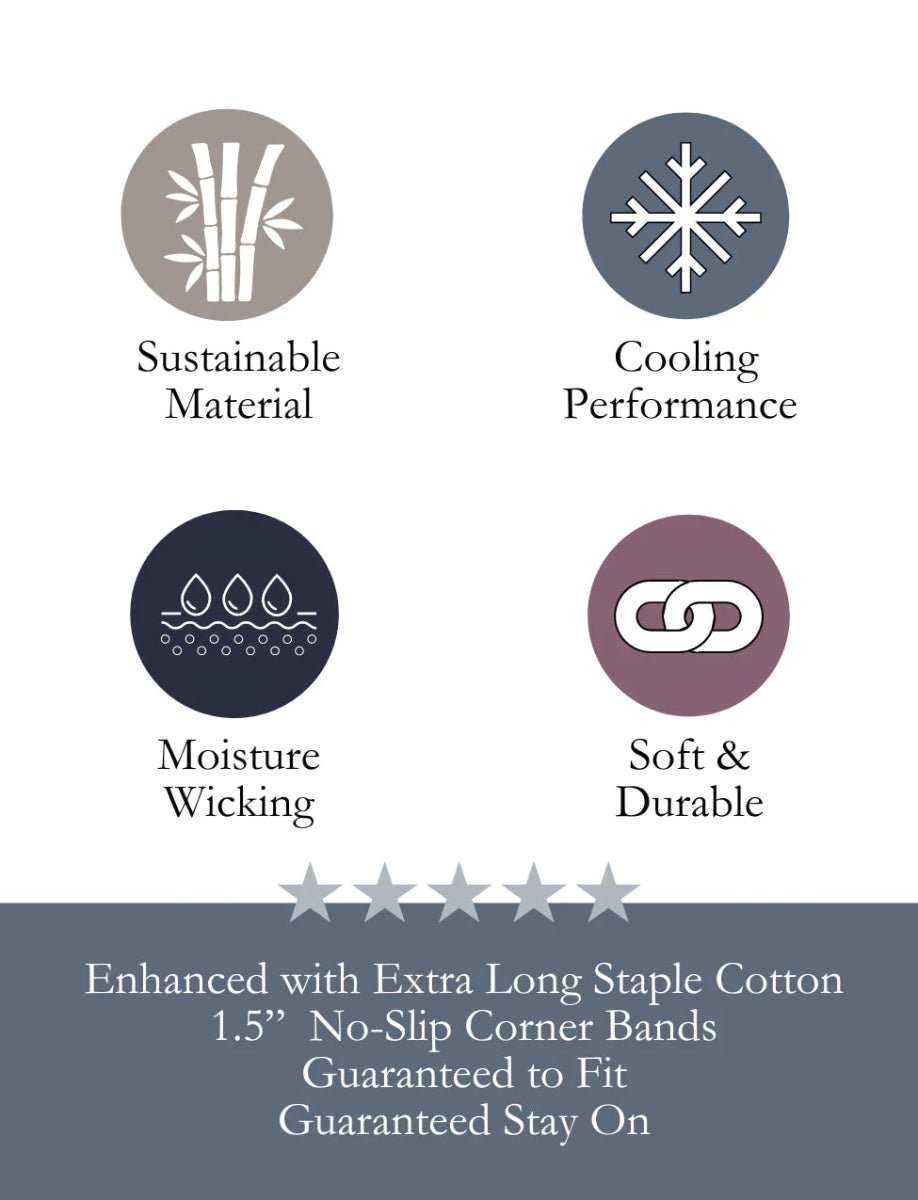
Because a protector only covers the top, it's the more breathable, easier-to-launder choice for daily use. You pull it off, wash it, and put it back — no zippers, no wrestling the mattress. For families and hot sleepers, that convenience is the main draw. If breathability matters most to you, a cooling protector build keeps the surface guarded without trapping heat.
What are the benefits of a waterproof mattress protector?
A waterproof protector blocks liquid from spills, sweat, and accidents before it reaches the mattress, guarding against staining, odor, and warranty-voiding damage. That barrier is the single biggest reason families with kids and pets buy one.
- Spill and accident barrier: stops bed-wetting, drinks, and pet messes from soaking into foam or coils.
- Sweat and oil control: keeps body moisture off the sleep surface, which helps with odor and hygiene.
- Surface allergen reduction: limits the dust and skin debris that settle on top of the bed.
- Warranty preservation: helps keep a mattress free of the stains that commonly void coverage.
One note on comfort claims: a 2024 field study published in Sleep tracked 33 healthy adults across 973 nights and found that a cooling mattress protector reduced sleep-onset latency by about 7 minutes versus baseline, with improved self-reported comfort. That's promising, product-specific evidence for one cooling protector — not proof that every protector helps you fall asleep faster. A chill-style protector is the build to look at if heat is your concern.

What does a mattress encasement do?
An encasement fully zips around all six sides of the mattress — top, bottom, and four sides — creating a sealed barrier against bed bugs, dust mites, and deep moisture. Think of it as a vault rather than a cover.
The Sleep Foundation notes that "a mattress encasement surrounds the mattress on all sides, protecting against everything a mattress protector does and more," and that "encasements offer a greater degree of protection from moisture, allergens, and bed bugs."
The bed-bug barrier is the encasement's defining advantage. Bed bugs lack teeth and cannot bite through a properly sealed encasement, so the material both keeps new bugs out and traps any already inside where they cannot reach you. A zipper or seal closes the whole thing off.
In a 2001 clinical study of anti-allergic mattress covers in adults with asthma, published in PMC, fully enclosing the mattress substantially reduced house dust mite allergen levels in dust samples.
That said, the same study was not designed to prove a symptom benefit from the encasement alone — a distinction we'll return to in the allergy section. If full coverage is your goal, the DreamFit Comfort encasement seals all six sides.
Mattress protector vs encasement: how do they compare side by side?
Protectors win on breathability, washing ease, and lower cost; encasements win on bed-bug, dust-mite, and full moisture protection across all six sides. The table below lays it out row by row.
| Feature | Mattress Protector | Mattress Encasement |
|---|---|---|
| Coverage | 5-sided (top surface only) | 6-sided (top, bottom, all four sides) |
| Best for | Everyday spills, sweat, families, hot sleepers | Severe allergies, bed-bug risk, full asset protection |
| Bed-bug protection | Limited — top only | Sealed barrier bugs can't bite through or escape |
| Allergen/dust-mite control | Surface only | Full enclosure — reduces dust mite allergen exposure |
| Moisture/waterproofing | Waterproof options for the top surface | Waterproof options sealing the whole mattress |
| Breathability | Higher (open underside) | Lower (sealed all sides) |
| Ease of cleaning | Machine-wash quarterly, easy removal | Leave on; spot-clean and wash infrequently per label |
| Durability | Durable; replaced more often with frequent washing | Built to stay on long-term |
| Relative cost | Generally lower | Generally higher |
| Warranty support | Helps keep mattress stain-free | Helps keep mattress stain-free |
Want to feel the difference in materials? You can compare protector and encasement builds in our bedding collection and match one to your household.
Do you need both a mattress protector and an encasement?
Usually no — most people need just one. Pick a protector for everyday spills or an encasement for full allergen and bed-bug security. Doubling up rarely adds protection a single product doesn't already deliver.
The reasoning competitors skip: an encasement already covers everything a protector does, plus the sides and underside. Adding a protector on top mostly adds laundry, not safety. So for the typical household, the two products solve the same problem from different angles — you choose the one that fits your biggest concern.
The one exception is the professional dual-layer strategy. As MattressNerd describes it, you keep a permanent encasement on as a sealed base layer and add a washable 5-sided protector on top that you launder quarterly. This gives you a sealed bed-bug and allergen barrier underneath plus an easy-to-clean surface you refresh often.
When is that worth it? Realistically, only when severe allergies and bed-bug risk overlap — or in rental and short-term-stay settings where contamination risk is constant. For most families, it's more than you need. Be honest with yourself about the threat you're actually managing, and check whether your mattress warranty sets any care expectations before deciding.
Are mattress encasements breathable enough for hot sleepers?
Encasements reduce airflow more than protectors because they seal all six sides, so hot sleepers may prefer a breathable protector or a cooling build. This is the encasement's honest trade-off.
When you wrap a mattress in a continuous, often waterproof barrier, you limit the air movement that normally helps heat escape. Vinyl or polyurethane waterproofing — the same materials that make an encasement effective against liquids and dust mites — can trap warmth against your body. For someone who already runs hot at night, that's a real downside, not a footnote.
Bottom line: if you sleep hot and have no bed-bug or severe-allergy concern, a breathable cooling protector is the better fit. You get spill and sweat protection without the sealed-in heat. Pairing a cooling protector with breathable, moisture-wicking sheets like our DreamFit Cooling Egyptian Cotton sheets keeps the whole sleep surface cooler. If heat regulation is your priority and you're rethinking the mattress itself, our mattress buying essentials guide covers cooling builds in depth.
Which is best for allergies and asthma?
An encasement offers stronger allergen and dust-mite control, but research shows allergen levels drop more reliably than asthma symptoms improve. That candid distinction matters when you're spending money to feel better.
The mechanism is sound: fully enclosing a mattress cuts your exposure to house dust mite allergen, which the 2001 PMC study documented as a substantial reduction in allergen found in dust samples. But the clinical picture is mixed. Cleveland Clinic notes that real-world symptom outcomes from hypoallergenic covers are inconsistent — covers alone often aren't enough to resolve allergy or asthma symptoms.
WebMD reaches a similar conclusion: dust-mite-proof covers are one reasonable layer of an allergy-control routine, most effective alongside washing bedding in hot water and managing bedroom humidity — not as a standalone cure.
So what should an allergy sufferer do? An encasement is the strongest single barrier available and a worthwhile first move if dust mites are your trigger — just keep expectations realistic and pair it with the rest of your routine. Allergy-prone shoppers can compare encasement builds in our bedding collection to find the right seal and fabric for your bed.
This article is educational and not a substitute for medical advice. If you have allergies or asthma, talk with your healthcare provider about the right management plan for you.
Can a mattress protector or encasement keep my warranty valid?
Often yes — manufacturers commonly require mattresses be kept free of stains and damage, and protection helps preserve that eligibility. Always confirm your specific warranty's care terms before relying on it.
The Sleep Foundation points out that both products "provide protection that can extend the life of a mattress and keep a warranty valid." The common thread across warranties: a stain or soil mark can void coverage, even for an unrelated defect. A protector or encasement removes that risk by keeping liquids off the mattress entirely.
Because terms vary by manufacturer, don't assume — read your own warranty's care section. Our guide on demystifying mattress warranties walks through the clauses that most often trip buyers up, including stain and care requirements.
How do you protect a new mattress from day one?
Add protection before the first night, choose waterproof if you have kids or pets, check your warranty's care terms, and wash on schedule. Doing it from day one is the cleanest way to keep a new mattress in warranty-eligible condition.
- Put protection on before first use. The first night is when accidental spills and sweat begin — cover the mattress before anyone sleeps on it.
- Pick waterproof if there's spill risk. Households with kids, pets, or anyone who eats or drinks in bed should default to a waterproof build.
- Match the product to your need. Choose a protector for daily spills and breathability, or an encasement for allergies and bed-bug security.
- Confirm warranty care requirements. Check whether your manufacturer expects the mattress kept stain-free, and keep your protection in place to meet it.
- Launder on a schedule. Wash a protector roughly quarterly per its care label; leave an encasement on and follow its infrequent-wash guidance.
New to buying online and want the full setup right? Our step-by-step guide to buying a mattress online covers protection alongside sizing and delivery — and if you're still deciding on size, see what size mattress you need first so your cover fits perfectly.
How do you clean a mattress protector vs. an encasement?
Machine-wash a protector quarterly per its care label; leave an encasement on permanently, spot-clean it, and follow the manufacturer's infrequent-wash guidance. The cleaning routines are nearly opposite — and that difference is by design.
Protector care (wash-often):
- Machine-wash about every three months, or right after a spill or accident
- Tumble or air dry per the care label
- Easy to remove and replace, like laundering a fitted sheet
Encasement care (leave-on):
- Keep it sealed on the mattress as a permanent base layer
- Spot-clean surface messes rather than removing it
- Wash infrequently per the label — frequent laundering stresses the zipper and barrier seal that make it effective
This is exactly why the dual-layer strategy exists: the encasement stays put and the protector takes the regular washing. For a broader routine, our mattress care essentials round out how to keep a bed fresh for years.
How to choose the right one at DreamFit
Match your pick to your household: protectors for families, pets, and hot sleepers; encasements for severe allergies, bed-bug peace of mind, or new-mattress protection. Here's the quick mapping.
- Families with kids or pets: a waterproof protector for fast spill and accident cleanup.
- Allergy and asthma sufferers: a 6-sided encasement for the strongest dust-mite barrier.
- Hot sleepers: a breathable cooling protector that guards the surface without trapping heat.
- New-mattress owners: protection from night one to safeguard comfort and warranty eligibility.
Whichever fits, you can find your match in our bedding collection and compare the builds side by side. As a mission-driven, community-focused local retailer, every purchase also supports our buy-one-donate-one program for families across North Alabama.
Prefer a hands-on choice? Schedule a personalized in-store appointment at our Huntsville showroom, or text or call our sleep team for bespoke recommendations matched to your mattress and household. If you're bundling protection with a new mattress, ask about our financing options at checkout — our team can walk you through current terms.
Mattress protector vs encasement: frequently asked questions: which is better?
What is the main difference between a mattress protector and an encasement?
A protector is a 5-sided, fitted cover that shields only the top sleep surface, while an encasement zips around all six sides to fully enclose the mattress. The protector handles everyday spills and sweat; the encasement seals against bed bugs, dust mites, and deep moisture.
Which is better for bed bug prevention — a protector or an encasement?
An encasement is far better for bed bugs because it seals all six sides. Bed bugs lack teeth and cannot bite through or escape the sealed material, so a properly fitted encasement both keeps new bugs out and contains any already present. A top-only protector can't do that.
If bed bugs are already in my mattress, can an encasement trap them?
Yes. A correctly sealed encasement traps existing bed bugs inside, where they cannot reach you to bite. Because they can't escape or feed, this containment is a core part of professional bed-bug management — though it works best as one step in a broader treatment plan.
Is a waterproof mattress protector enough to protect against spills?
For everyday spills, sweat, and accidents, a waterproof protector is typically enough — it blocks liquid from reaching the top surface where messes happen. Choose an encasement only if you also need protection on the sides and underside, or full allergen and bed-bug coverage.
Do mattress pads offer the same protection as mattress protectors?
No. Mattress pads mainly add softness and comfort and offer minimal protection against spills or deep contamination. Protectors are built for protection and encasements for security. If guarding your mattress is the goal, choose a protector or encasement rather than a pad.
Which is best for families with kids or pets?
For most families with kids or pets, a waterproof protector is the practical pick. It blocks spills, accidents, and pet messes, removes easily, and washes on a regular schedule. Step up to an encasement only if you're also managing severe allergies or bed-bug risk.


Leave a comment
All comments are moderated before being published.
This site is protected by hCaptcha and the hCaptcha Privacy Policy and Terms of Service apply.