
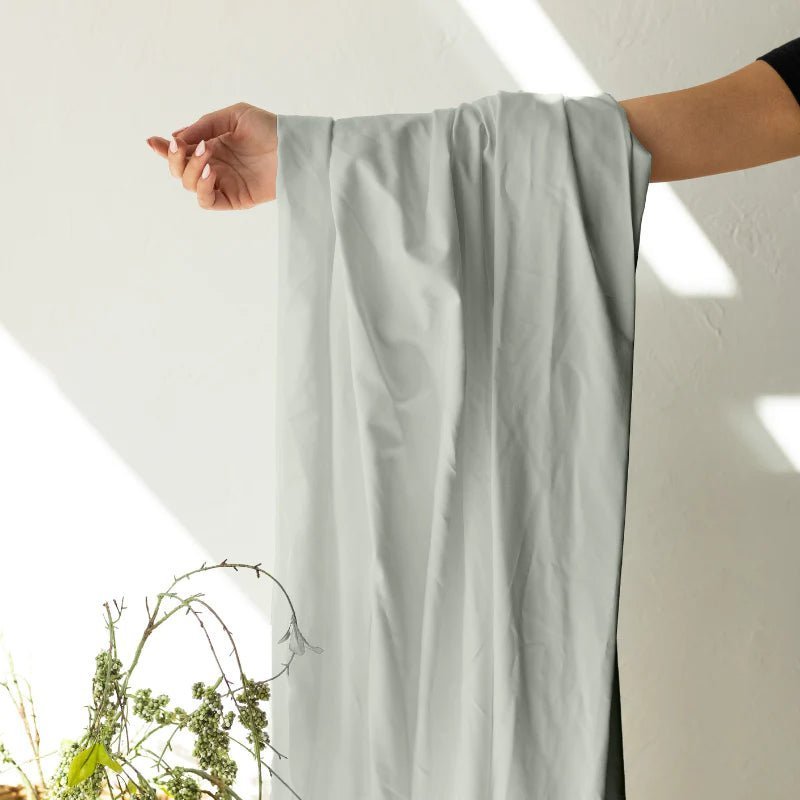
Microfiber sleeps smooth, warm, and low-maintenance; cotton breathes cooler; and Egyptian cotton isn't a separate fabric at all — it's a premium grade of cotton made from extra-long-staple fibers. Pick microfiber if you sleep cold or want easy care on a tighter budget, cotton if you sleep hot or prefer natural fibers, and genuine Egyptian (or other long-staple) cotton if you want the smoothest, longest-lasting cotton. The honest catch you'll learn below: most "cotton sleeps cooler" claims are sound material science, not proven clinical fact.
Key takeaways
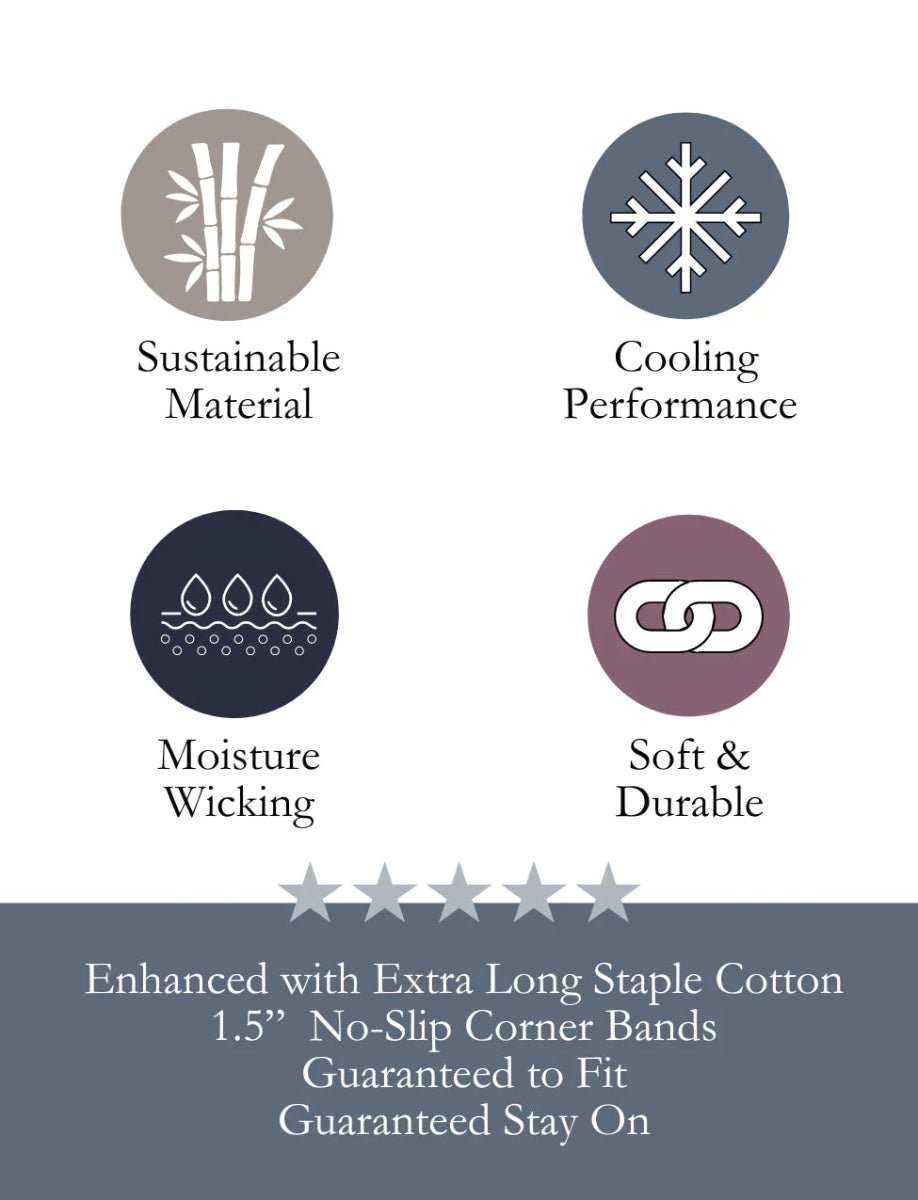
- Microfiber is synthetic (polyester or nylon fibers finer than one denier), smooth, wrinkle-resistant, low-cost, and tends to trap warmth at the surface.
- Cotton is a natural fiber that absorbs and releases moisture well — Cotton Incorporated says cotton can hold up to 27 times its weight in water — so it generally feels cooler and more breathable.
- Egyptian cotton means extra-long-staple (ELS) cotton: longer fibers spun into smoother, stronger yarn. It's a fiber-quality grade, not a guaranteed luxury or a different material.
- No high-quality head-to-head clinical sheet studies exist — cooling claims are material-science inferences and retailer guidance, not proven sleep outcomes.
- Weave matters as much as fiber: percale sleeps crisp, sateen feels silkier and warmer, and a dense weave can defy the stereotype.
If you want to compare these three materials hands-on, our DreamFit microfiber, long-staple cotton, and Egyptian cotton options sit side by side in one curated bedding collection — a useful way to feel the difference while you read.
What's the short answer on each material at a glance?
Microfiber is synthetic, the lowest upfront cost, and the warmest; cotton is natural and more breathable; Egyptian cotton is extra-long-staple cotton prized for smoothness and durability — a cotton upgrade, not a new fabric.
- Microfiber: Ultra-fine synthetic fibers (polyester or nylon). Smooth, very wrinkle-resistant, lowest cost, easy care — but traps heat more easily than cotton. Best for cold sleepers, families, and guest rooms.
- Regular cotton: Natural fiber, breathable, cool, and durable when well made. Wrinkles more and can shrink or fade with washing. Best for hot sleepers and natural-fiber fans.
- Egyptian cotton: A premium category of cotton using extra-long-staple fibers. Smoother, stronger, more pilling-resistant — when the claim is genuine and verified. A cotton subtype, not a standalone fabric.
The Sleep Foundation's microfiber-vs-cotton guide sums up the temperature split plainly: cotton "won't trap heat as easily," while "microfiber traps heat more easily than cotton."
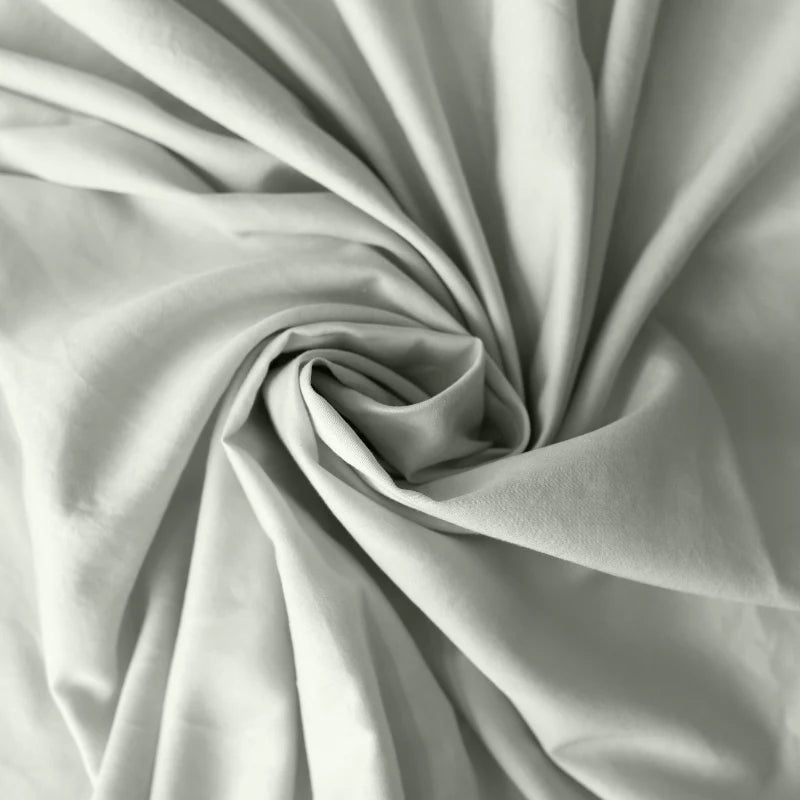
How do microfiber, cotton, and Egyptian cotton sheets compare side by side?
Across feel, breathability, temperature, durability, care, and cost, cotton and Egyptian cotton lead on airflow and longevity while microfiber leads on price, wrinkle resistance, and warmth. Note which claims are evidence-based and which are reasoned inferences.
| Attribute | Microfiber | Regular cotton | Egyptian (ELS) cotton |
|---|---|---|---|
| Feel | Smooth, slightly slick | Crisp or soft (depends on weave) | Smoothest, silkiest |
| Breathability | Lower (inferred) | Higher (inferred) | Higher (inferred) |
| Temperature | Warmer; traps heat (inferred) | Cooler (inferred) | Cooler (inferred) |
| Durability | Resists pilling/fading; retailer estimate ~2–3 yrs* | Good with care | Most durable; retailer estimate ~3–5 yrs* |
| Care | Easiest — wrinkle, stain, fade resistant | Wrinkles; may shrink/fade | Wrinkles; needs gentler care |
| Typical cost | Lowest | Moderate | Highest |
| Best for | Cold sleepers, families, guest rooms | Hot sleepers, eco-conscious buyers | Long-term value, premium feel |
*Longevity ranges are a retailer estimate from Amerisleep's cotton-vs-microfiber guide (long-staple cotton ~3–5 years, microfiber ~2–3 years), not a peer-reviewed finding — treat it as directional. For the cotton side of this table, our DreamFit long-staple cotton sheets are a straightforward way to see what "long-staple" feels like in practice.
What is microfiber, exactly, and who is it best for?
Microfiber is woven from ultra-fine synthetic fibers thinner than one denier — usually polyester or nylon — making it smooth, wrinkle-resistant, low-cost, and warm, but less breathable than cotton.
Because the individual fibers are so fine and tightly packed, microfiber forms a dense surface that resists wrinkles, pilling, and fading, according to Ettitude's textile breakdown. That same density is why fine synthetic weaves tend to hold warmth near the skin rather than letting it dissipate — the mechanism behind microfiber's "sleeps warm" reputation.
Bottom line: microfiber is the easy-care, budget-friendly choice that earns its keep in high-use rooms.
Microfiber is best for whom?
- Cold sleepers who want a sheet that feels cozy and retains warmth.
- Families and kids' rooms where stain and wrinkle resistance matter more than airflow.
- Guest rooms that need durable, fuss-free bedding between visits.
- Value shoppers who want a smooth feel without the cotton price premium.
If that describes your household, our easy-care DreamFit Comfort microfiber sheets are built for exactly this kind of low-maintenance, everyday use — with free shipping on every order.

What makes cotton sheets different, and are they better for hot sleepers?
Cotton is a natural fiber that absorbs and releases moisture well — up to 27 times its weight in water — so it generally feels cooler and more breathable than microfiber. That makes it the usual default for warm sleepers.
That 27x absorption figure comes from Cotton Incorporated's "Cotton and the Consumer", and it explains cotton's feel: the fiber pulls moisture off your skin and lets it evaporate rather than sitting against you. As DZEE Textiles puts it, "cotton sheets are made from natural fibers, offering a breathable, soft, and luxurious feel, while microfiber sheets are made from synthetic fibers."
Weave matters as much as fiber
How cotton is woven changes the experience as much as the cotton itself:
- Percale: a tight, one-over-one-under weave that sleeps crisp and cool — often the hot-sleeper favorite.
- Sateen: a smoother, silkier surface that feels a touch warmer and more lustrous.
- Brushed cotton (flannel): a raised, fuzzy nap that adds cozy warmth for cold months.
Cotton is best for: hot sleepers, warm climates (relevant for North Alabama summers), eco-conscious buyers who prefer natural fibers, and anyone wanting year-round breathability.
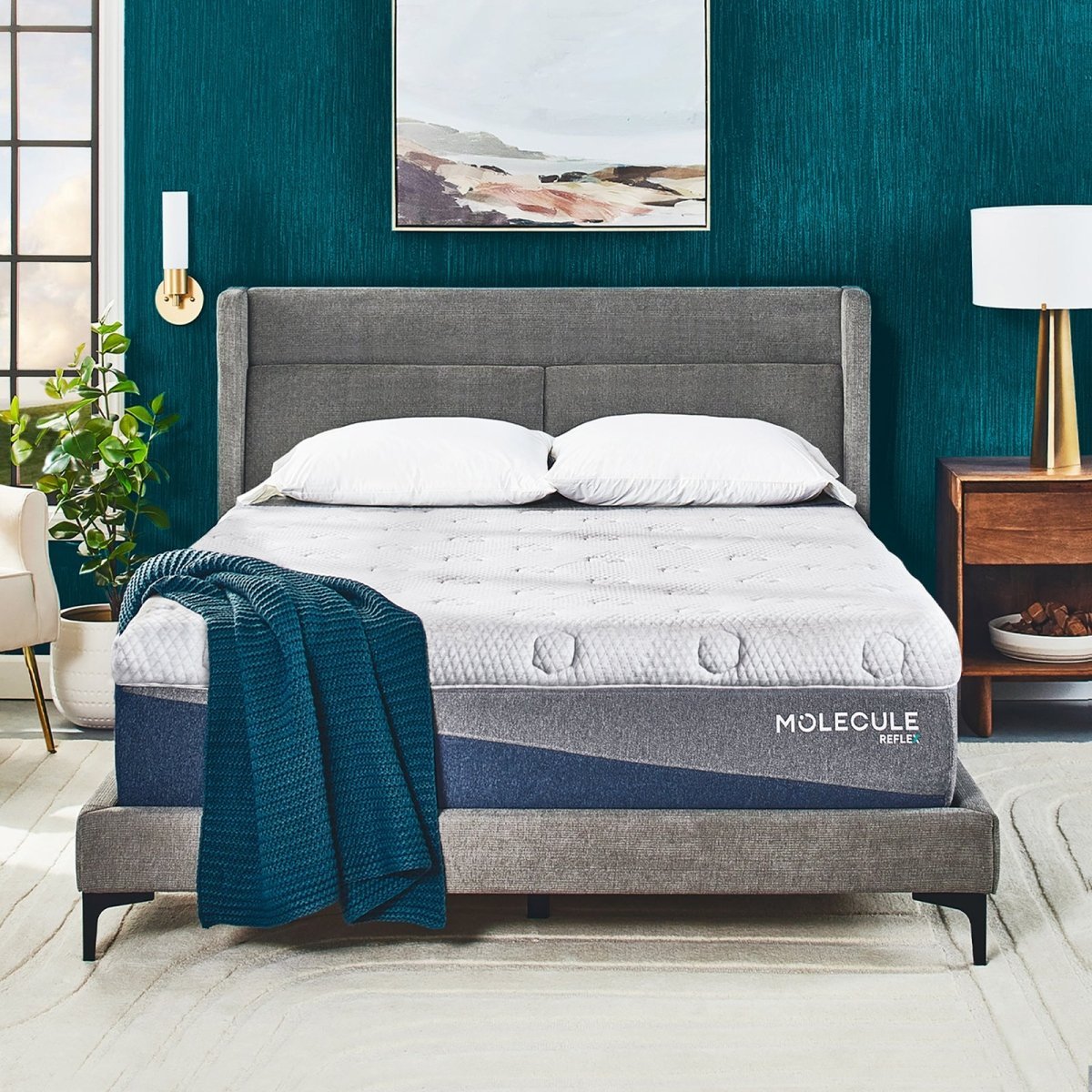
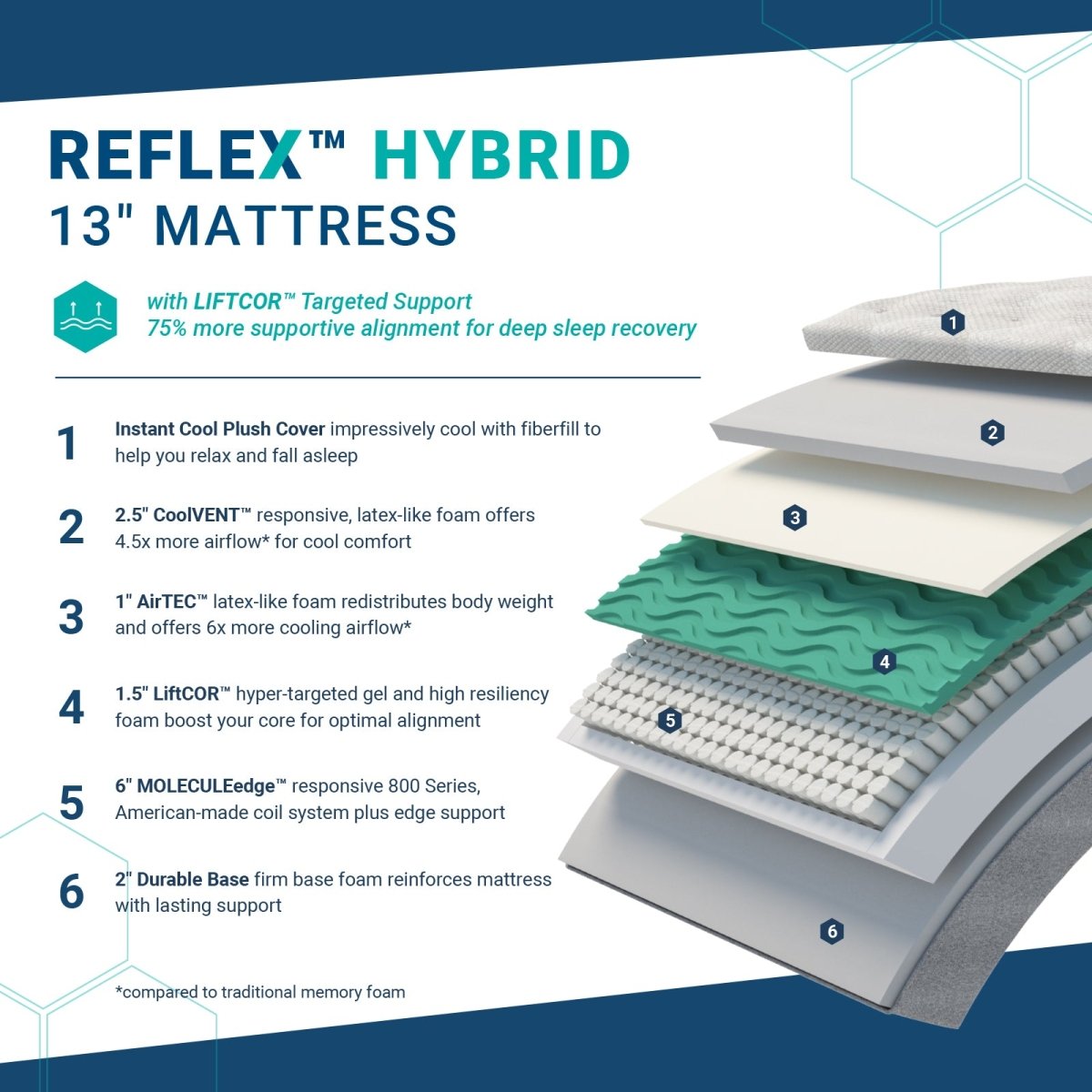
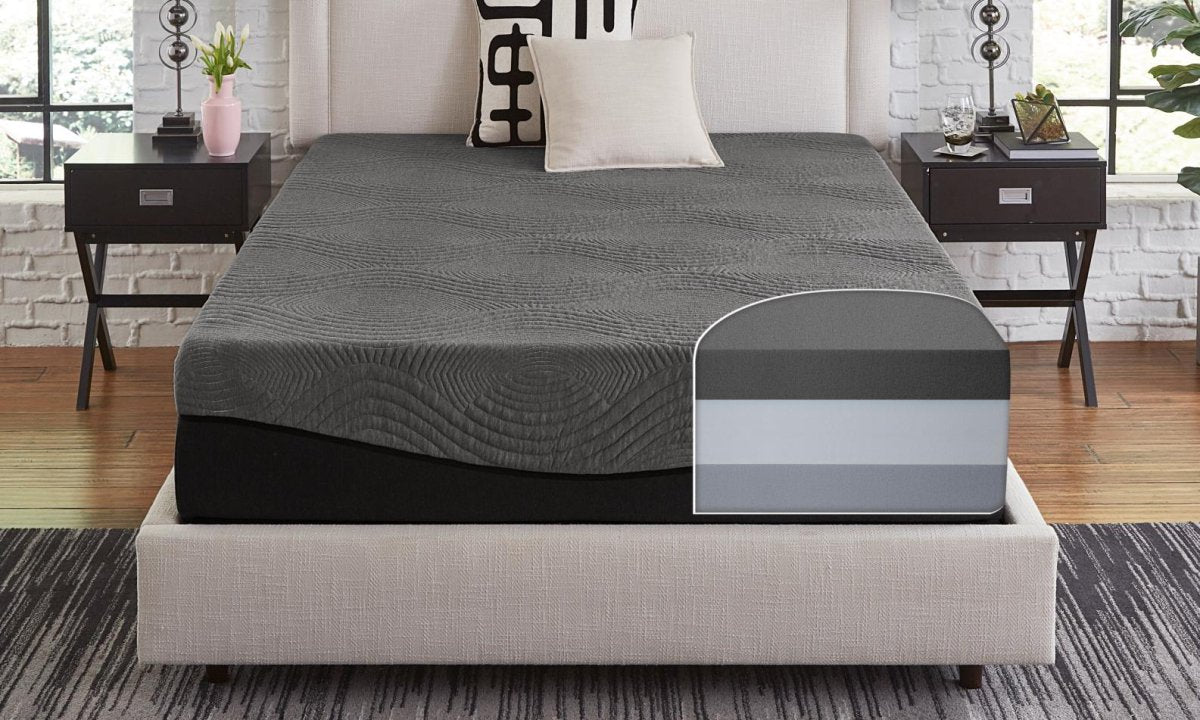
If you sleep hot, sheets are only half the equation — pair breathable cotton with a cooling mattress so the whole bed sheds heat. Our DreamFit Pima cotton cooling sheets layer naturally over a hybrid like the Sandman 14" Cooling Hybrid, and everything ships free. For the bigger picture on bedroom temperature, our guide to luxury bedding ties materials back to better sleep.
Is Egyptian cotton actually better, and what does ELS cotton really mean?
Egyptian cotton refers to extra-long-staple (ELS) cotton — longer fibers that spin into smoother, stronger, more pilling-resistant yarn. It's a premium cotton grade, not a guaranteed luxury or a separate fabric.
Cotton is sorted by staple length — the length of the individual fiber. Short-staple cotton makes ordinary sheets; long-staple and extra-long-staple cotton produce finer, more durable yarn, as explained by Cotton Inc's CottonWorks education resource and the encyclopedic overview at Britannica's cotton fiber entry. Superior Brand describes the practical payoff this way:
"The primary difference lies in the length of the fibers. Egyptian cotton has extra-long staple (ELS) fibers, which are longer and stronger than the short-staple fibers of regular cotton… This results in a smoother, softer, and more durable fabric that resists pilling and tearing over time." — Superior Brand
The caveat most competitor pages skip: "Egyptian cotton" is an origin-and-quality claim, and it isn't always policed. The FTC's truth-in-advertising rules require fiber-content claims to be substantiated, but enforcement is imperfect — so the word alone is a weak guarantee. The smarter move is to look for genuine long-staple or extra-long-staple content and recognized certification, not the label.
When the claim is genuine, the payoff is real: our DreamFit Egyptian cotton cooling sheets use the smoother, more durable ELS yarn this section describes.
How can you tell if sheets are really Egyptian cotton?
Verify Egyptian cotton through recognized certification and clear fiber-content labeling — not the word "Egyptian" alone, which truth-in-advertising rules say must be substantiated but isn't always policed. Use a quick checklist instead of trusting marketing.
- Look for third-party certification. An OEKO-TEX Standard 100 label confirms the textile was tested for harmful substances — a sign the maker submits to outside testing.
- Check for an Egyptian Cotton Association trademark. The industry body licenses a logo for verified Egyptian-grown cotton; its presence is a stronger signal than the bare phrase.
- Read the fiber content closely. "100% Egyptian cotton" differs from "Egyptian cotton rich" or a blend. Blends dilute the ELS benefit.
- Treat thread count as a weak signal. High-quality cotton is defined by staple length, weave, and finish — not thread count alone.
- Know your rights. The FTC requires fiber claims to be truthful and substantiated, so a vague or unlabeled "Egyptian cotton" tag is a reason to ask questions, not to pay more.
Bottom line: certification plus honest fiber-content labeling protects you from overpaying for a marketing term.
But does cotton really sleep cooler than microfiber?
Probably, based on fiber science — but honestly, no high-quality head-to-head clinical sheet studies confirm it. Most cooling claims are reasonable material-science inferences and retailer guidance, not proven sleep outcomes.
Here's the part most articles won't tell you: the strongest peer-reviewed evidence on this topic is indirect. A 2022 cotton-fabric study in PubMed Central found that the linear density of the weft yarn influenced all measured liquid-moisture-transport parameters — meaning a cotton sheet's cooling performance depends heavily on how it's built, not just that it's cotton. Earlier work on cotton terry fabrics similarly found that fabric structure materially shaped moisture absorption. Neither study compared cotton directly against microfiber sheets.
We did not find any high-quality, head-to-head clinical study comparing cotton and microfiber sheets for real-world sleep temperature. The "cotton sleeps cool, microfiber sleeps hot" rule is a sound inference from fiber science and standards bodies — not a proven clinical result.
Why does this matter for your purchase? Because a well-engineered microfiber or a dense, premium cotton sateen can defy the stereotype. Construction can override the broad material rule, so judge the specific sheet — its weave, weight, and finish — not just the fiber name on the package. Being upfront about this is the honest way to guide a buyer, and it's exactly why we map sheets to your sleep style rather than promising a one-size cooling miracle.
How should you choose bed sheets — a buyer's checklist?
Prioritize staple length and weave over thread count, read the care label, check for certifications, and match the material to both your sleep temperature and your mattress. Work through these steps in order.
- Decide your sleep temperature and feel. Run hot? Lean cotton and a cool percale weave. Sleep cold or want a slick, smooth surface? Microfiber or a sateen finish.
- Choose the fiber type. Natural and breathable (cotton) versus synthetic and easy-care (microfiber) — start from how you sleep, not from price.
- Judge cotton by staple length and weave, not thread count. Long-staple or ELS cotton with a percale or sateen weave beats a high thread-count number on short-staple fiber.
- Confirm certifications. OEKO-TEX Standard 100 and clear fiber-content labels separate substantiated claims from marketing.
- Check the care label. Microfiber forgives rough laundering; cotton may wrinkle, shrink, or fade, so confirm you're willing to follow its care.
- Coordinate sheets with your mattress. Temperature is a whole-system trait — cool sheets over a heat-trapping mattress only get you halfway.
That last step is the one buyers skip most. If cooling is your priority, our overview of breathable, eco-friendly mattress materials and a protector like the DreamFit Comfort mattress protector keep the whole sleep surface working together — protecting your new sheets and mattress without smothering airflow.
Which sheets are NOT right for you?
Skip microfiber if you sleep hot or want natural fibers; skip premium Egyptian cotton if you want low upfront cost or fuss-free care; skip basic cotton if you can't stand wrinkles. Every material has an honest downside.
- Don't buy microfiber if you sleep hot, want a natural-fiber feel, or dislike a slightly slick surface — its dense synthetic weave tends to hold warmth, exactly the opposite of what a hot sleeper needs.
- Don't buy premium Egyptian cotton if you want the lowest upfront cost or hate fussy care — you're paying for ELS fiber quality, and you still face the verification headache of confirming the claim is genuine.
- Don't buy basic cotton if wrinkle-free, fade-proof, no-iron bedding is your priority — cotton can wrinkle and may shrink or fade with repeated washing depending on finish.
As Superior Brand notes, the ELS advantage is real but it's a fiber-quality difference — not a reason every sleeper should pay the premium. Match the trade-off to your priorities.
Which sheets should YOU buy based on how you sleep?
Hot sleepers and eco-conscious buyers: breathable cotton or genuine ELS cotton. Cold sleepers, families, and guest rooms: easy-care microfiber. Long-term value seekers: well-made long-staple cotton. Here's the segmented verdict.
- Hot sleeper: percale-weave cotton or genuine Egyptian/ELS cotton, ideally over a cooling mattress — the breathable fiber and open weave move heat away.
- Cold sleeper: microfiber or brushed cotton, which hold warmth near the skin.
- Family or guest room: microfiber, for stain, wrinkle, and fade resistance with minimal upkeep.
- Eco-conscious buyer: certified natural cotton, ideally with an OEKO-TEX Standard 100 label.
- Long-term value seeker: well-made long-staple cotton, which retailer estimates put at the longer end of the durability range.
The right sheet depends on you — which is exactly why it helps to compare materials together. Our curated bedding collection lets you weigh the Egyptian cotton cooling sheets, long-staple cotton, and microfiber in one place, all with free shipping. Prefer a hands-on recommendation? Schedule a personalized in-store appointment or text or call our sleep team, and we'll match your sheets and mattress to how you actually sleep.
Frequently asked questions about cotton vs microfiber sheets: which is better?
How can I tell if sheets are really Egyptian cotton?
Look for clear "100% Egyptian cotton" fiber-content labeling, a recognized certification such as OEKO-TEX Standard 100, or an Egyptian Cotton Association trademark — not the word alone. The FTC requires fiber claims to be substantiated, but enforcement is imperfect, so certification and honest labeling are your best verification, while thread count is a weak signal.
Are microfiber sheets better for hot sleepers?
Usually not. The Sleep Foundation notes microfiber traps heat more easily than cotton, while cotton is more breathable and won't trap heat as readily. Most hot sleepers do better with a breathable cotton sheet in a cool percale weave. That said, no head-to-head clinical sheet study confirms it, so weave and construction still matter.
Which type of sheets is easiest to wash and maintain?
Microfiber is typically the easiest to care for, since it resists wrinkles, pilling, and fading better than many cotton sheets. Cotton can wrinkle and may shrink or fade with repeated washing depending on fiber quality and finish. For families, guest rooms, or anyone who avoids ironing, microfiber is the low-maintenance pick.
Which sheets are best for families on a budget?
Microfiber is usually the lower upfront-cost option and the most forgiving in high-use rooms, making it a practical default for families and guest rooms. If breathability and a natural-fiber feel matter more, a well-made long-staple cotton sheet offers better airflow and can deliver strong long-term value despite the higher starting price.
Do microfiber sheets actually feel softer than cotton?
Microfiber feels smooth and slightly slick straight out of the package because its fibers are finer than one denier. Many people find it soft, but high-quality long-staple or Egyptian cotton can feel smoother and more luxurious over time. Softness is personal, so it's worth feeling both before deciding.
How do I get both comfort and long-term value?
Choose well-made long-staple cotton: it pairs cotton's breathability with longer, stronger fibers that resist pilling, and retailer estimates put long-staple cotton at the longer end of the durability range. Verify the fiber claim, match the weave to your sleep temperature, and coordinate the sheets with a breathable mattress for whole-system comfort.
Your next step toward better sleep
The honest verdict: there's no universally "best" sheet — only the best match for how you sleep, qualified by the labeling and weave details most pages ignore. Hot sleeper? Breathable cotton over a cooling mattress. Cold sleeper or busy family? Easy-care microfiber. Want the smoothest, longest-lasting cotton? Verified long-staple or Egyptian cotton.
Ready to feel the difference for yourself? Browse our curated bedding collection to compare DreamFit microfiber, long-staple cotton, and Egyptian cotton sheets side by side — with free shipping on every order. Prefer a hands-on recommendation? Schedule a personalized in-store appointment or text or call our sleep team, and we'll match your sheets and mattress to how you actually sleep. Every purchase also helps us donate a bed to a neighbor in need, and 0% financing from $29/mo makes upgrading your whole sleep system easy.


Leave a comment
All comments are moderated before being published.
This site is protected by hCaptcha and the hCaptcha Privacy Policy and Terms of Service apply.