
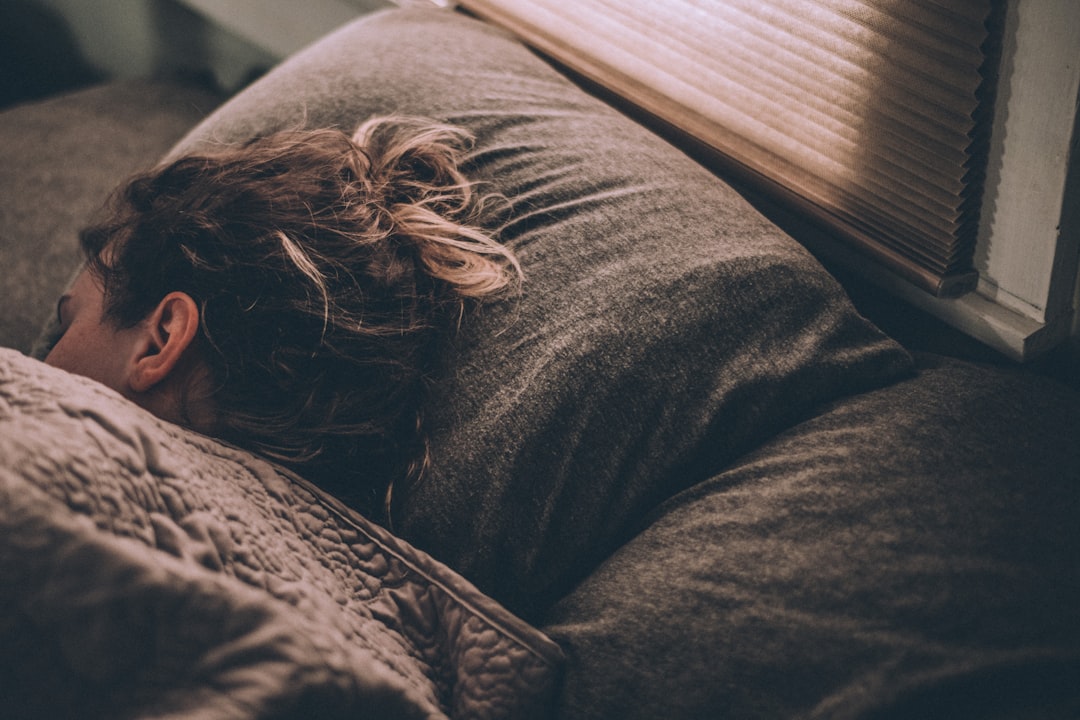
Most mattress night sweats come from heat and moisture trapped at the body-mattress interface — and with memory foam, that trapping is the material's mechanism, not a defect. The foam softens by drawing your body heat, then holds it inside a dense, low-airflow structure. A 2018 polysomnography trial found a high heat-capacity (cooler) mattress reduced surface warming by up to 6.12°C and increased slow-wave sleep by 16% (PMID 29247670). Here's how to find your culprit before you spend a dime.
Key takeaways
- Heat retention is how memory foam works — it softens by absorbing your warmth, then traps it in a dense, low-airflow structure.
- Five suspects stack: the mattress, a waterproof protector, synthetic sheets, a warm room, and your own body.
- Gels and cooling covers are temporary — they warm to body temperature within about 20–30 minutes, per industry testing.
- The lasting fix is structural: a breathable hybrid or latex build, plus high-vapor-permeability bedding like Egyptian cotton.
- See a doctor if you wake up drenched most nights — persistent night sweats can be medical, not material.
Why does my mattress make me sweat at night?
Your mattress makes you sweat by trapping heat and limiting moisture evaporation right where your body meets the surface — and with memory foam, that trapping is built into the material. Viscoelastic foam softens by drawing warmth from you, then holds it inside a dense, closed-cell structure that blocks airflow.
As John Ryan By Design puts it, "heat retention is the mechanism by which memory foam functions, not a side effect" — the foam draws warmth from the sleeper, holds it within the dense cellular structure, and reflects it back. On top of that, a waterproof protector, synthetic sheets, a warm bedroom, and your own metabolism can each add to the heat at the surface.
That's why a single "cooling" gadget rarely solves it: the heat usually has more than one source. The good news is each source is testable, and several fix easily. If your current bed traps heat by design, it helps to compare airflow-first constructions like breathable cooling hybrid builds against what you're sleeping on now.
Is heat retention a design flaw in memory foam, or how it's supposed to work?
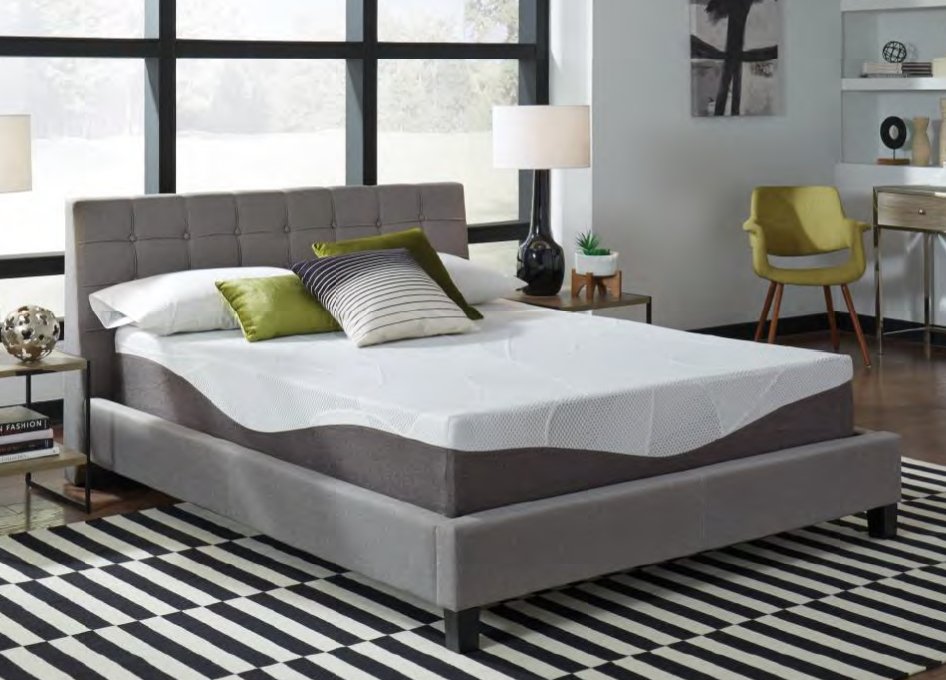
It's how it works. Memory foam softens in response to body heat, so drawing and holding your warmth is the very mechanism that gives it that contouring, "molding" feel. You can't engineer that away without changing the material.
Two things make traditional memory foam sleep warm:
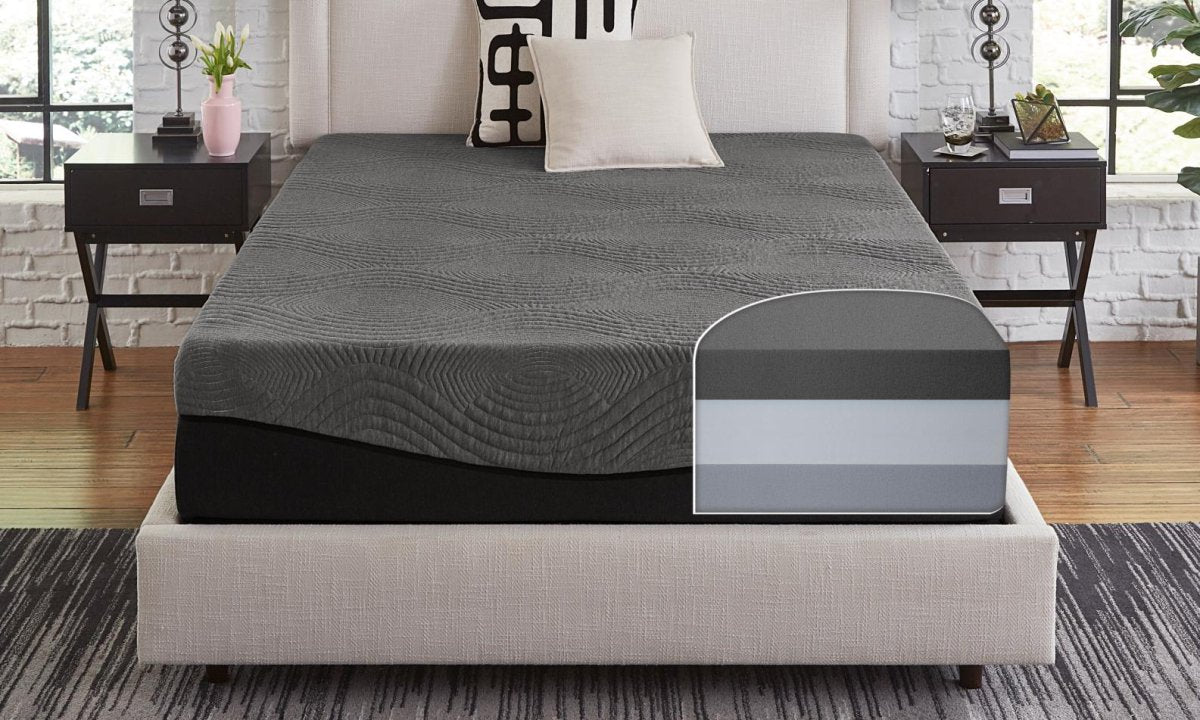
- A dense, closed-cell structure that limits air circulation, trapping heat and moisture between your body and the surface.
- Close molding — the foam wraps around you, leaving less open space for air to move.
According to the QuickZip Health Blog, "Memory foam mattresses are notorious for making you sweat... Because they are so dense, their capacity for air circulation is limited, trapping your body heat. They also, by design, mold closely to your body — as a result, there is less space between you and your mattress for air flow." John Ryan By Design also notes that roughly 200ml of moisture is released during sleep, which then sits between you and the foam — a clammy sensation many sleepers mistake for room heat.
Bottom line: with a heat-trapping foam build, you have two honest paths — treat the symptoms night after night, or change the build. If you've concluded your foam bed is the bottleneck, it's worth browsing breathable hybrid mattresses where coils create open airflow channels foam can't.
Is it really the mattress, or something else? A quick self-diagnosis
Run through five suspects in order — the mattress, the protector, the sheets, the room, and your body — because heat at the surface usually has more than one source. Each has a fast test you can do tonight.
- The mattress. Press your palm into the surface for 30 seconds and lift it — does it feel warm and damp where your hand was? Dense foam with little airflow is the most common structural cause of trapped heat.
- The protector. If you use a waterproof protector, strip it off for two nights. If the clamminess eases, the protector — not the mattress — was sealing in heat and moisture. See the section below.
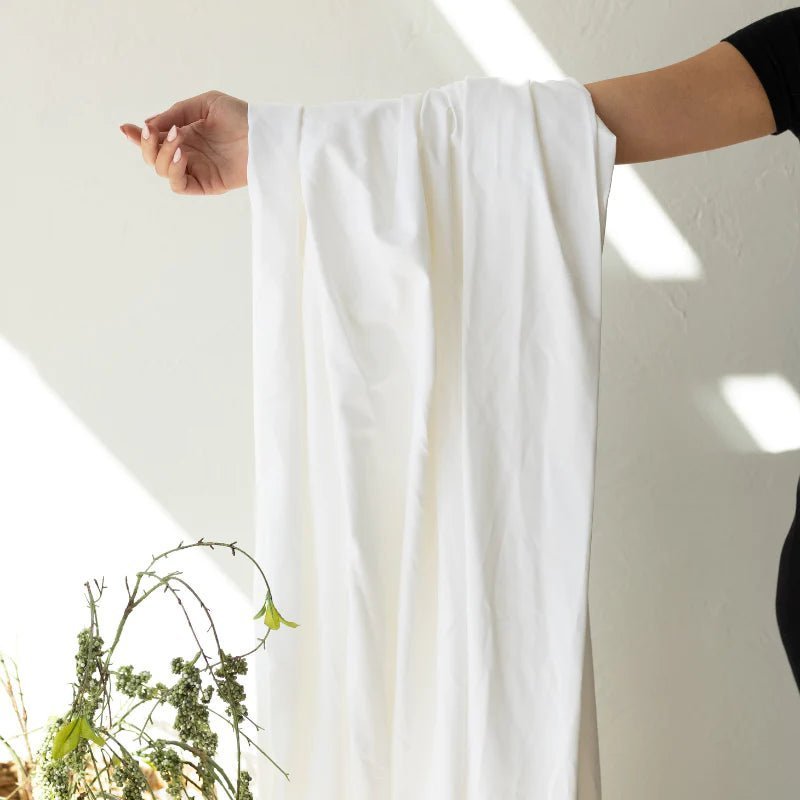
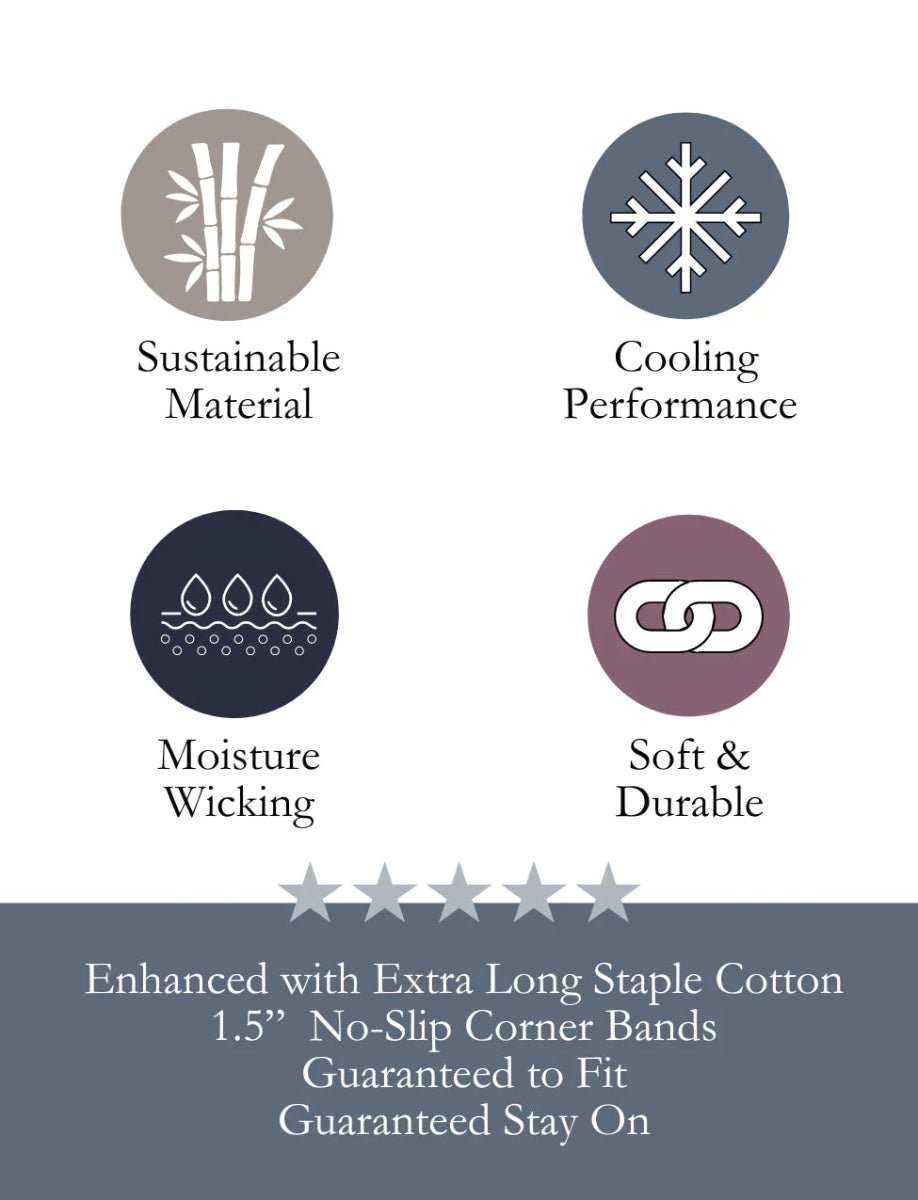
- The sheets. Synthetic sheets trap heat and dampness; natural fibers move moisture away. Swap to a natural-fiber set like a cooling Egyptian cotton sheet set for a week and compare.
- The room. A warm bedroom multiplies everything below it. A 2024 systematic review of ambient heat and sleep found 29 of 36 studies (81%) linked higher temperatures to poorer sleep (ScienceDirect, 2024). The Sleep Foundation notes bedroom temperature and bedding choices both shift how warm you sleep.
- Your body. Hormones, medications, and some health conditions cause genuine night sweats regardless of your bed. The Sleep Foundation's guide to night sweats outlines common medical causes.
Be honest about the evidence: direct, peer-reviewed proof isolating mattresses as a standalone cause of sweating is limited — the strong data is about thermal comfort and the bed microclimate. If you regularly wake up drenched, that's a reason to talk to a doctor, not just shop for sheets.

Can a mattress protector make me sweat more?
Yes — waterproof protectors are a frequent hidden culprit, because the same plastic-backed layer that blocks spills also blocks heat and moisture from escaping. Many people blame the mattress when the protector is the real offender.
The difference comes down to the barrier. A fully waterproof membrane seals liquid out, but it also seals your body heat and the moisture you release in — so it builds a warm, damp pocket against you. A breathable, high-vapor-permeability protector still guards the mattress while letting heat and water vapor pass through.
The two-night test: pull your protector off for a couple of nights. If the clamminess noticeably eases, you found your problem. The fix isn't going unprotected — it's switching to a protector engineered to wick rather than seal, like a breathable cooling mattress protector over the spill-proof versions in the DreamFit Comfort protector line.
What does the research actually say about mattresses and sleeping hot?
Peer-reviewed evidence is strongest on thermal comfort and the bed microclimate — not "sweating" as a standalone endpoint — but it consistently shows cooler surfaces sleep better. Here's what the best studies found.
In a 2018 polysomnography trial, a high heat-capacity (cooler) mattress reduced mattress-surface warming by up to 6.12°C, lowered proximal back skin temperature by up to 0.98°C and core body temperature by up to 0.28°C, and increased slow-wave sleep by 16% (PMID 29247670).
A 2020 experimental study comparing mattress designs in hot weather identified comfortable temperature ranges for the human-mattress interface and bed microclimate of 32.3–33.8°C and 32.8–33.6°C (Science and Technology for the Built Environment, 2020). Push the surface past that band and comfort drops fast — which is exactly what a heat-trapping foam build does.
At the room level, the 2024 systematic review of ambient heat and sleep found 29 of 36 studies (81%) linked higher temperatures to poorer sleep (ScienceDirect, 2024).
The honest caveat: these studies measure heat, skin temperature, and comfort — not clinical sweating. Mechanism and microclimate evidence is solid; direct "this mattress causes night sweats" proof is limited. That's the distinction many cooling-gel pitches gloss over.
Temporary fix or real solution? How cooling approaches compare
Gels, fans, and cooling covers buy you a short window before they warm to body temperature; a breathable build or natural-fiber bedding is the structural fix that holds up all night. According to industry testing cited by John Ryan By Design, cooling gel layers stop adding any benefit after about 20–30 minutes of contact.
| Approach | How it works | Lasting effect | Relative cost | Best for |
|---|---|---|---|---|
| Cooling gel layer | Absorbs heat at the surface | Temporary (~20–30 min) | Built into mattress price | Brief relief at sleep onset, not all night |
| Mattress topper | Adds a cooler-feel layer over foam | Temporary | Low | Tweaking feel without replacing the bed |
| Fan / airflow | Moves warm air off the surface | Temporary (works while running) | Low | Warm rooms and light sleepers |
| Cooling Egyptian cotton sheets | Natural fiber wicks moisture away | Structural (every night) | Low–moderate | The fastest, lowest-cost upgrade |
| Breathable hybrid build | Coil layer creates open airflow channels | Structural | Higher | Hot sleepers who want a true fix |
| Latex | Open, springy cell structure breathes better than foam | Structural | Higher | Contour lovers who sleep hot on memory foam |
| Natural fiber (wool/cotton ticking) | High vapor permeability moves sweat away | Structural | Varies | Clammy sleepers who run damp, not just hot |
If you want the lowest-cost first move, start with bedding: a cooling Egyptian cotton sheet set and a cooling Chill Pillow address the surface microclimate without replacing your bed. If the build itself is the bottleneck, the NatureFlex hybrid and other airflow-first hybrids are the structural answer. You can shop online with free shipping, or ask about 0% APR financing from $29/month so cost isn't a barrier.
Which mattress materials actually sleep cooler?
Hybrid (coil airflow) and latex breathe far better than memory foam, while natural-fiber ticking like wool moves moisture away — gel-infused foam only delays heat, it doesn't release it. Here's how each material handles heat.
Memory foam — why it sleeps hot
Traditional memory foam traps heat by design: its dense, closed-cell structure limits airflow and it molds closely, leaving little room for air to move. As Woolroom describes it, the material "absorbs your body heat, and then reflects it back at you, meaning you will gradually heat up... throughout the night." Manufacturers market "open-cell" foam as cooler, but independent evidence confirming it dissipates heat as well as breathable builds is limited — treat that claim with caution.
Gel-infused foam — temporary only
Gel infusions pull heat away at first, then warm to body temperature and stop helping — roughly the 20–30-minute window noted above. It delays heat; it doesn't release it from the bed.
Latex — more breathable
Latex has an open, springy cell structure that circulates air better than dense memory foam while still contouring — a strong middle path for people who love a molded feel but wake up hot.
Hybrid — coil airflow (recommended for hot sleepers)
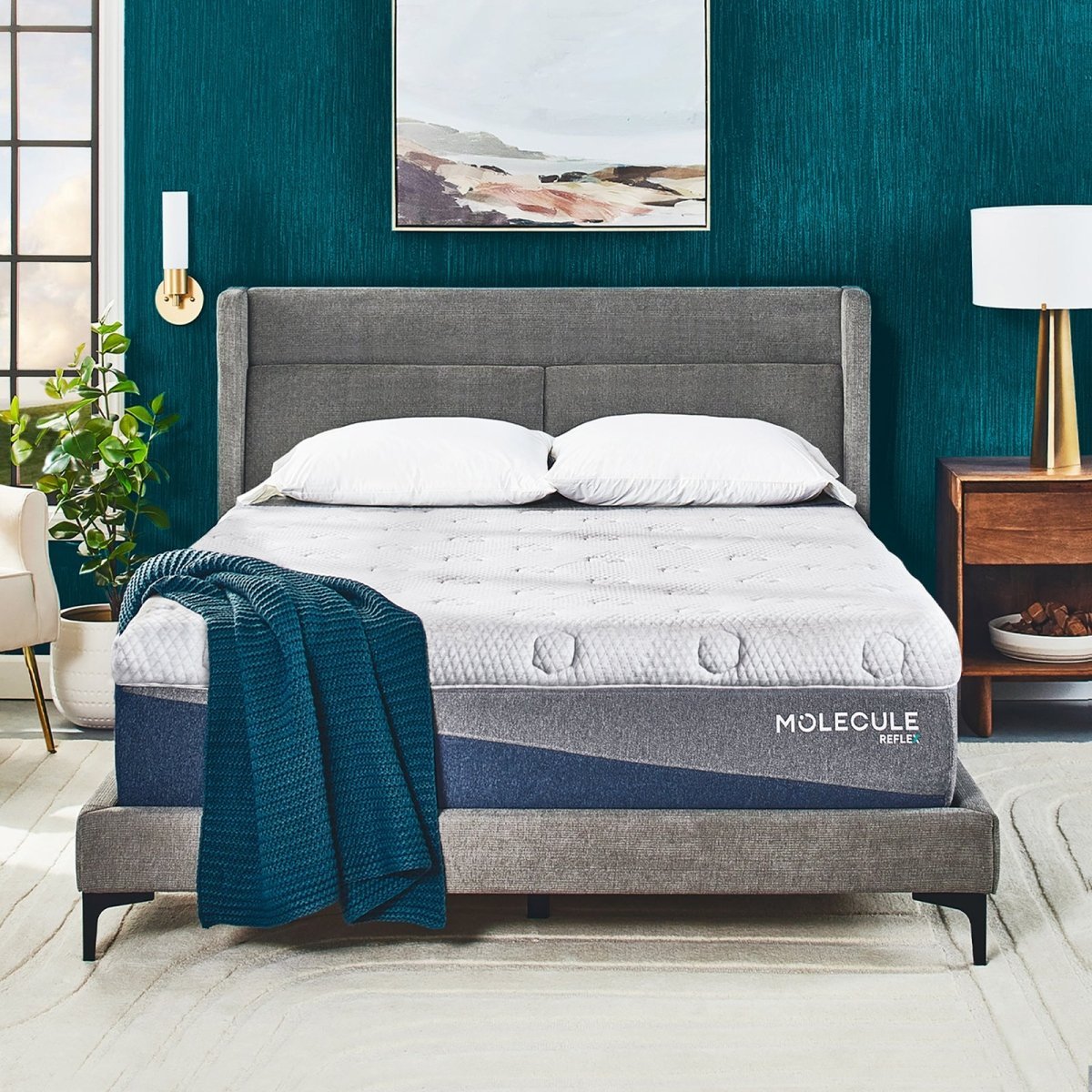
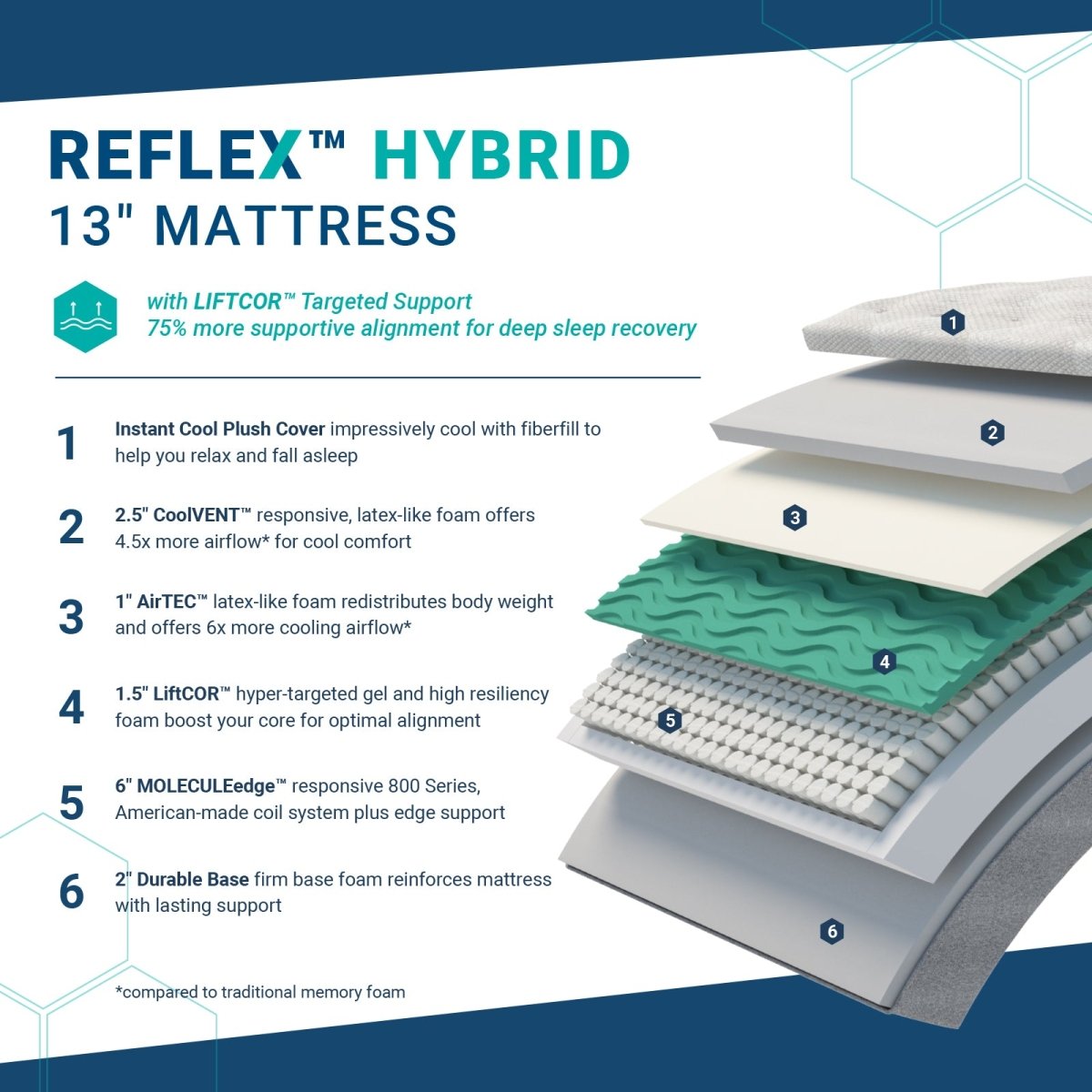
A hybrid pairs a comfort layer over a coil unit, and those coils create open channels that let heat escape instead of pooling. That airflow is why hybrids are our go-to recommendation for hot sleepers, and you can see the full shortlist in our cooling hybrid lineup alongside our deeper bedding guidance in our luxury bedding guide.
Natural fibers and wool ticking — vapor permeability
The fabric covering your mattress matters more than most buyers realize. A 2023 study of quilted mattress ticking fabrics found lyocell rated cooler and better for summer, while polypropylene rated warmer (International Journal of Clothing Science and Technology, 2023). A 2024 systematic review adds that wool has higher water-vapor permeability than cotton and polyester, helping sweat evaporate and keep skin dry (PMC11596996, 2024).
What is the best bedding for hot sleepers?
Choose high-vapor-permeability layers: natural-fiber sheets like Egyptian cotton, a breathable cooling pillow, and a protector that wicks rather than seals heat in. Bedding choice genuinely shifts the microclimate — it's the cheapest, fastest move before replacing a bed.
A 2025 manikin study found bedding thermal insulation ranged from 1.06 to 5.71 clo depending on posture, coverage, and materials, and that bedding adjustments can reduce sweating risk at a given room temperature (Medical Xpress, 2025). That's a wide range — your sheets and cover can quietly add or subtract a sauna's worth of insulation.
How the common fibers compare for hot sleepers:
- Wool: highest vapor permeability of the three; best for clammy, damp sleepers.
- Cotton (Egyptian/Pima): breathable, wicks moisture, soft — the easy everyday upgrade. Try cooling Egyptian cotton sheets or Pima cotton cooling sheets.
- Polyester/microfiber: traps heat and moisture; the worst pick if you sweat.
Pair natural-fiber sheets with a cooling Chill Pillow and a breathable cooling protector, and you've rebuilt the whole surface microclimate for far less than a new mattress.
Should I replace my mattress or just upgrade my bedding?
If cooler sheets, a breathable protector, and a cooler room fix it, start there; if your foam bed still traps heat by design, a breathable hybrid or latex build is the real fix. Work from cheapest to most structural.
Try first (low cost, fast):
- Swap synthetic sheets for natural-fiber cooling sheets.
- Replace a waterproof protector with a breathable one.
- Lower the room temperature and add airflow.
Replace the build when: you've done all the above and still wake up hot, or your foam shows lasting body impressions. Viscoelastic foam compresses under heat and pressure and slowly reforms, which leads to permanent impressions over time — a sign the material itself is the limit.
Who should keep memory foam? If you sleep cold, love a deep-contour hug, and don't wake up damp, traditional foam may still suit you perfectly — heat retention is a feature for you, not a fault. Skip foam if you run hot, sleep damp, or share a bed with a warmer partner; a breathable hybrid build will serve you better. Free shipping and 0% APR financing from $29/month make the upgrade easier to plan, and our mattress sizing guide helps you lock in the right fit.
Frequently asked questions about mattresses and night sweats
Why does my memory foam mattress make me sweat at night?
Because heat retention is how memory foam works, not a defect. It softens by drawing your body heat, then holds that warmth inside a dense, closed-cell structure that limits airflow. Roughly 200ml of moisture you release overnight then sits between you and the surface, creating that clammy feel.
Do cooling gel mattresses actually stop night sweats?
Only briefly. According to industry testing, cooling gel layers reach body temperature and stop adding benefit after about 20–30 minutes of contact. They delay heat at sleep onset but don't release it from the bed, so they rarely solve all-night sweating on their own — a breathable build is the lasting fix.
Can a fan fix a hot memory foam mattress?
A fan helps while it runs by moving warm air off the surface, but it doesn't change the foam's heat-trapping structure. It's a useful temporary aid, especially in a warm room, but not a structural solution. If you want lasting relief, pair airflow with breathable bedding or a more breathable mattress build.
Is wool bedding better than cotton for night sweats?
For moisture, yes. A 2024 systematic review found wool has higher water-vapor permeability than cotton and polyester, helping sweat evaporate and keep skin dry. Cotton still breathes well and wicks moisture, making it an excellent everyday choice — but wool generally moves dampness away most effectively for clammy sleepers.
Why do I wake up sweaty but my partner doesn't?
People differ in metabolism, hormones, and how much heat they generate, so the same mattress can feel cool to one sleeper and hot to another. Coverage differs too — one 2025 infrared study found women had about 8.9% higher bedding coverage than men. Persistent, drenching sweats can also be medical; see a doctor if they continue.
What mattress materials are best if I sweat at night?
Breathable builds beat dense foam. Hybrids use a coil layer that creates open airflow channels, and latex has an open cell structure that circulates air while still contouring. Natural-fiber ticking like wool moves moisture away. Memory foam and gel-infused foam tend to trap or merely delay heat by comparison.
Your cooler-sleep next step
Diagnose first, then act: rule out the protector, sheets, and room, and if your foam bed still traps heat by design, that's when a breathable hybrid or latex build becomes the real fix. The fastest, lowest-cost move is upgrading to natural-fiber cooling sheets and a breathable protector tonight.
Not sure which build fits you? Find your firmness in our quick quiz to match yourself to a cooler-sleeping bed, or schedule a personalized in-store appointment in Huntsville to feel the difference between heat-trapping foam and breathable hybrids in person. You can also shop online with free shipping and ask our sleep team about 0% APR financing from $29/month.
And when you buy with us, you help a neighbor sleep too — our mission-driven, buy-one-donate-one model donates a mattress to a local family with every purchase. That's a good reason to buy local, and a better night's sleep on the way.

Leave a comment
All comments are moderated before being published.
This site is protected by hCaptcha and the hCaptcha Privacy Policy and Terms of Service apply.